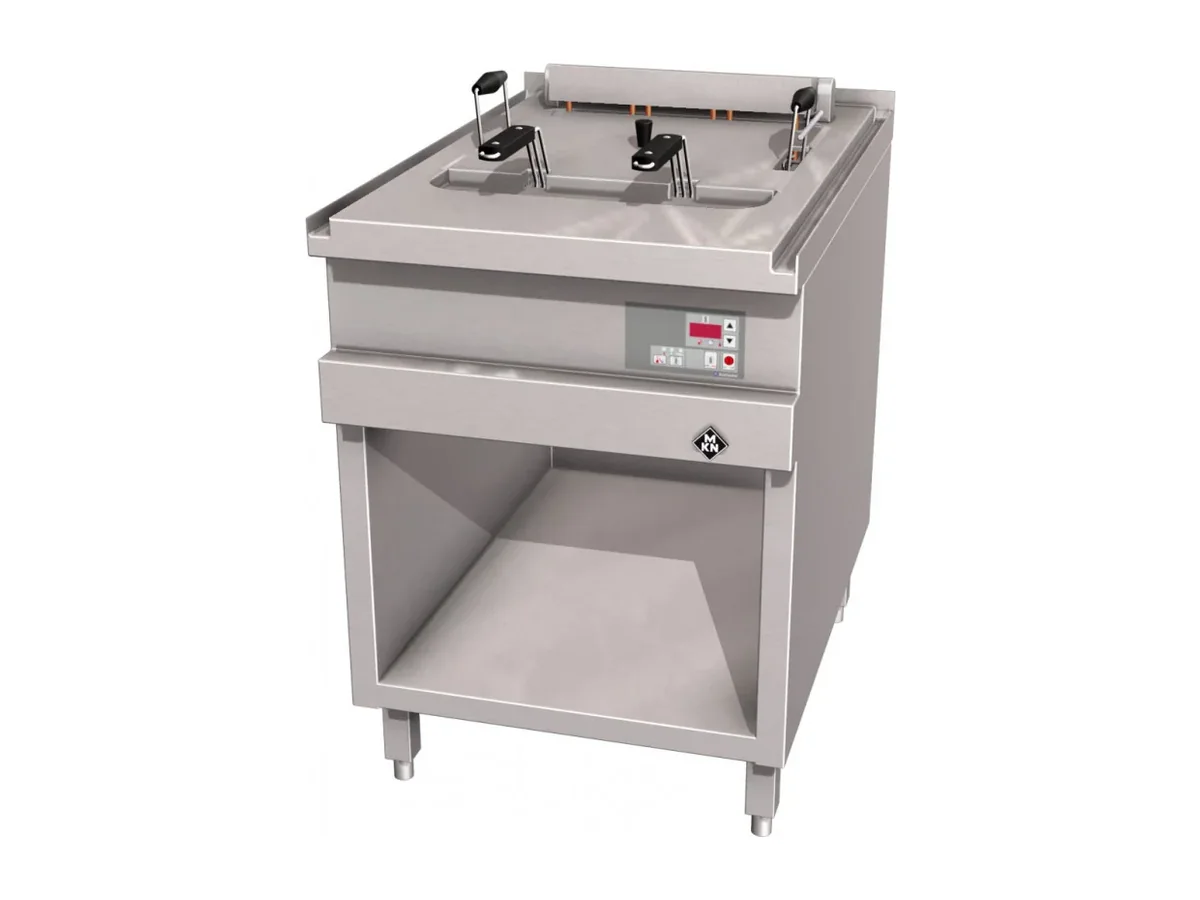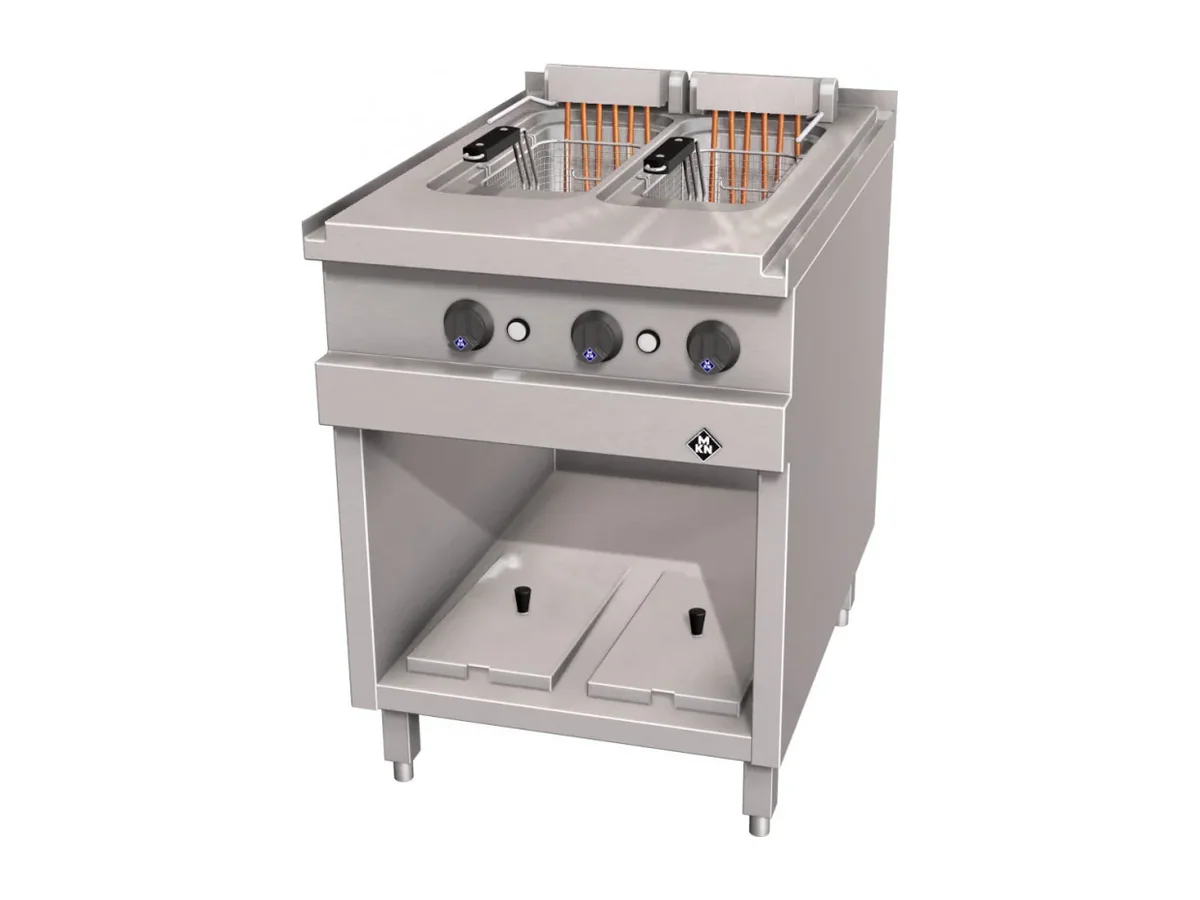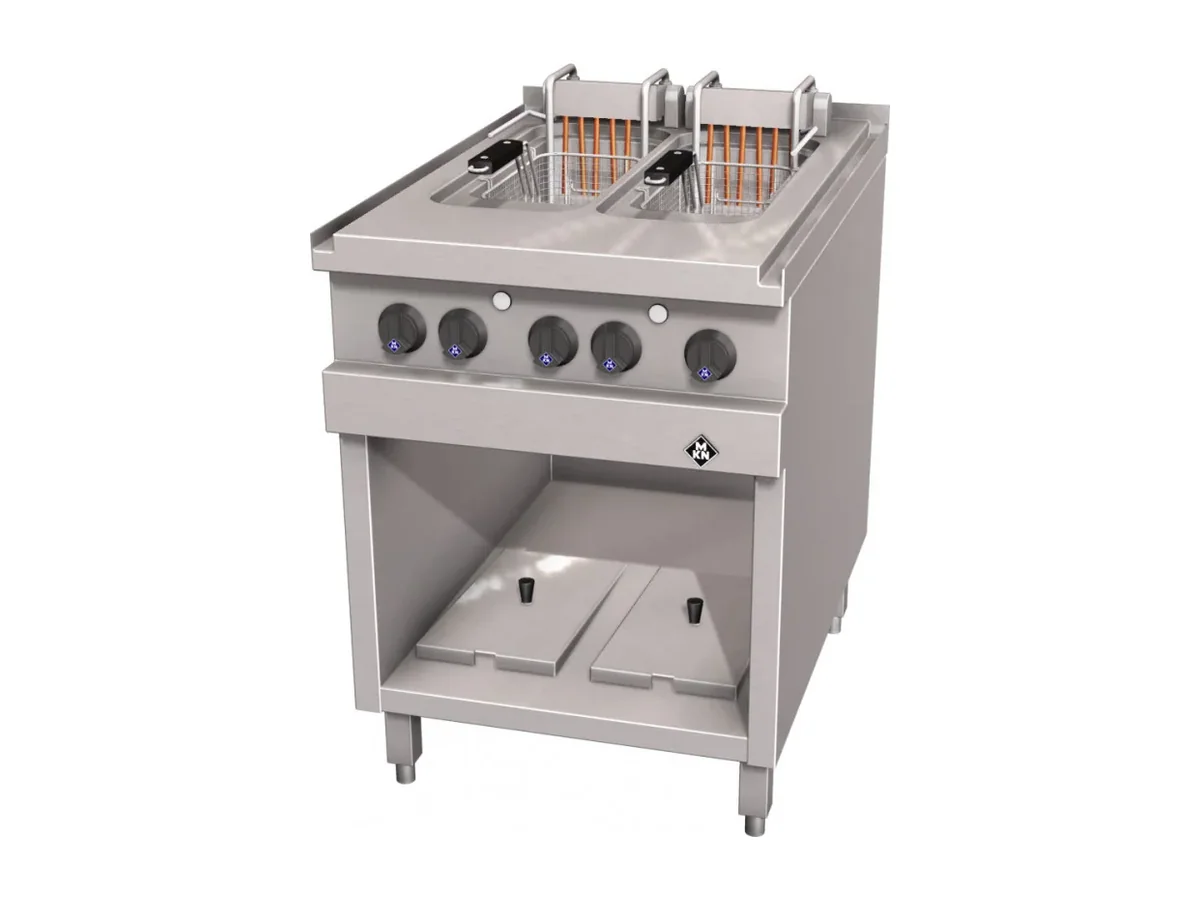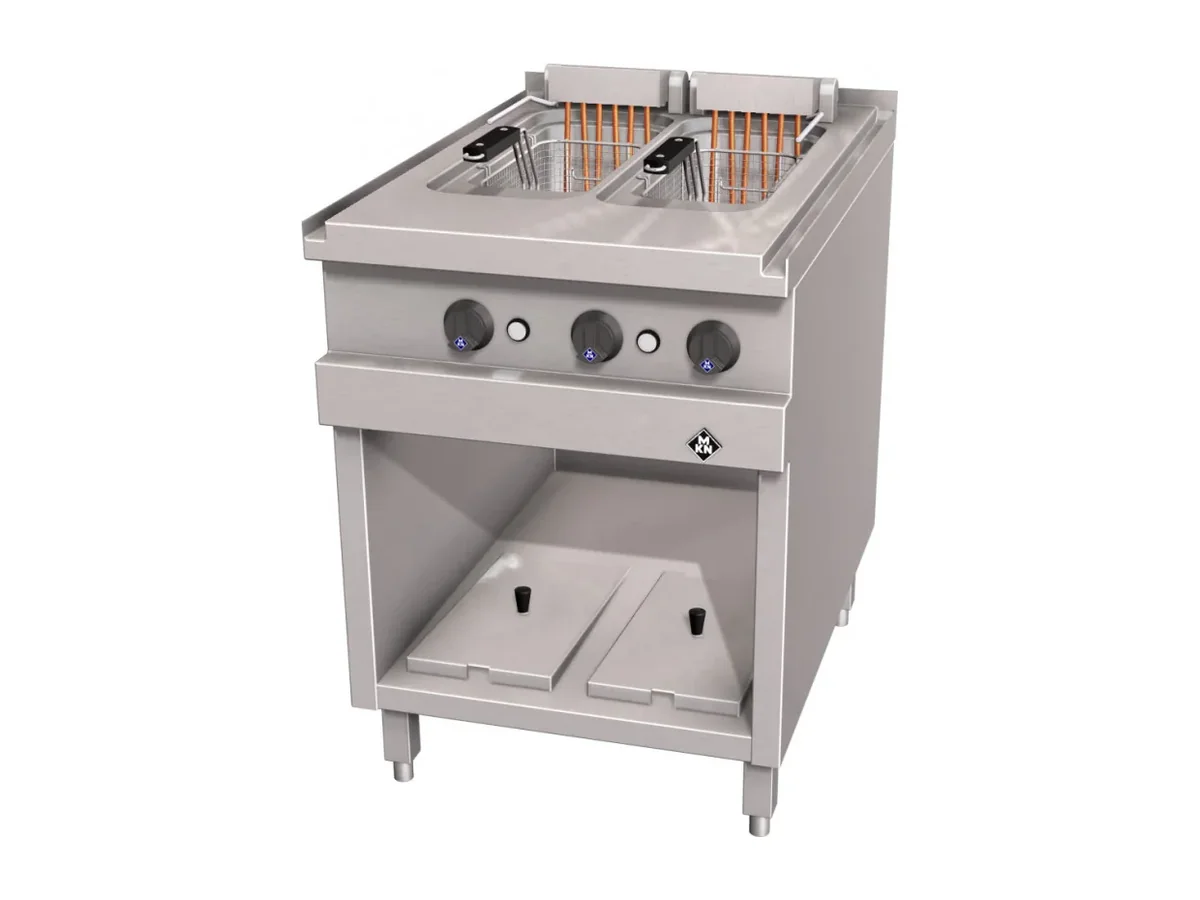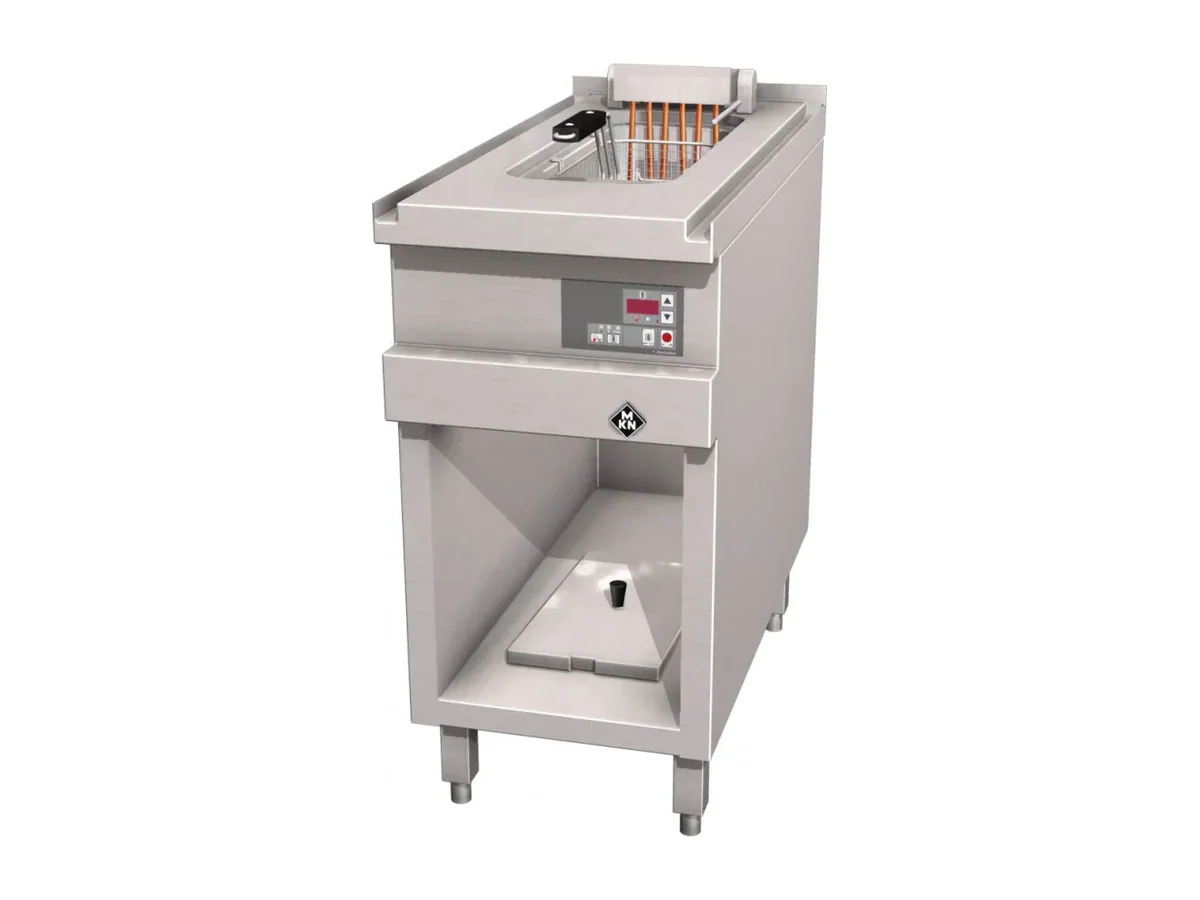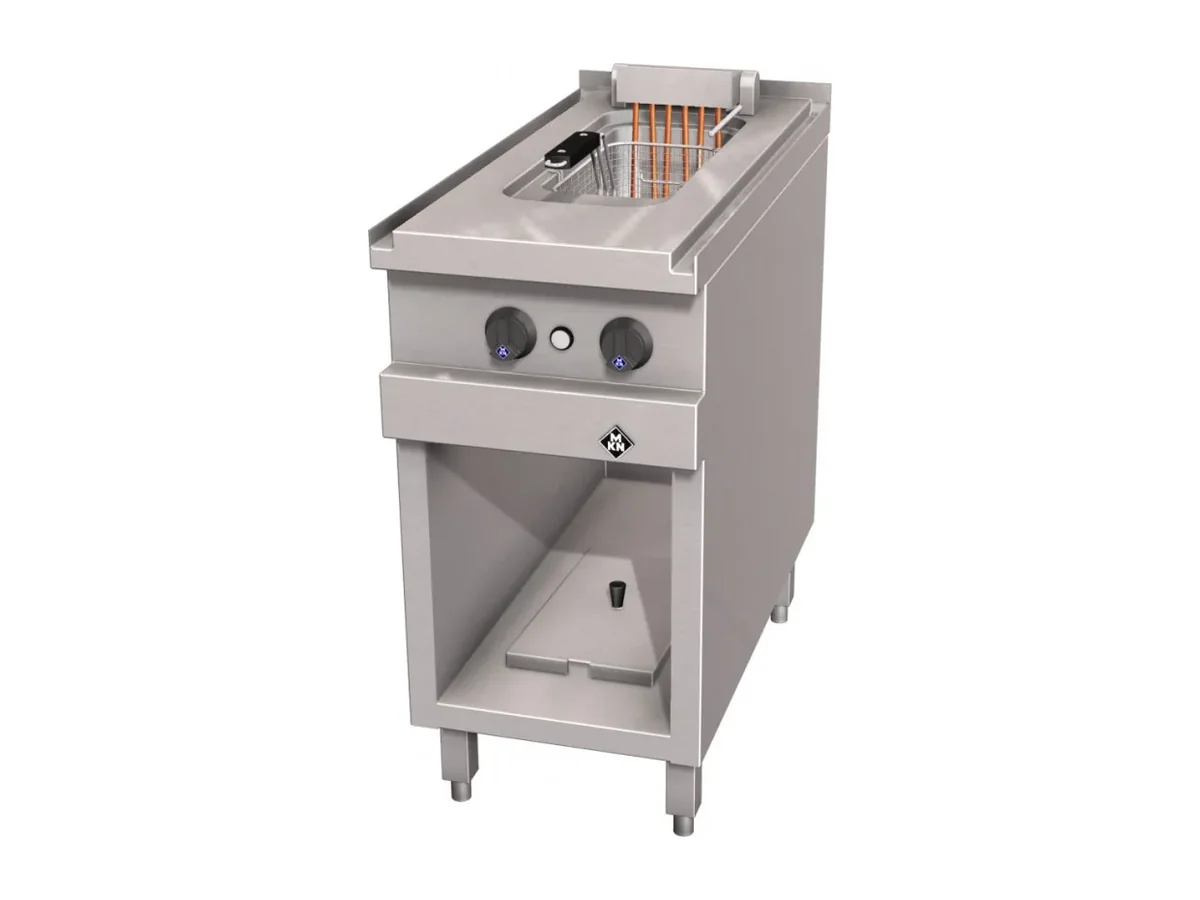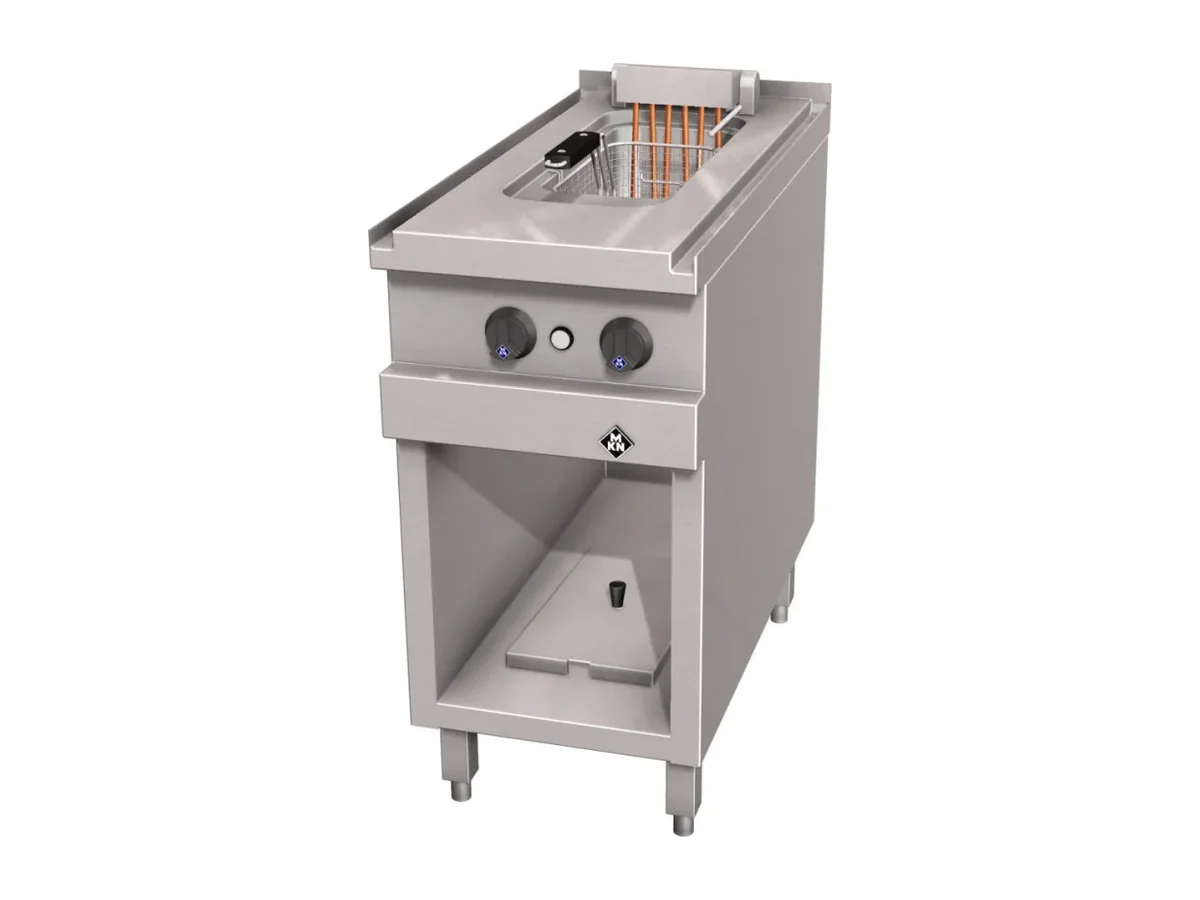
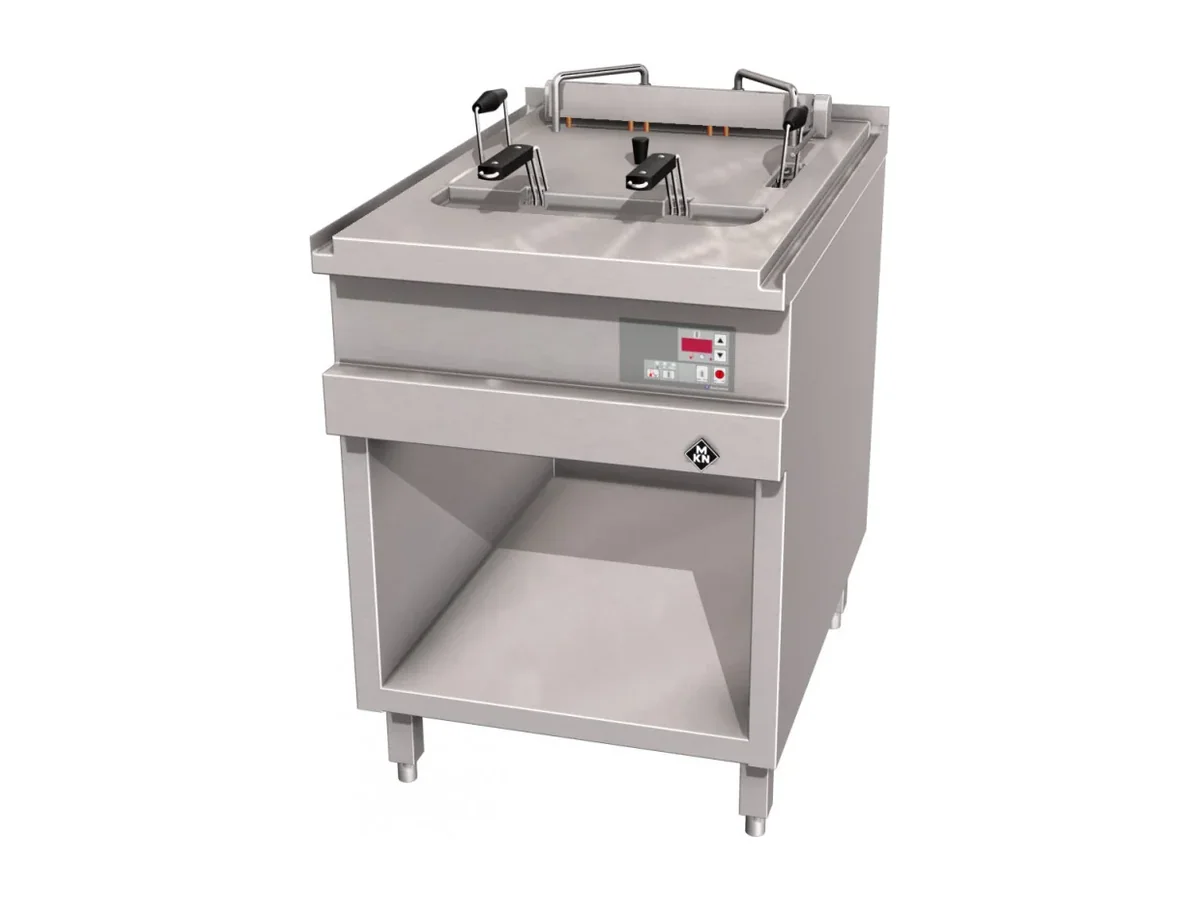
MKN Deep Fat Fryer 2020329C – Electric, Optima 850
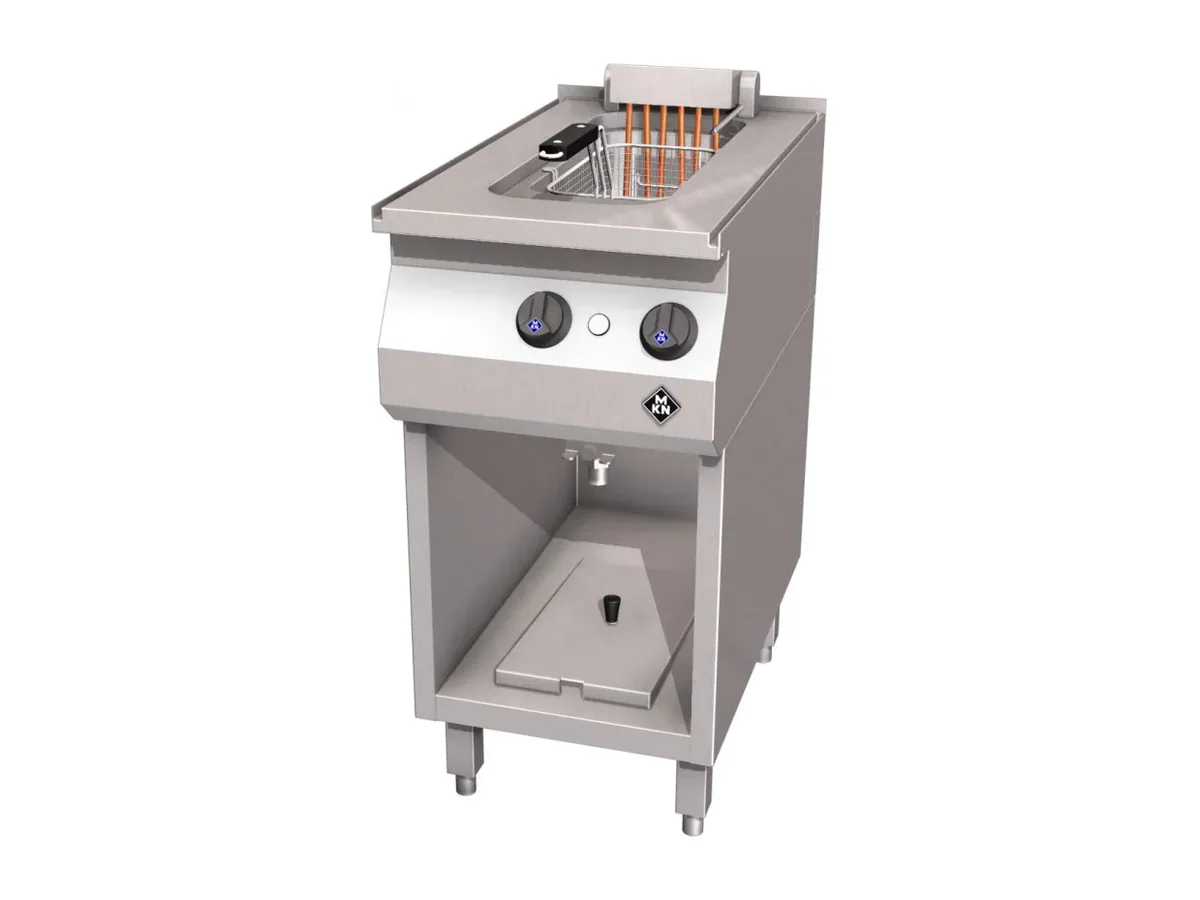
Electric Optima 850 deep fat fryer, 30 l single well, 400 x 400 mm pan, 20 kW at 400 V, stainless steel 1.4301 (AISI 304).
20 kW · 30 litres
Electric deep fat fryers with one or two zones, from the MKN Optima 700, Optima 850, CounterSL and HotLine lines and Electrolux Professional 900XP and thermaline 90.
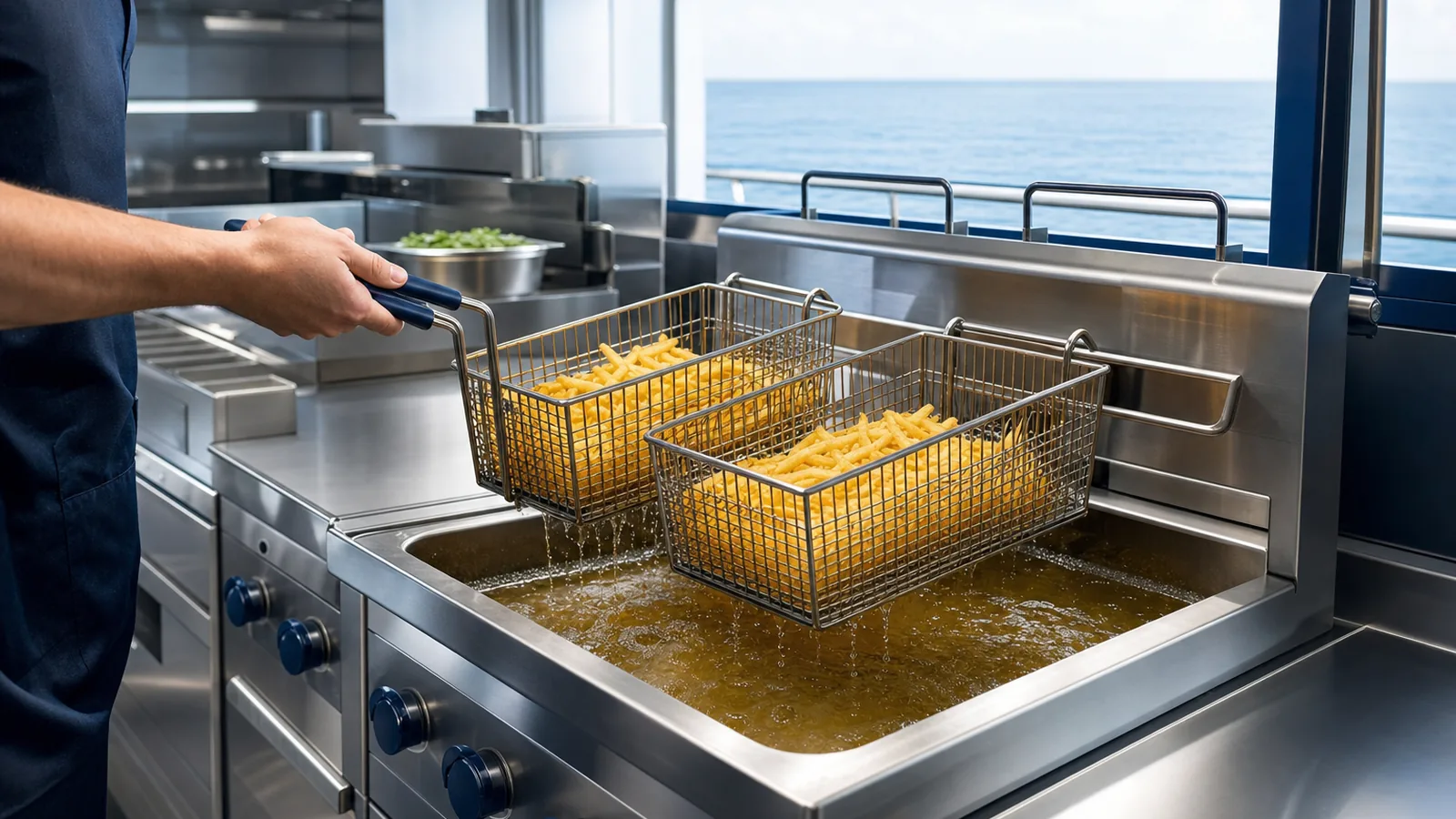
Electric Optima 850 deep fat fryer, 30 l single well, 400 x 400 mm pan, 20 kW at 400 V, stainless steel 1.4301 (AISI 304).
Single-tank 30 litre deep fat fryer, 20 kW, 600 x 850 mm Optima 850 electric module, 400 V. Article 2020329B.
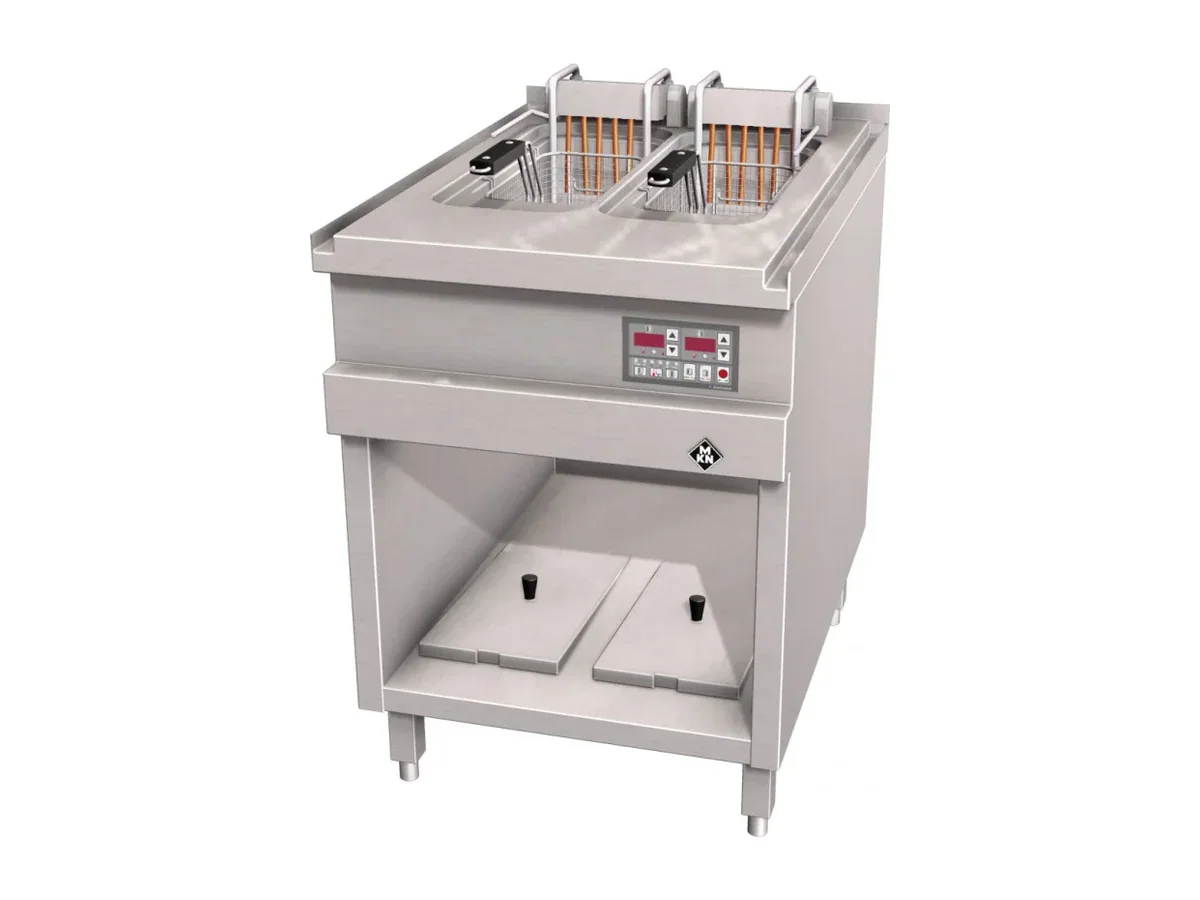
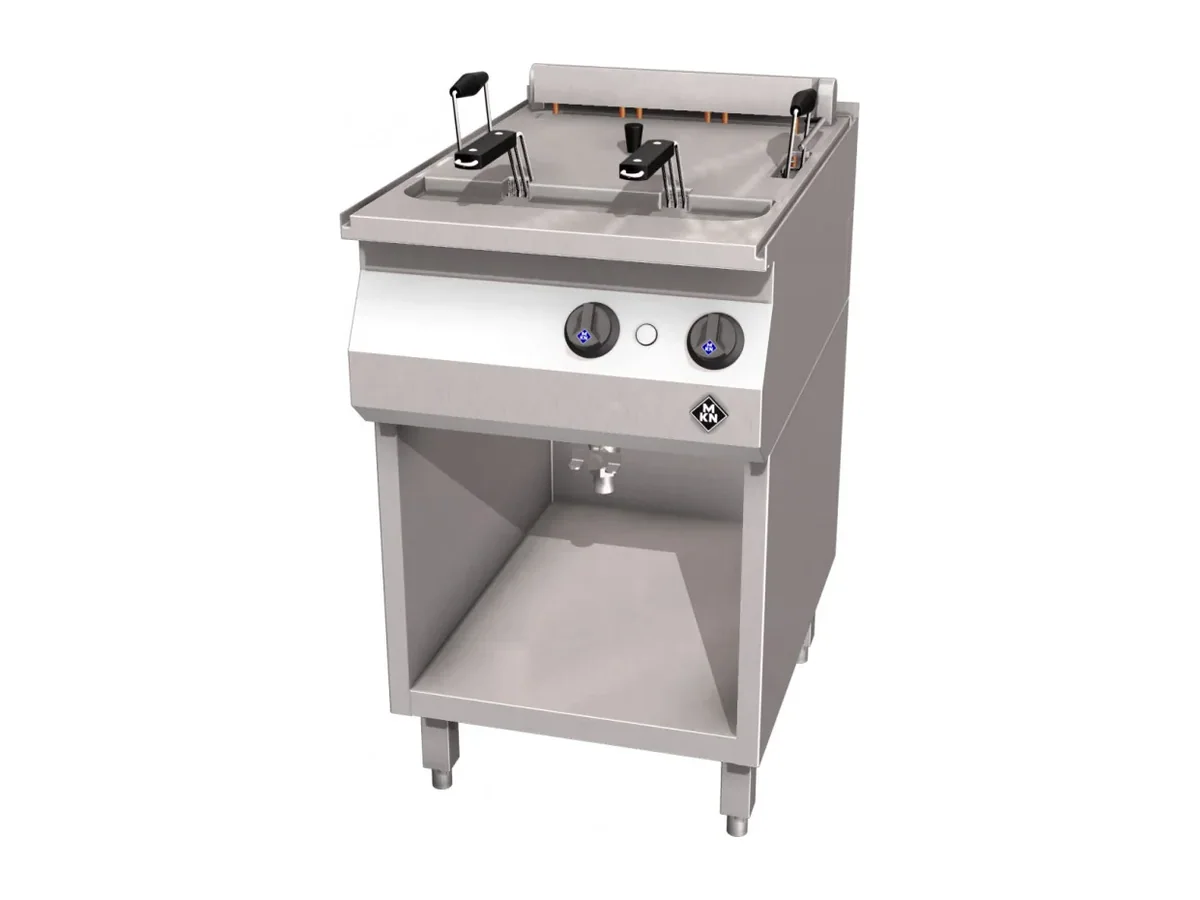
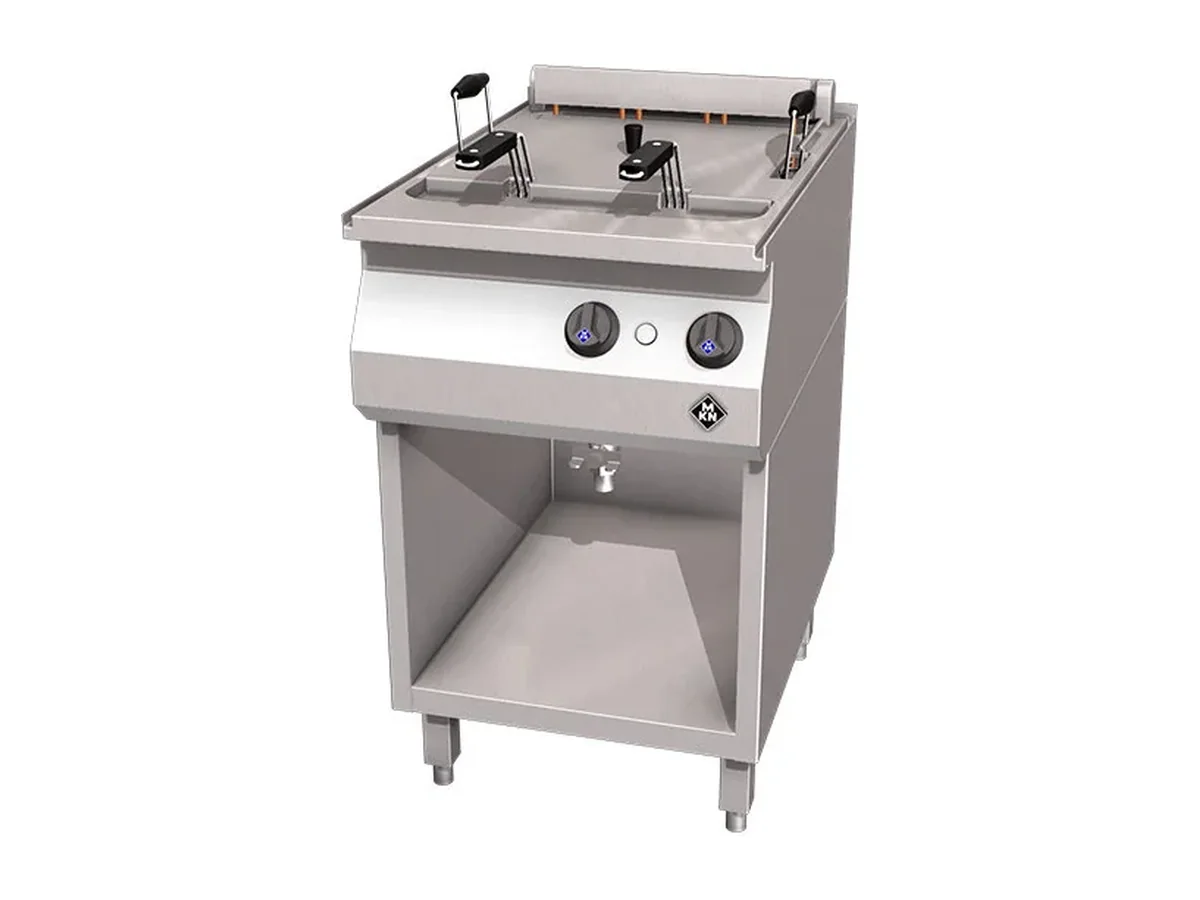
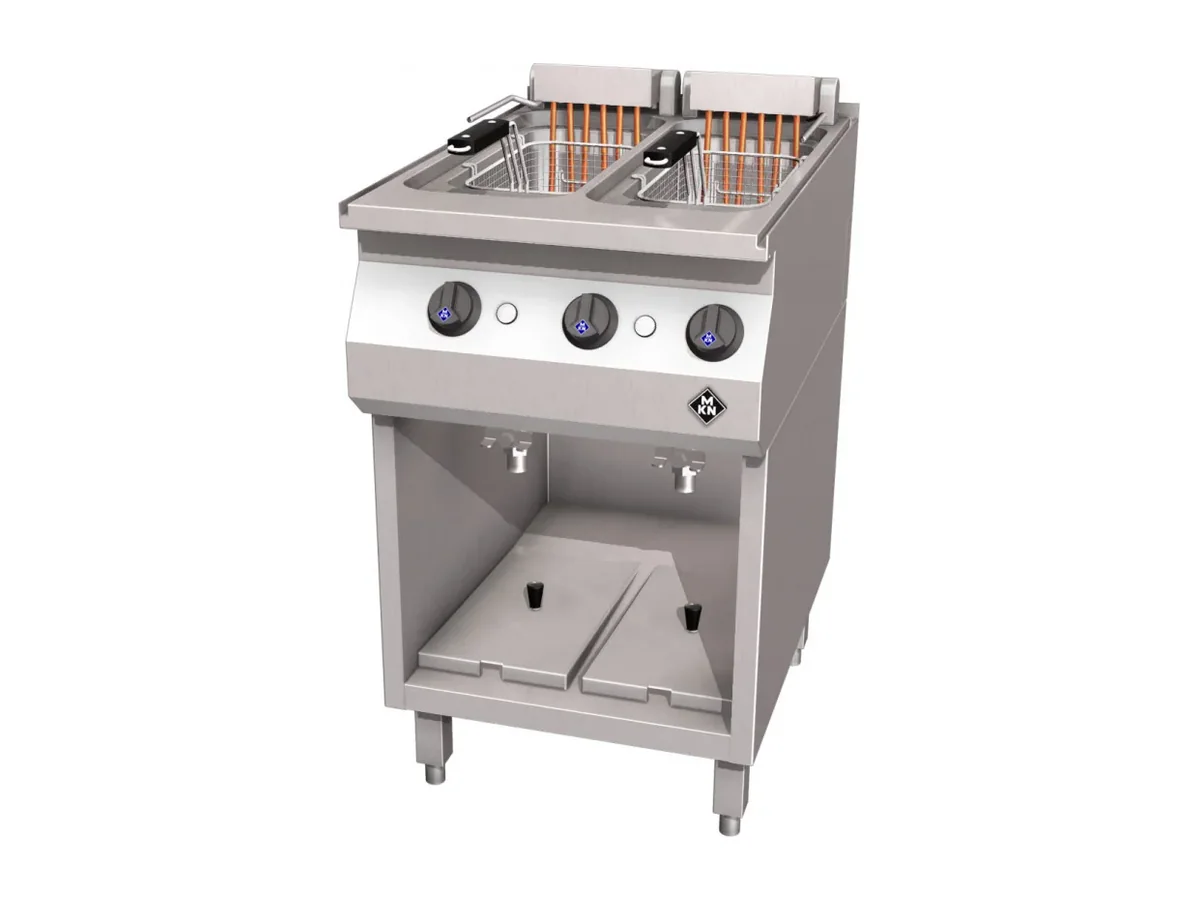
Optima 850 electric deep fat fryer 2020327C with 2 x 12.5 l wells, 20 kW on a 600 x 850 x 700 mm module.
Electric Optima 850 deep fat fryer, 2 x 12,5 l work zones, 20 kW at 400 V in a 600 x 850 x 700 mm module. MKN 2020327B.
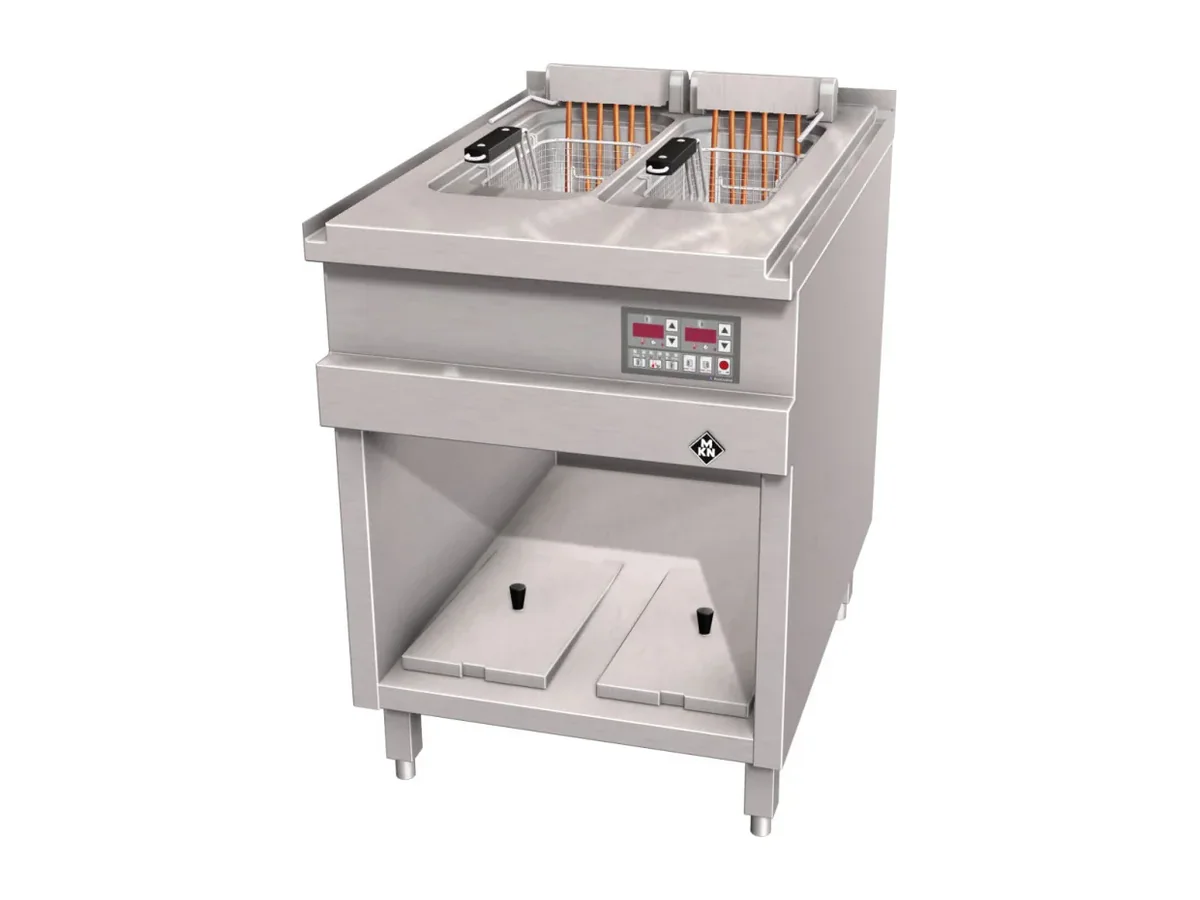
Electric Optima 850 deep fat fryer, 2 x 12.5 l wells over 600 x 850 mm body, 20 kW at 400 V. MKN 2020325C.
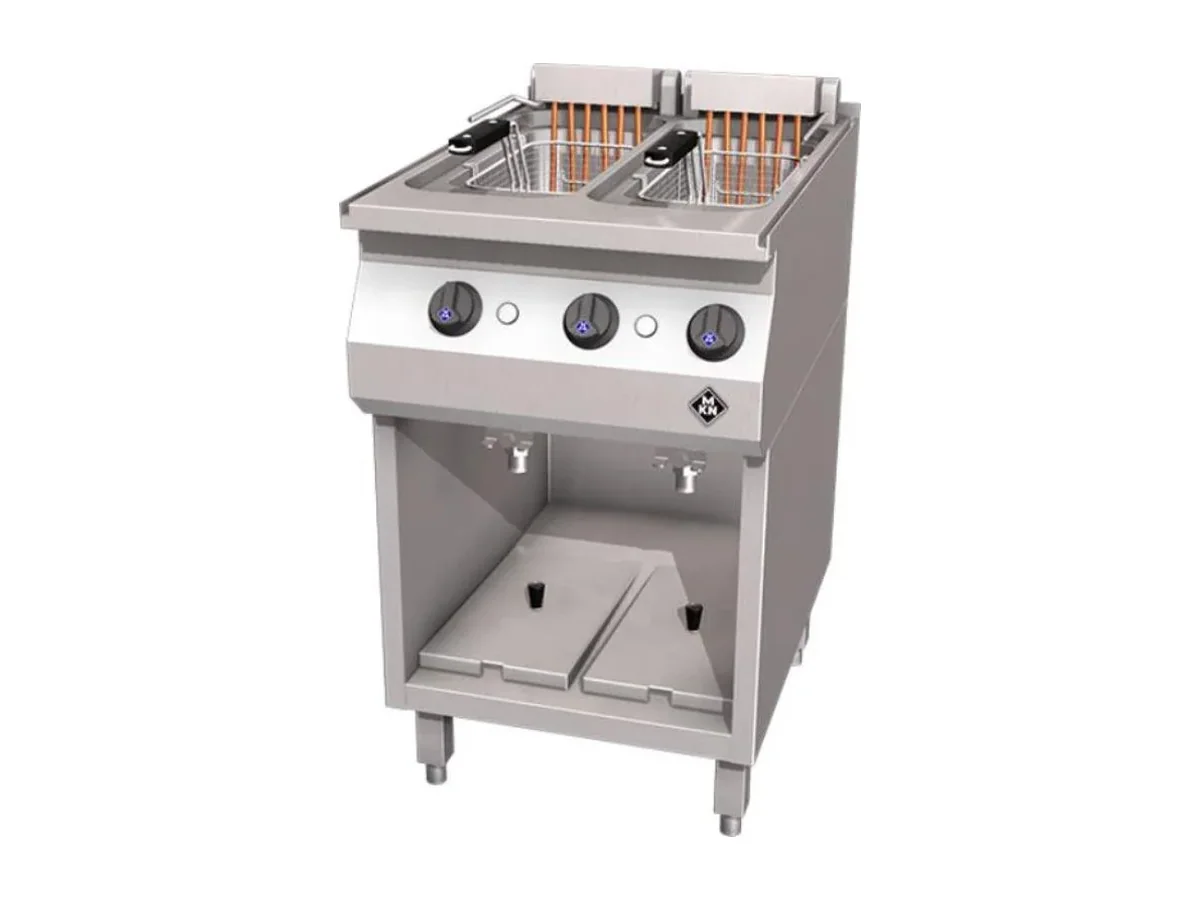
Electric Optima 850 deep fat fryer 2020325B with 2 x 12.5 l wells and 20 kW load in a 600 x 850 mm module.
Electric Optima 850 fryer 2020325A with 2 x 12.5 l tanks and twin work zones on a 600 x 850 mm module.
Electric Optima 850 fryer 2020325 with 2 x 12.5 l wells across a 600 x 850 mm module, 12 kW at 400 V for twin-zone frying.
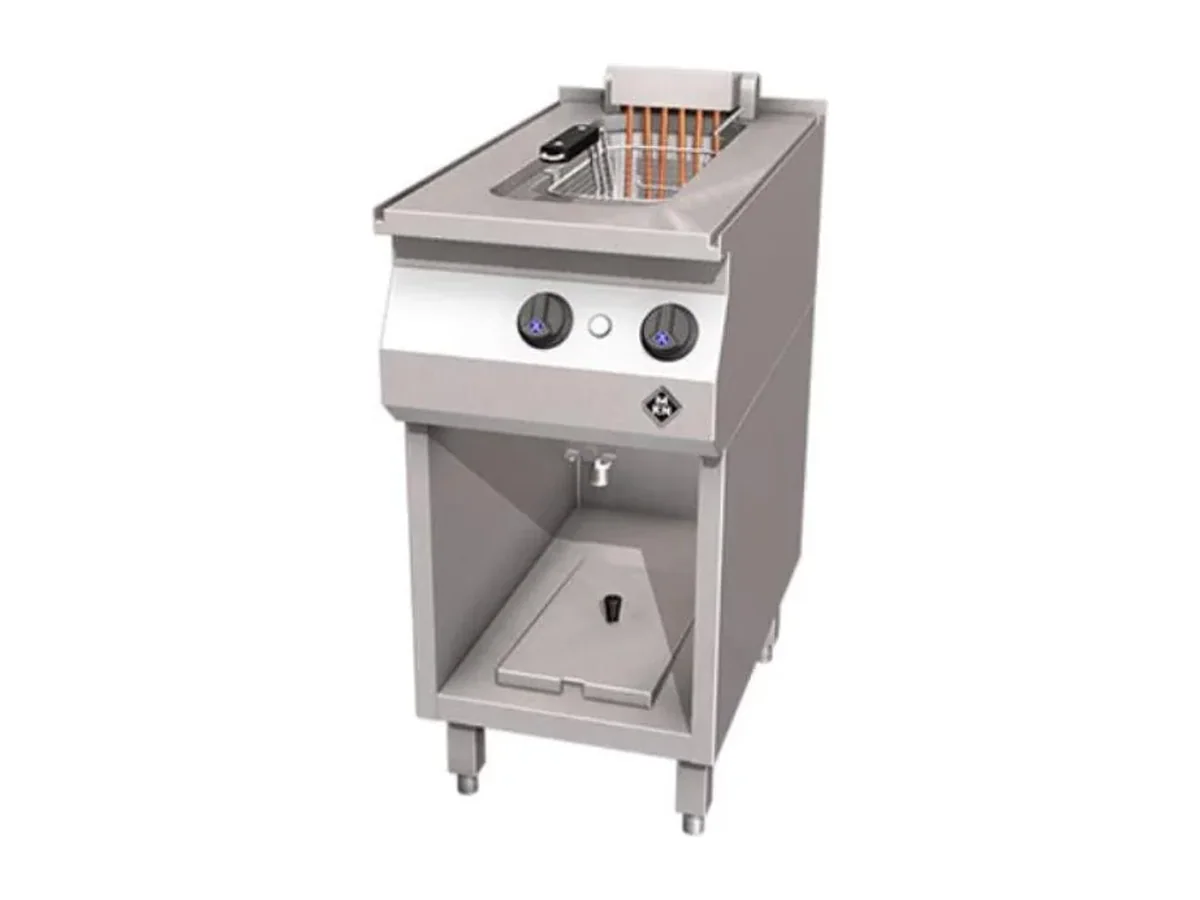
Single-well Optima 850 electric deep fat fryer, 12.5 l capacity, 10 kW at 400 V in a 400 x 850 mm module. Article 2020323B.
Single-tank 12.5-litre deep fat fryer, 400 x 850 mm Optima 850 module, 10 kW electric, stainless steel 1.4301.
Single-well 12.5-litre electric deep fat fryer, 400 x 850 mm Optima 850 module, 6 kW at 400 V. Article 2020321.
Single-tank 30 litre electric deep fat fryer, 20 kW, 400 V, 500 x 700 mm footprint from the MKN HotLine series.
Single-tank 30-litre electric deep fat fryer, 500 x 700 mm footprint, 10 kW, 400 V, MKN HotLine 1320330.
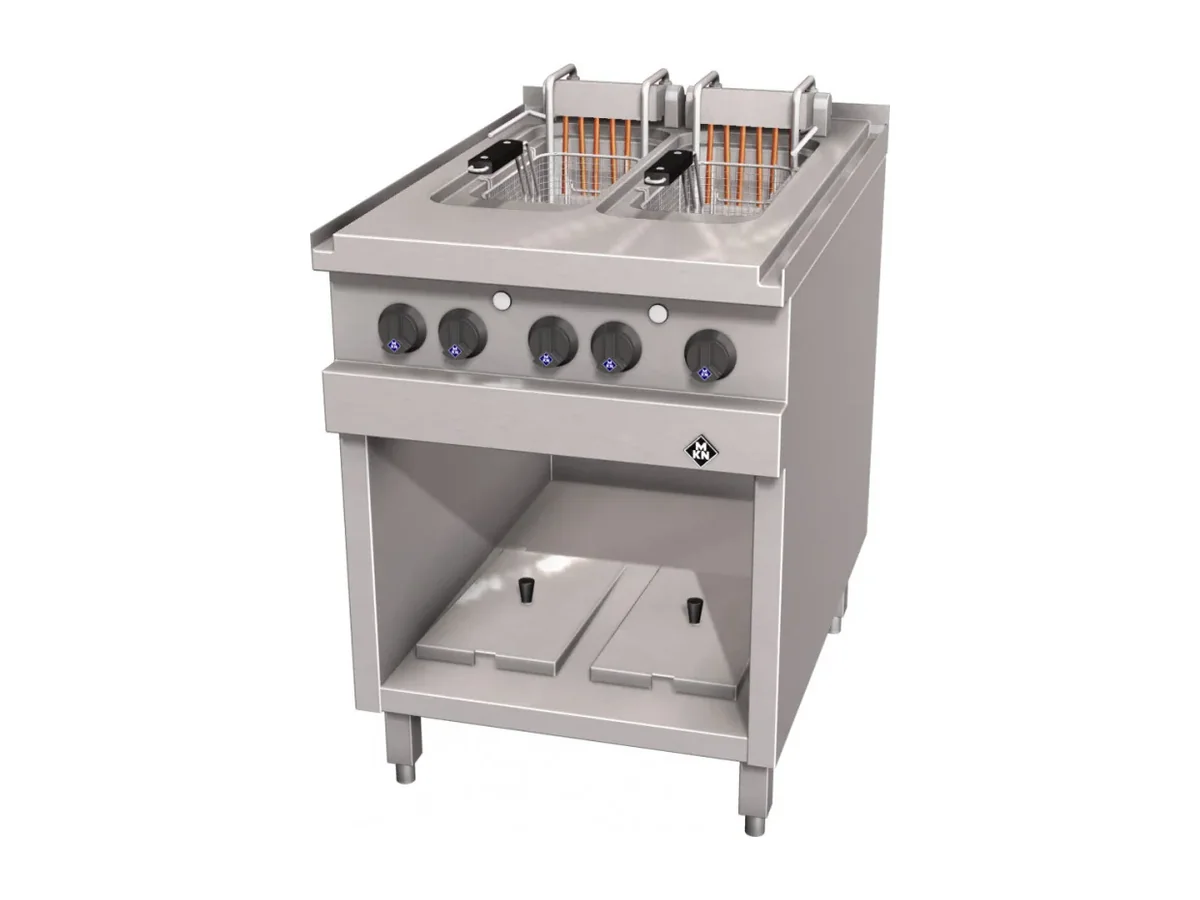
Two-bath HotLine electric fryer, 2 x 12.5 l pans, 20 kW at 400 V in a 500 x 700 mm module. MKN 1320325B.
Electric HotLine deep fat fryer 1320325 with 2 x 12.5 l wells and 12 kW load in a 500 x 700 x 700 mm body.
HotLine electric deep fat fryer 1320321B, 400 x 700 mm module with 2 x 12.5 l capacity at 10 kW, 400 V.
Single-zone 12.5 l electric deep fat fryer, 6 kW at 400 V on a 400 x 700 mm HotLine body. MKN 1320321.
The Optima 850 series stretches from 6 kW fryers suited to lighter duty up to 42 kW units carrying as much as 115 litres of oil, all at 400 V. That spread allows a single line to cover everything from a snack service to sustained production in a main galley, with widths running from 400 mm modules up to 1800 mm suites and net weights up to 180 kg to factor into deck loading.
For shipboard planners the key is aligning connected load, tank volume and footprint. A 42 kW, 115 litre Optima 850 module at 1800 mm width is a very different proposition from a slim module: it concentrates both weight and heat in one position and needs the electrical and extraction infrastructure to match.
Optima 700 and the HotLine and CounterSL ranges sit lower in capacity and footprint. Across Optima 700 the listed fryers run 6 to 20 kW, with 12.5 to 30 litres oil volume and widths between 400 and 600 mm; HotLine and CounterSL match that 6 to 20 kW, 12.5 to 30 litre band in 400 to 500 mm widths. Net weights here start from 19 kg and run into the 70 kg bracket, so two or three modules still stay manageable for lighter deck structures.
Every HotLine and CounterSL fryer lists fully welded seams and a drain valve; in Optima 700 all units have welded seams and just over half add a drain valve, and every HotLine fryer is also energy management ready. That combination matters in compact galleys where fryers sit shoulder to shoulder with other cooking equipment and where any oil handling or power peak has an immediate impact on the rest of the line.
The Electrolux Professional fryers in this category sit in the 900XP and thermaline 90 families. 900XP units bring net weights up to 115 kg, with supply options including 380–400 V and 400 V, and importantly some variants at 440 V with both 50 Hz and 60 Hz listed. thermaline 90 fryers are specified at 440 V as well, with published operation at 50 Hz or 60 Hz depending on model.
On a vessel with mixed 400 V and 440 V distribution, that native 440 V support avoids running key cooking loads through transformers. It also lets the cooking line follow the same 50/60 Hz pattern as other thermaline 90 and 900XP modules, simplifying switchboard and spare-parts planning.
Across the whole page, stated fryer capacities range from 12.5 litres up to 115 litres and most models are either single-zone or two-zone units. One-zone fryers suit straightforward, high-throughput menus; two-zone variants allow separation of protein and allergen-heavy loads or staggering batch start times without adding another cabinet. Where multiple fryers are grouped, the energy-management-ready models in Optima 700, Optima 850 and HotLine can be planned so that peak demand is smoothed across the bank.
Shipboard cleaning practice drives the value of fully welded seams and washdown protection, both of which are common in the MKN ranges here. With many models listed as washdown protected, they can be integrated into wet-cleaned galley lines that already rely on pressure spray, as long as the surrounding fabrication and electrical terminations follow the same hygiene and IP logic.
This page is the wrong place if the requirement is bulk production of stocks, soups or sauces, or shallow frying on a large plate. Deep fat fryers here top out at 115 litres oil volume; above that, or where direct boiling and braising are needed, the Bratt Pans and Boiling Kettles categories carry the load more effectively. Those lines also offer capacities up to and beyond 150 litres in single vessels, which is the scale required for central production on larger commercial vessels.
Published electrical power on these fryers runs from 6 kW on compact CounterSL and Optima 700 units up to 42 kW on the largest Optima 850 model. Many fryers in between fall in the 10 to 20 kW band, which is often easier to integrate into existing 400 V or 440 V switchboards.
Stated tank capacities start at 12.5 litres on smaller Optima 700, HotLine and CounterSL units and go up to 115 litres on the largest Optima 850 fryer. Facet filtering also shows several models grouped in the up to 30 litre and up to 50 litre brackets for intermediate duties.
Within this category, some Electrolux Professional 900XP fryers list 440 V alongside 380–400 V and 400 V options. All the thermaline 90 fryers here are specified at 440 V as well, with a mix of 50 Hz and 60 Hz supply frequencies depending on the model.
The filters list a significant number of 1 zone and 2 zones fryers, with 64 single-zone and 32 two-zone units. Two-zone models are useful where the menu needs separation of products or staggered batch timings without increasing overall footprint, particularly in the 12.5 to 30 litre capacity band common to Optima 700, HotLine and CounterSL.
A walk through a working galley, station by station, and the equipment found at each: stores, preparation, the hot line, holding, warewashing and the laundry beside it.
Read guideHow a ship galley is planned from the people it feeds: crew size and service pattern, rotation and provisioning, volume cooking, the scullery, power and steam, fire rules and the laundry.
Read guideThe constraints that actually decide a galley specification — service, power, space, water, heat, motion, materials and compliance — worked through in the order they bite.
Read guide