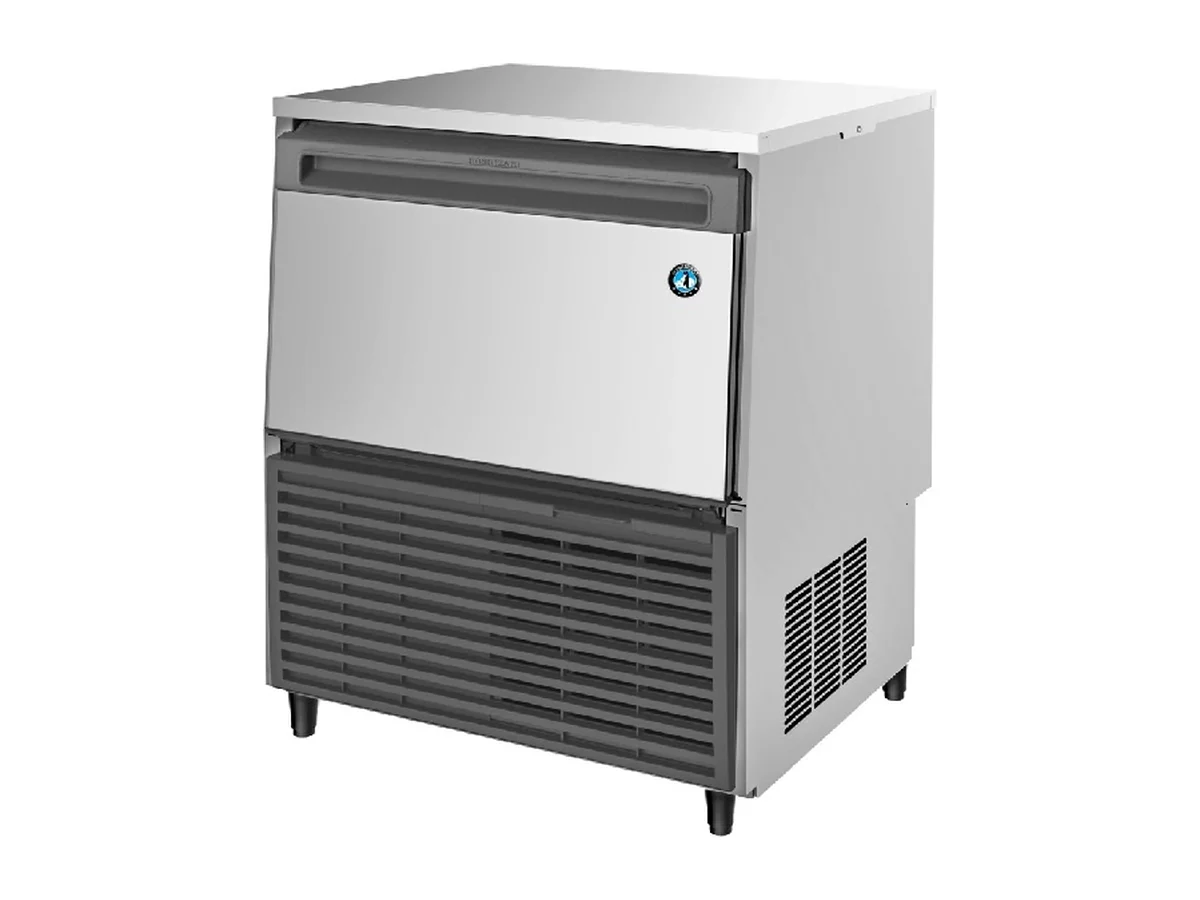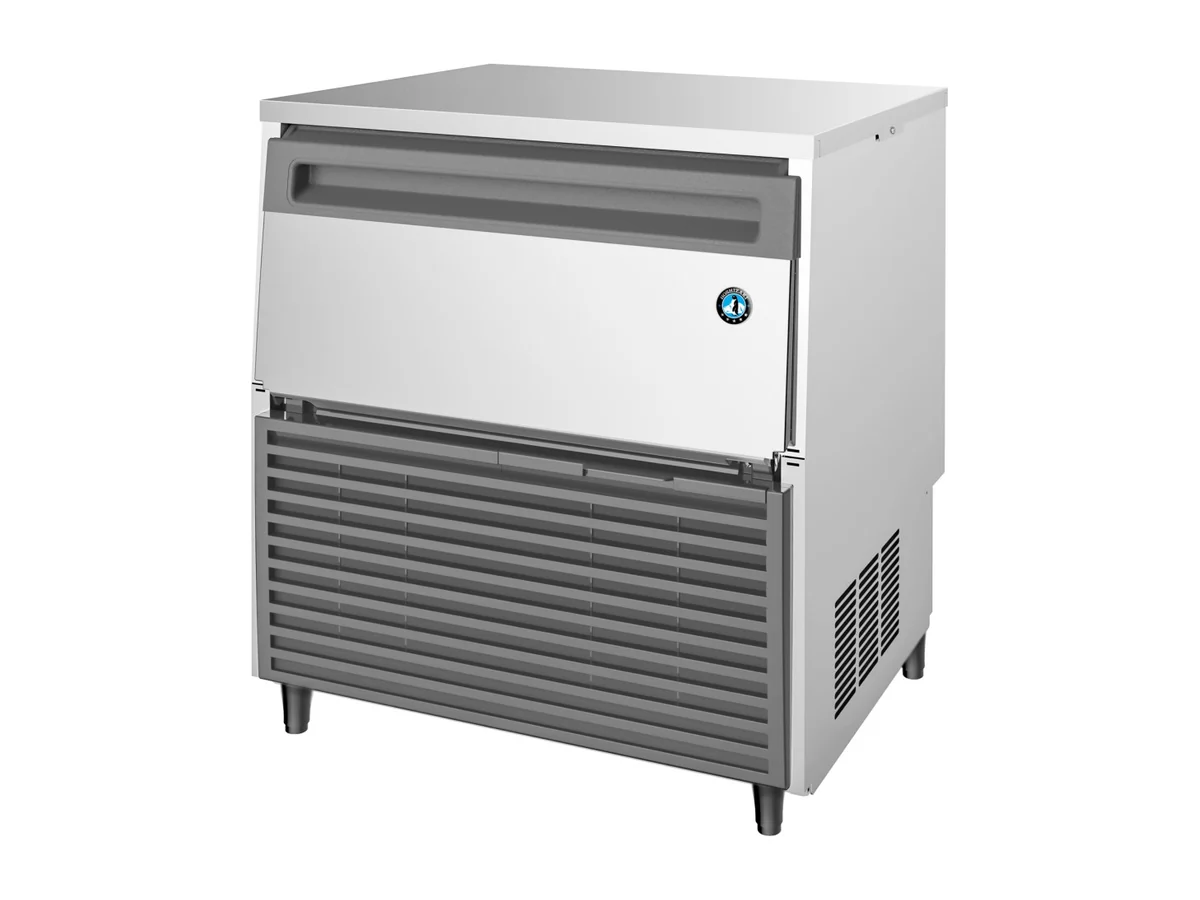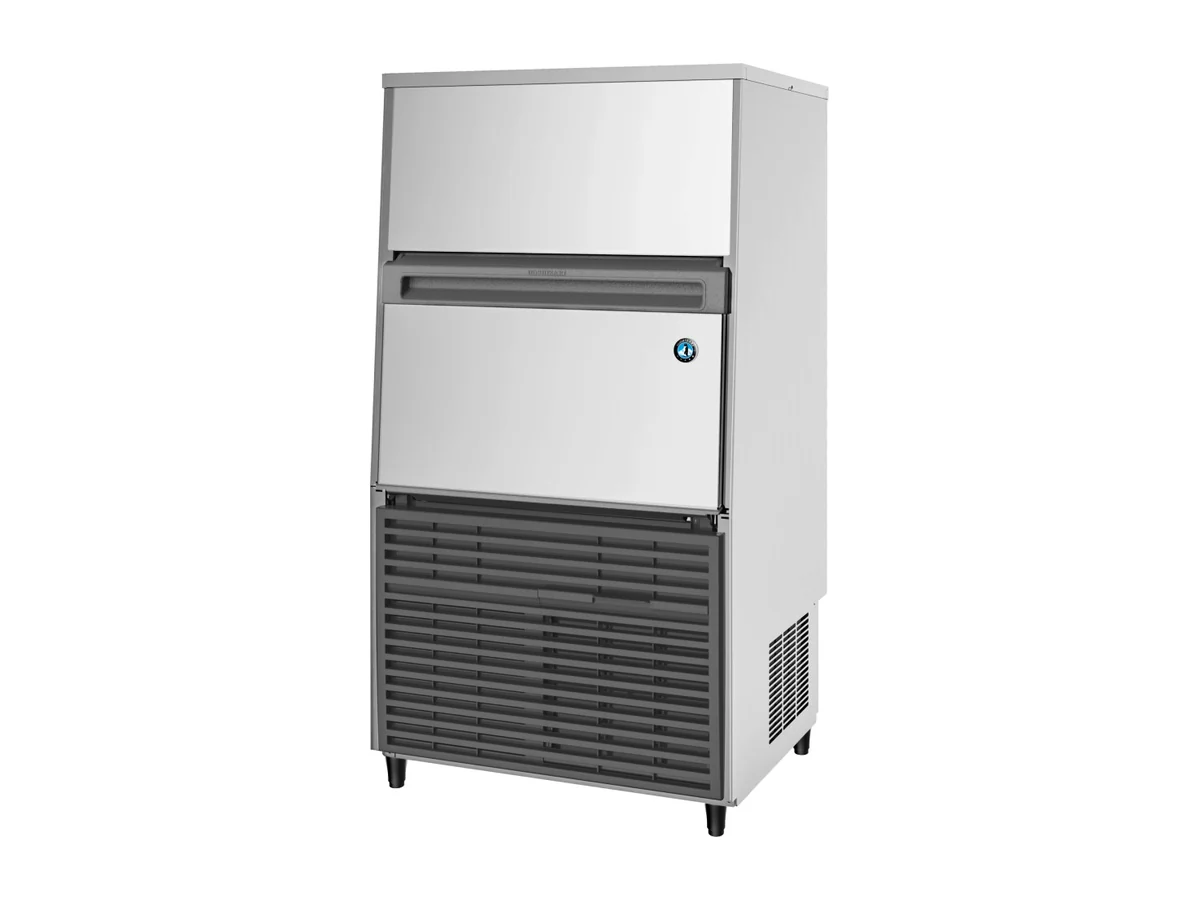
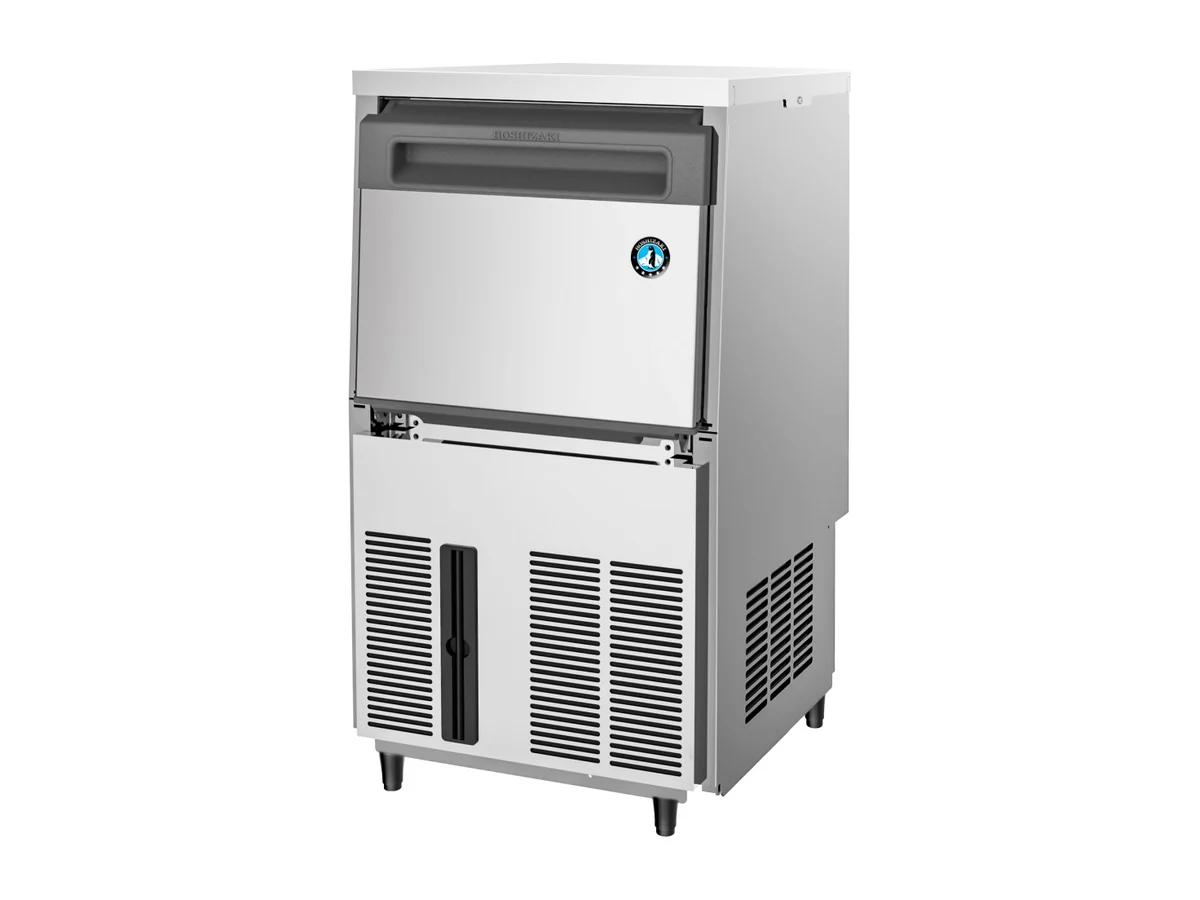
Hoshizaki Cube Ice Maker IM-30CA – I-FIT, Self-Contained, Air-cooled, 26 kg/24h
Hoshizaki IM-30CA I-FIT cube ice maker: about 26 kg a day at 21 °C, air-cooled, published for 50 Hz and 60 Hz supplies.
26 kg/24h · air-cooled · 50/60 Hz
Marine galley equipment by vessel
The 60 Hz Yacht Ice Makers page lists 7 Hoshizaki cube ice makers from the I-FIT series that carry a 60 Hz rating next to 50 Hz, all single-phase in the 208-240 V class. Five are self-contained units with their own bin, from 26 kg/24h to 116 kg/24h, and two are modular heads making 180 kg/24h and 185 kg/24h.
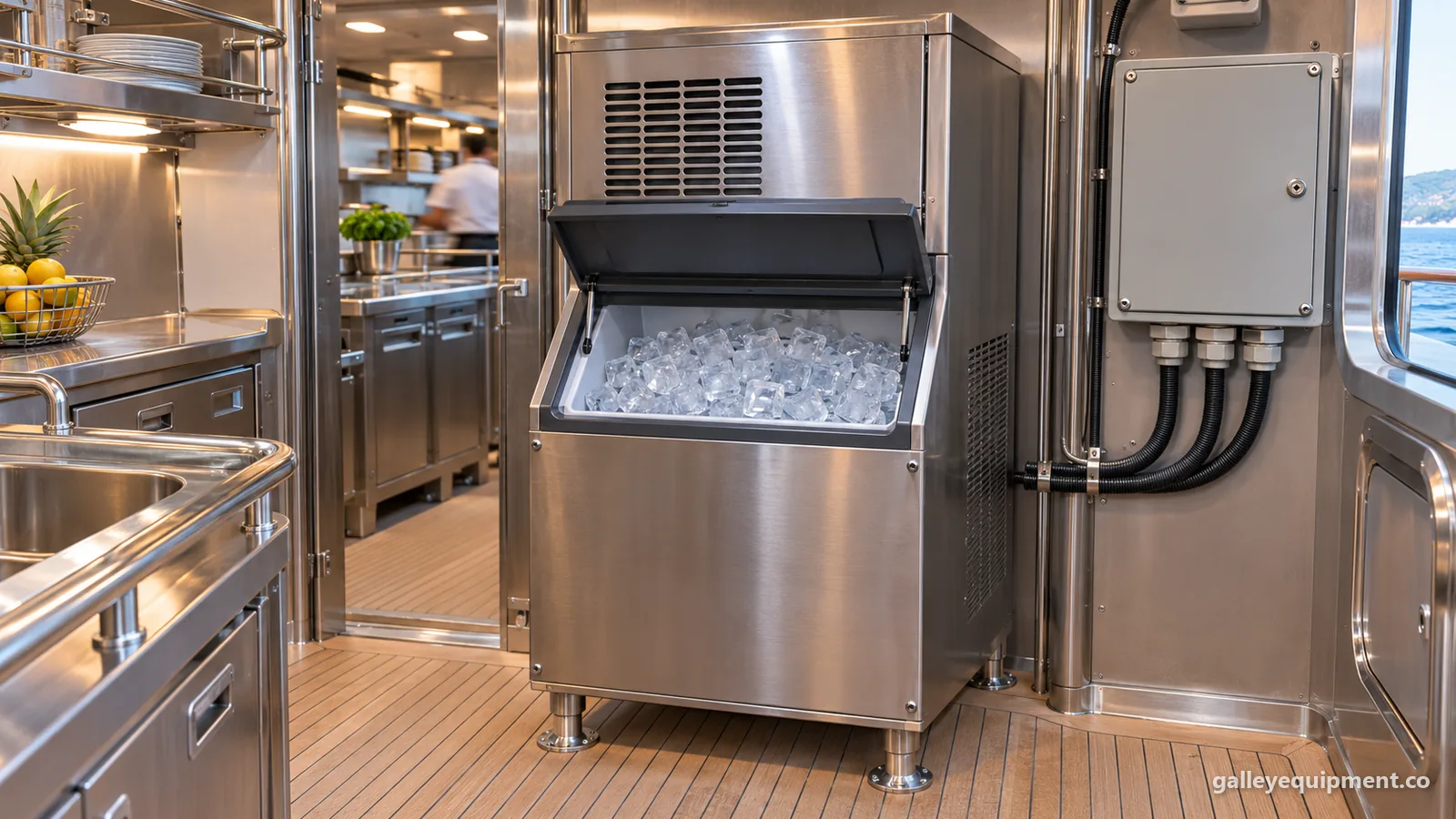
Hoshizaki Cube Ice Maker IM-30CA – I-FIT, Self-Contained, Air-cooled, 26 kg/24h
Hoshizaki IM-30CA I-FIT cube ice maker: about 26 kg a day at 21 °C, air-cooled, published for 50 Hz and 60 Hz supplies.
Hoshizaki Cube Ice Maker IM-45CA – I-FIT, Self-Contained, Air-cooled, 44 kg/24h
Hoshizaki IM-45CA I-FIT cube ice maker: about 44 kg a day at 21 °C, air-cooled, published for 50 Hz and 60 Hz supplies.
Hoshizaki Cube Ice Maker IM-65A – I-FIT, Self-Contained, Air-cooled, 56 kg/24h
Hoshizaki IM-65A I-FIT cube ice maker: about 56 kg a day at 21 °C, air-cooled, published for 50 Hz and 60 Hz supplies.
Hoshizaki Cube Ice Maker IM-100A – I-FIT, Self-Contained, Air-cooled, 98 kg/24h
Hoshizaki IM-100A I-FIT cube ice maker: about 98 kg a day at 21 °C, air-cooled, published for 50 Hz and 60 Hz supplies.
Hoshizaki Cube Ice Maker IM-130A – I-FIT, Self-Contained, Air-cooled, 116 kg/24h
Hoshizaki IM-130A I-FIT cube ice maker: about 116 kg a day at 21 °C, air-cooled, published for 50 Hz and 60 Hz supplies.
Hoshizaki Cube Ice Maker IM-220AA – I-FIT, Modular, Air-cooled, fin and tube, 180 kg/24h
Hoshizaki IM-220AA I-FIT cube ice maker: about 180 kg a day at 21 °C, air-cooled, fin and tube, published for 50 Hz and 60 Hz supplies.
Hoshizaki Cube Ice Maker IM-220AWB – I-FIT, Modular, Water-cooled, 185 kg/24h
Hoshizaki IM-220AWB I-FIT cube ice maker: about 185 kg a day at 21 °C, water-cooled, published for 50 Hz and 60 Hz supplies.
Every one of the 60 Hz Yacht Ice Makers on this page is a Hoshizaki I-FIT cube machine, seven in total, and each carries both 50 Hz and 60 Hz in its frequency data with a single-phase connection. That dual entry is the reason they appear here. A yacht built in the United States, or one based where 60 Hz shore power is standard, can connect them without a frequency converter, and the same machine stays usable if the yacht later moves to a 50 Hz region.
One detail deserves a check at order stage. The supply line on each product record reads 208-240 V, 50 Hz, while the frequency data lists 60 Hz as well. Before an I-FIT unit is ordered for a 60 Hz yacht, our team confirms the 60 Hz voltage and output figures for that exact model code, so the rating plate on delivery matches the switchboard.
Output runs from 26 kg/24h to 185 kg/24h across these 60 Hz yacht ice makers, and the step between models is fine enough to size a yacht bar with little waste.
| Model | Build | Cooling | Output (kg/24h) |
|---|---|---|---|
| IM-30CA | self-contained | air | 26 |
| IM-45CA | self-contained | air | 44 |
| IM-65A | self-contained | air | 56 |
| IM-100A | self-contained | air | 98 |
| IM-130A | self-contained | air | 116 |
| IM-220AA | modular | air, fin and tube | 180 |
| IM-220AWB | modular | water | 185 |
Many galley planners start from roughly 1 kg of ice per person per day in warm cruising grounds and add margin for heavy bar service, cocktail parties and fish on ice. On that basis a yacht with twelve guests and eight crew on a hot-weather charter is close to the 44 kg/24h IM-45CA, and a bigger yacht running two bars may need the IM-130A at 116 kg/24h or two smaller units in separate locations. Splitting production between two machines also keeps ice available if one is down for cleaning.
No. All seven sit in the 208-240 V class, so a 120 V receptacle will not run them. Searches for an ice maker 60 hz at 115 V, such as a 185w 115v 60hz ice maker, describe small domestic or RV-type machines of a different class from these commercial units.
On many American-built yachts the distribution is 120/240 V split-phase, so a 240 V single-phase circuit is usually available or can be added at the panel. A small boat wired for 120 V only, or running mainly on DC with an inverter, needs a different solution, and the boat ice makers listing is the better place to start.
Five of the seven are self-contained: the machine and its storage bin form one cabinet that fits under a bar counter or in a pantry. That suits most yachts, where one or two bars and the galley share the ice.
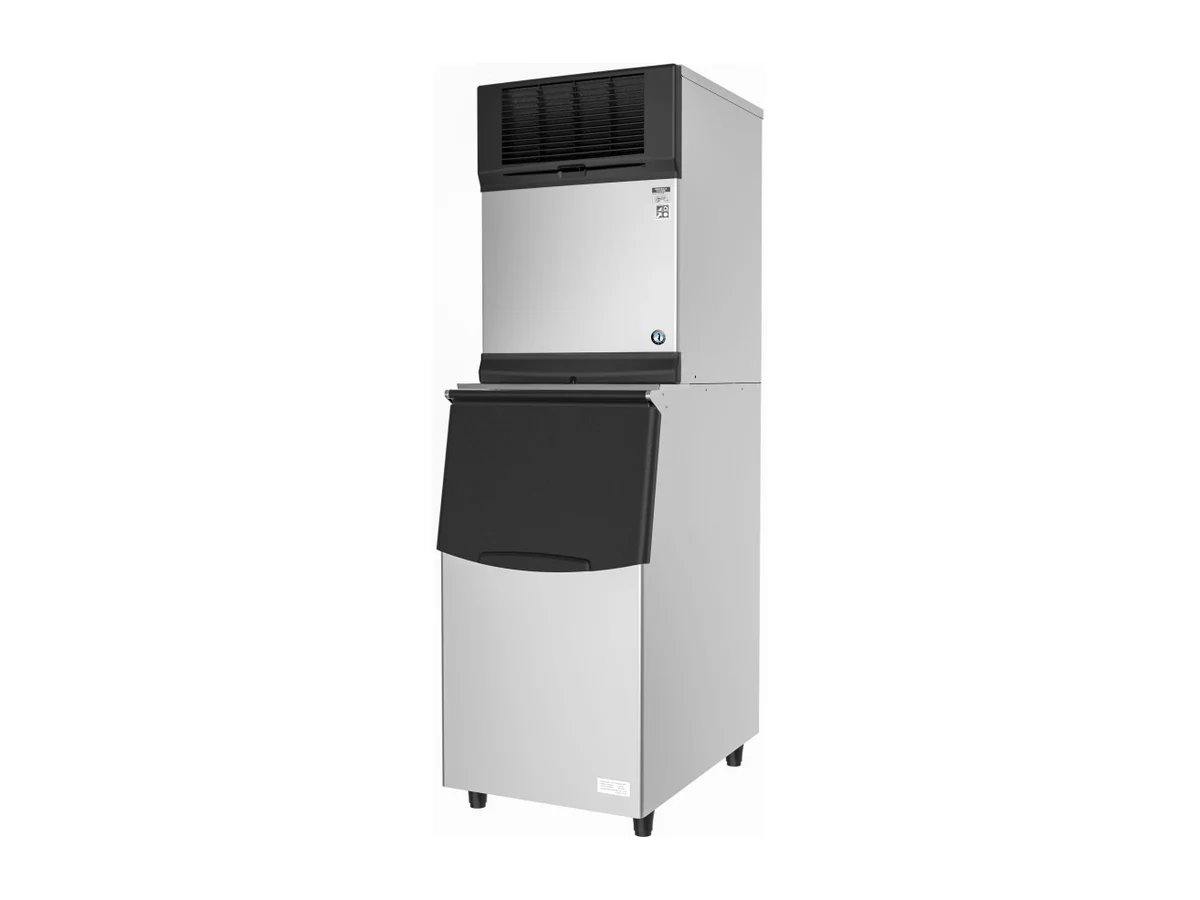
The two IM-220 heads make ice only and stand on a separate storage bin. The IM-220AA is air-cooled with a fin and tube condenser, while the IM-220AWB water-cooled head sends its condenser heat into water, which helps in an enclosed crew galley or a technical space with little ventilation. The water-cooled version uses more water each day, and on a yacht that water comes from the tanks or the watermaker.
A dual-rated machine can stay on board when the electrical environment changes. A yacht that spends winters in the Caribbean on 60 Hz shore power and summers in the Mediterranean on 50 Hz shore power meets both frequencies, while the generators keep running at whichever frequency the builder chose for the ship's network.
A compressor built only for 50 Hz runs roughly 20 per cent quicker on a 60 Hz bus, pushing refrigerant flow and motor load up with it. The I-FIT data avoids that mismatch, though harvest timing and daily output can still differ between the two frequencies, so ask for the 60 Hz output figure when sizing. A frequency converter is the alternative for single-frequency machines, at the cost of weight, heat and space that a yacht can rarely spare. Our background on dual-frequency yacht wiring lays those options side by side for owners and captains.
The seven machines all make cube ice, which limits them to drinks and general use.
Start with the electrical facts: the panel voltage and frequency, single-phase or split-phase, and whether the yacht switches between shore power regions. Then give the number of guests and crew, the cruising area, and how many bars or service points need ice.
Add the space for each machine with its ventilation, the water source and the drain position. Say whether a water-cooled head is acceptable and how many units are needed. Pass the brief to us via the 60 Hz yacht ice request, and we will come back with confirmed I-FIT codes and their 60 Hz figures. The Hoshizaki manufacturer profile covers the brand's other ranges.
Last reviewed by the Vista Marine galley engineering team.
Questions about 60 hz yacht ice makers
Are these ice makers rated for 60 Hz?
Yes. All seven Hoshizaki I-FIT models list both 50 Hz and 60 Hz in their frequency data, with a single-phase connection in the 208-240 V class. The supply line on each product record shows 208-240 V, 50 Hz, so we confirm the 60 Hz voltage and output figures for the exact model code before an order is placed.
Can I plug an I-FIT ice maker into a 120 V outlet?
No. These are 208-240 V machines and will not run from a 120 V receptacle. Many American-built yachts have 120/240 V split-phase panels, so a 240 V single-phase circuit is usually available or can be added. Yachts with only 120 V or DC power need a different, smaller class of machine.
Which I-FIT model is the smallest and which is the largest?
The smallest is the self-contained IM-30CA at 26 kg/24h. The largest are the two modular heads: the air-cooled IM-220AA at 180 kg/24h and the water-cooled IM-220AWB at 185 kg/24h. Between them sit the IM-45CA at 44 kg/24h, the IM-65A at 56 kg/24h, the IM-100A at 98 kg/24h and the IM-130A at 116 kg/24h.
How much ice does a yacht need per day?
A common planning start is about 1 kg per person per day in warm cruising grounds, adding margin for cocktail service, parties and fish on ice. Twenty people on board in hot weather point toward a machine in the 44 to 56 kg/24h range, and yachts with several bars often fit two smaller units in separate locations.
Do these machines make flake or nugget ice?
No, all seven make cube ice. For flake ice used on seafood displays or for chilling fish, look at flake machines and check their supply ratings against the yacht, since a machine rated only for 50 Hz would need a frequency converter on a 60 Hz panel.
Related searches
Request a quotation for 60 hz yacht ice makers
Send the vessel type, supply voltage, frequency and phase and the quantities, and our team will come back with a specification and quotation.