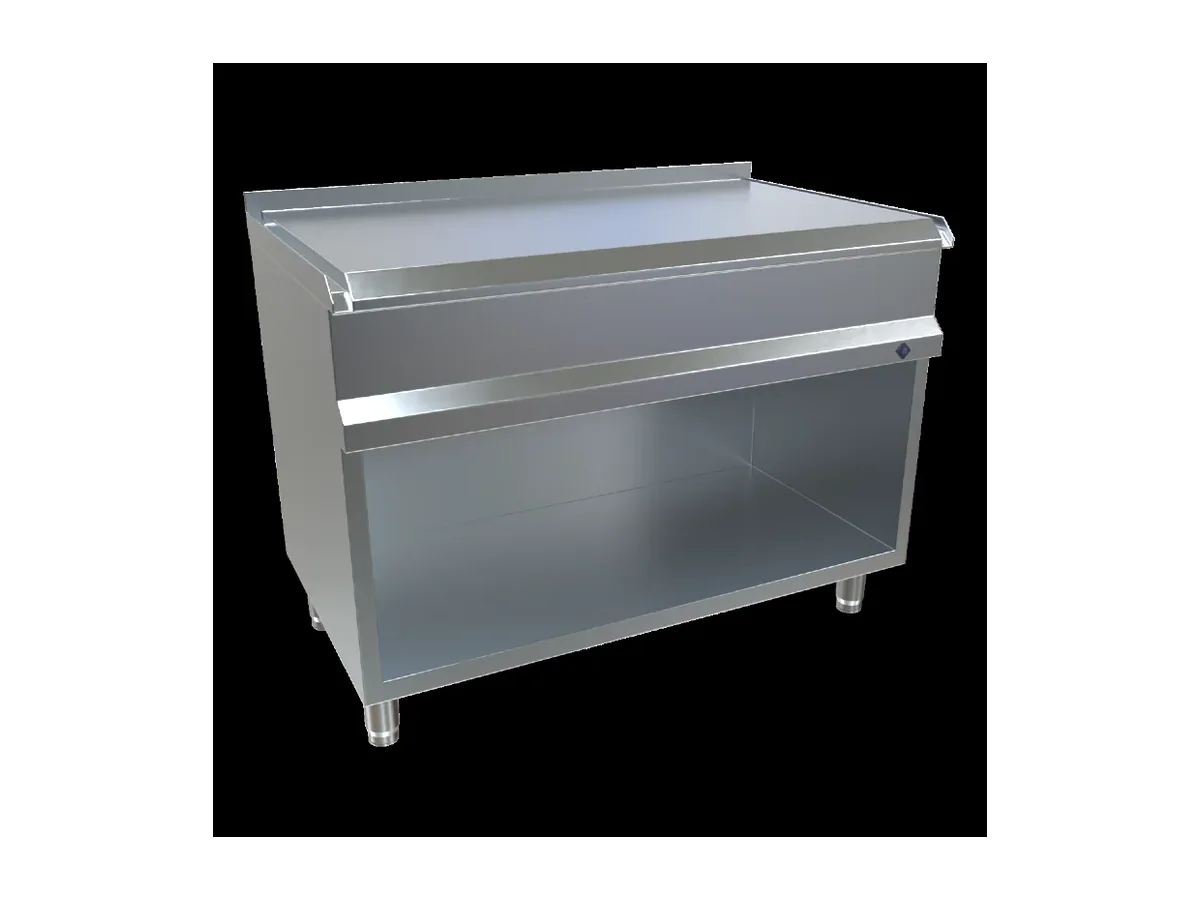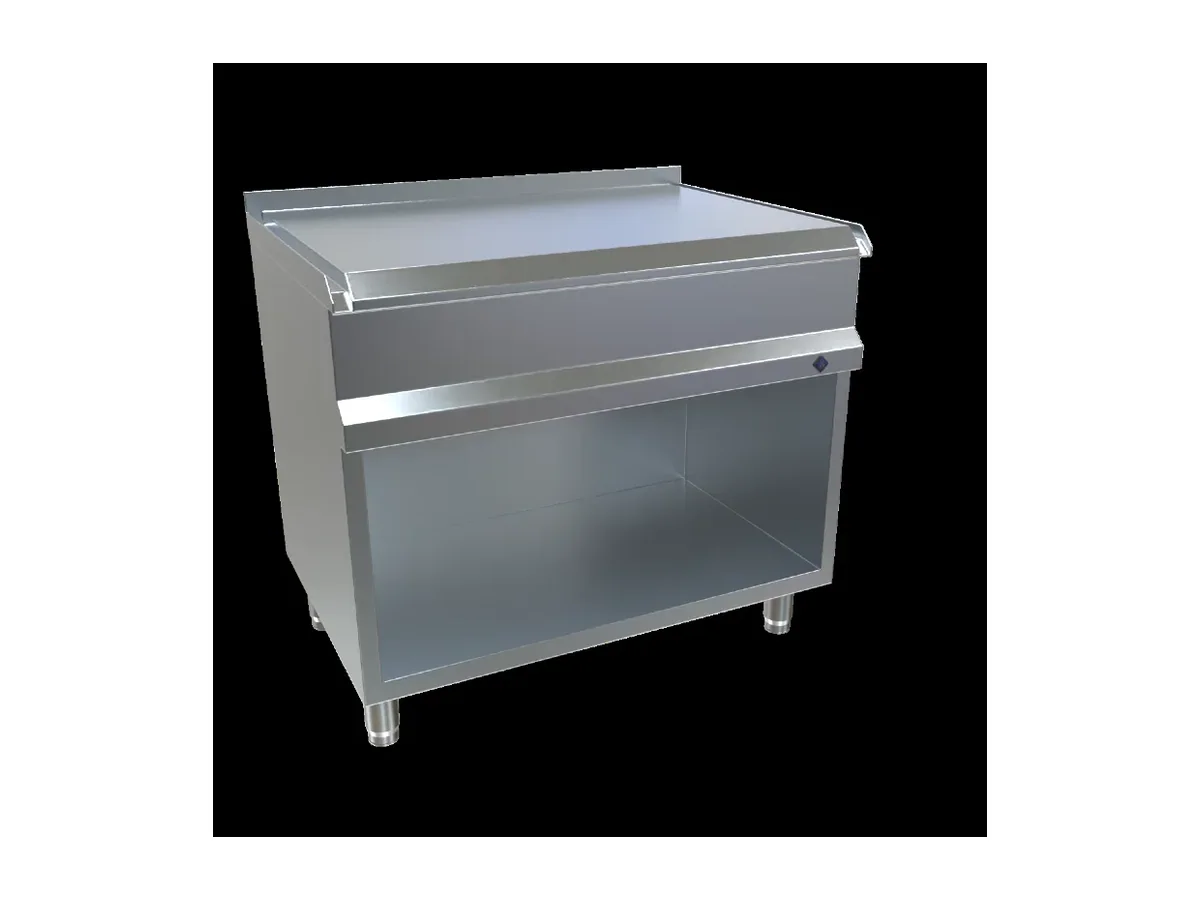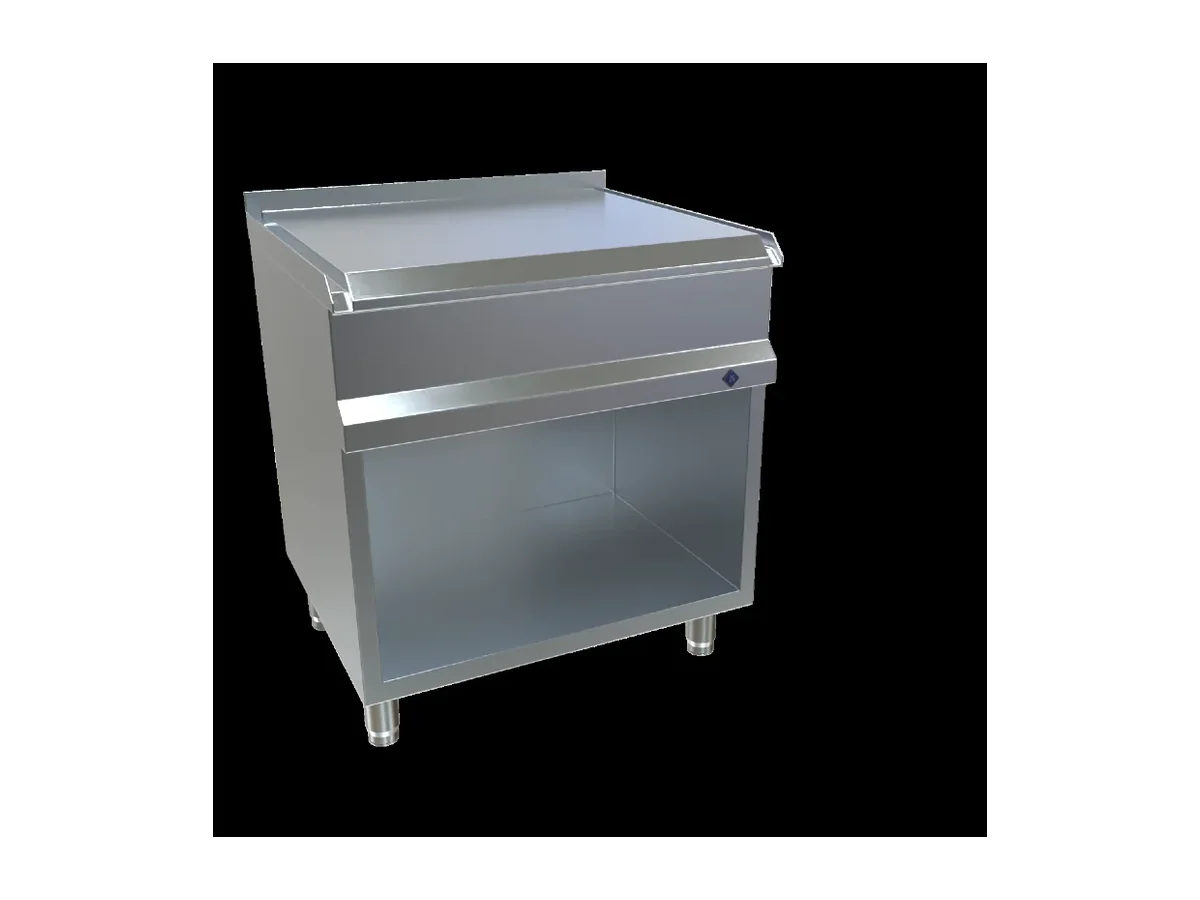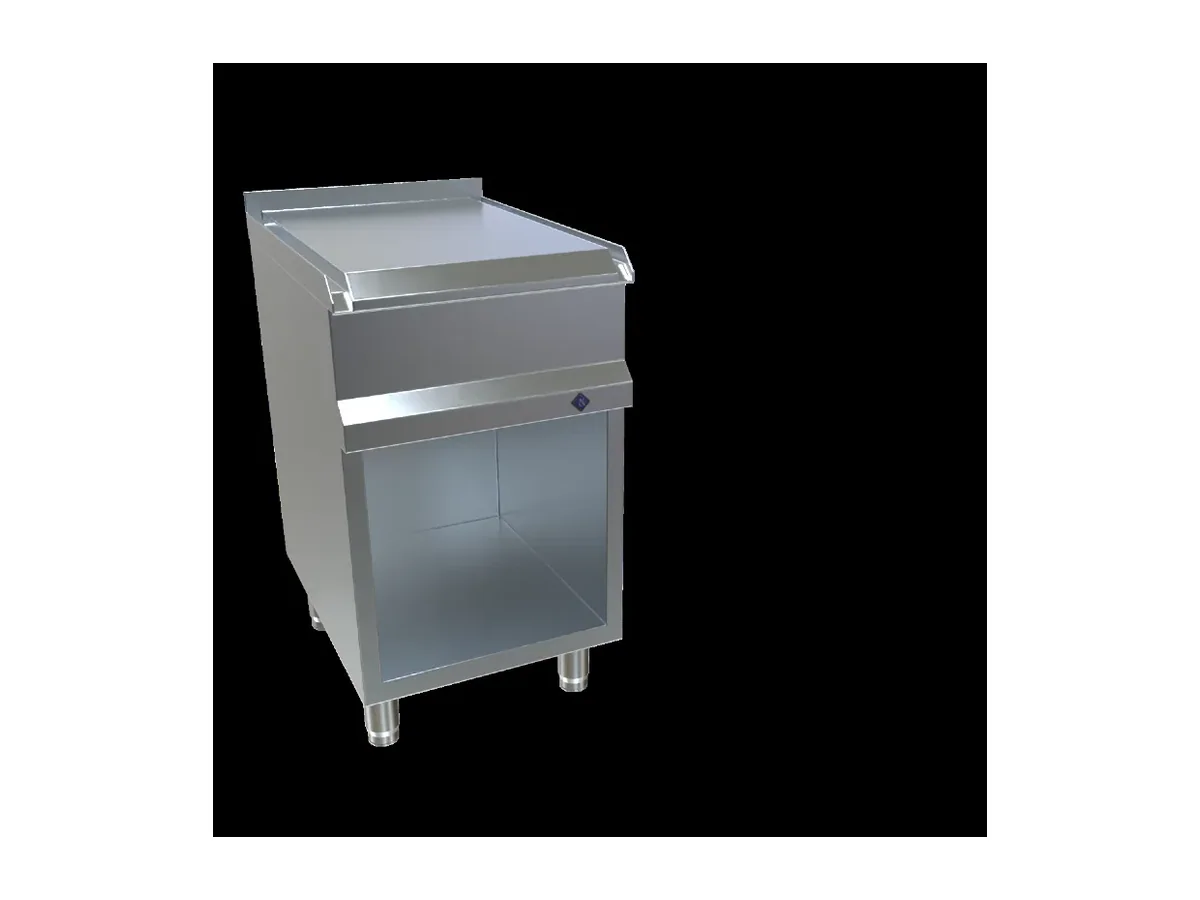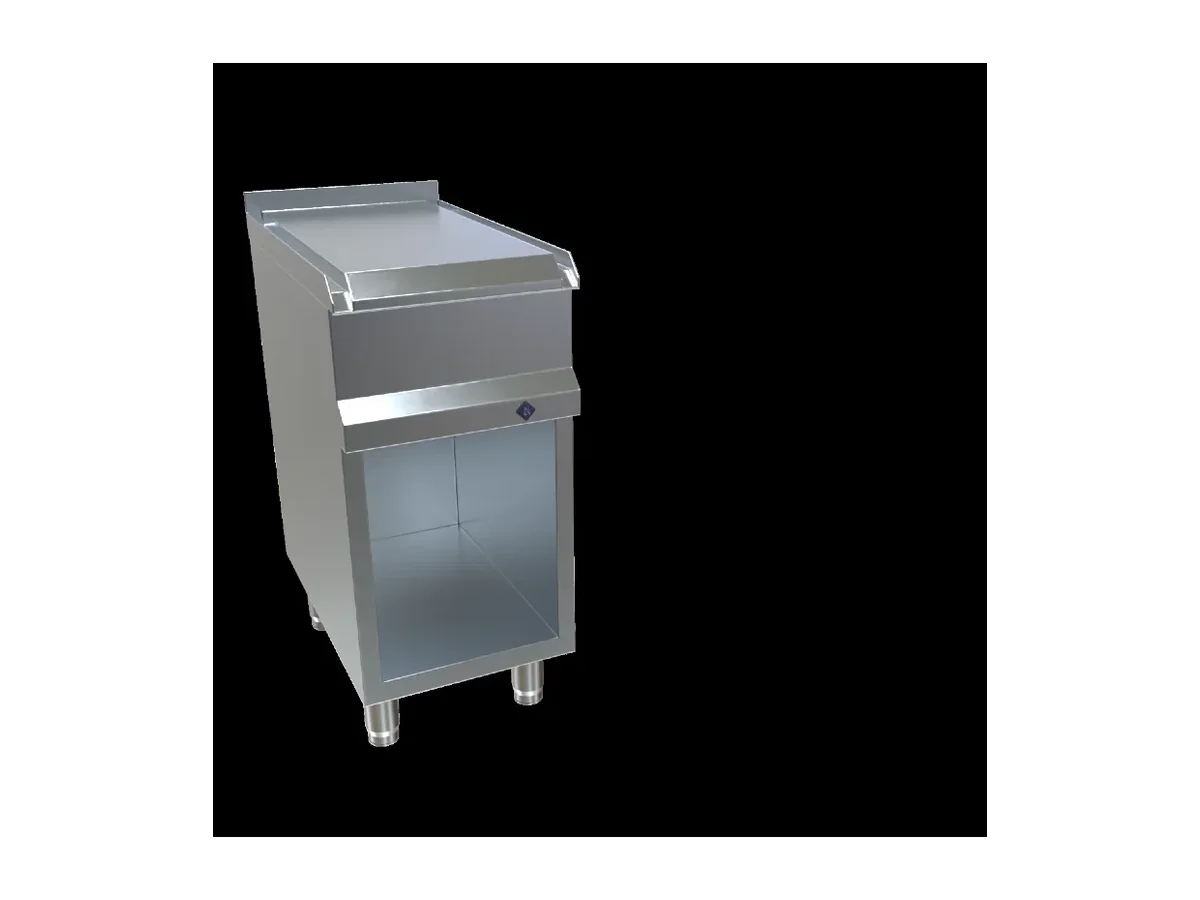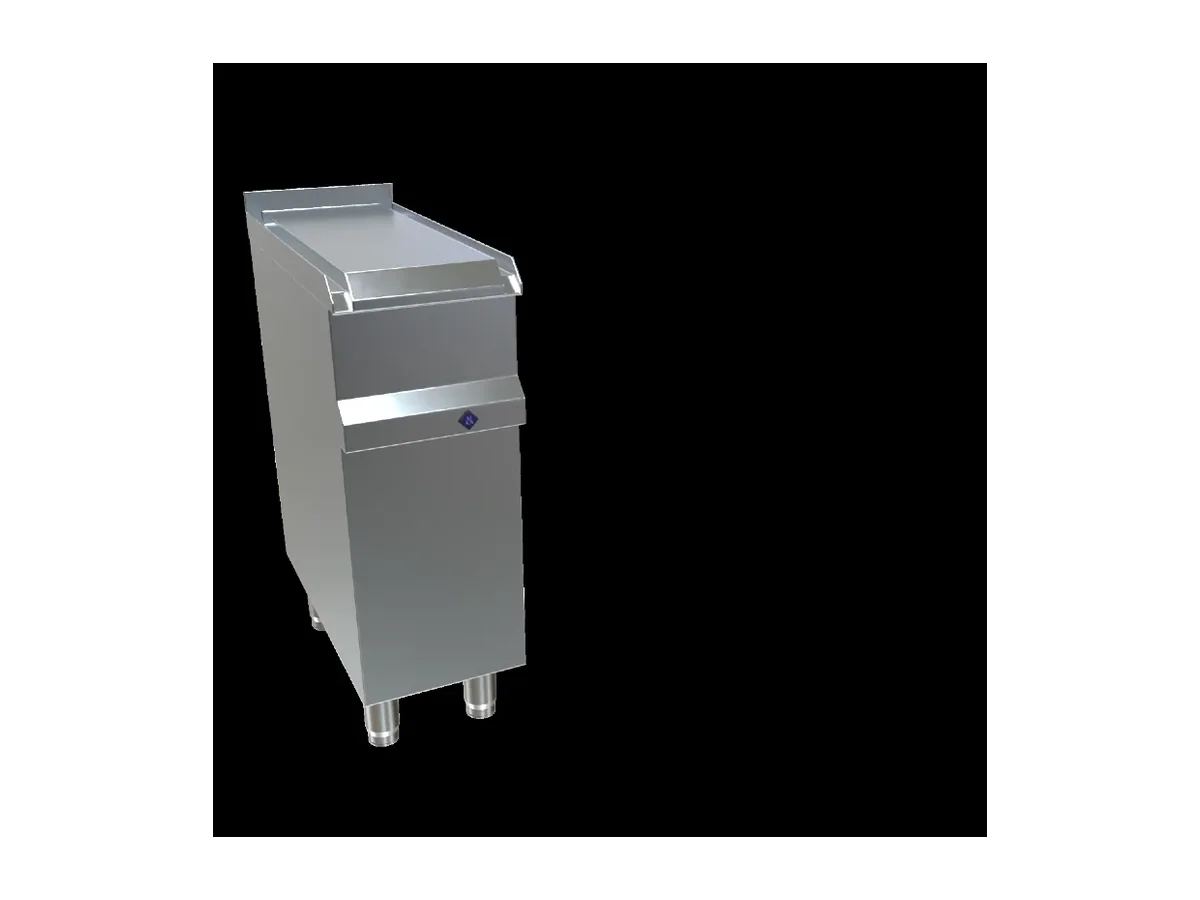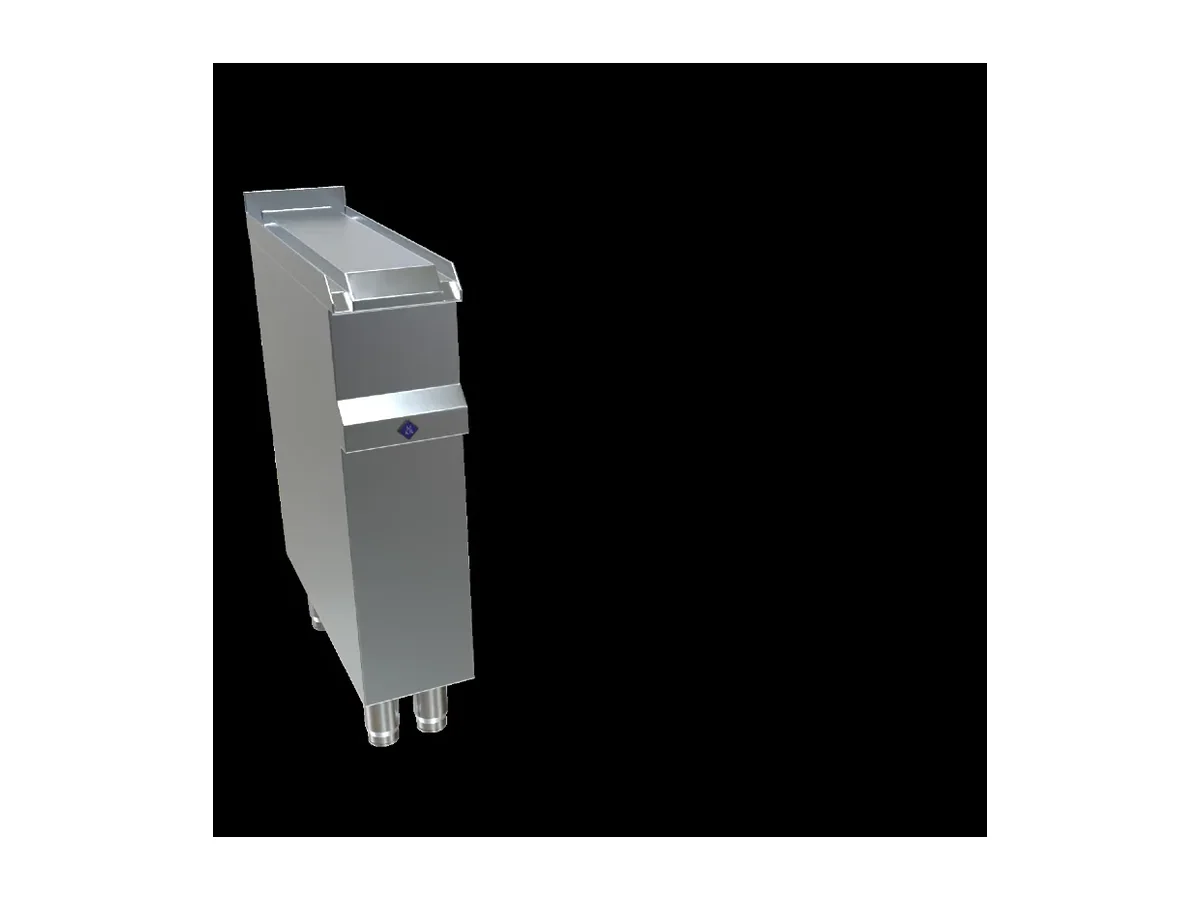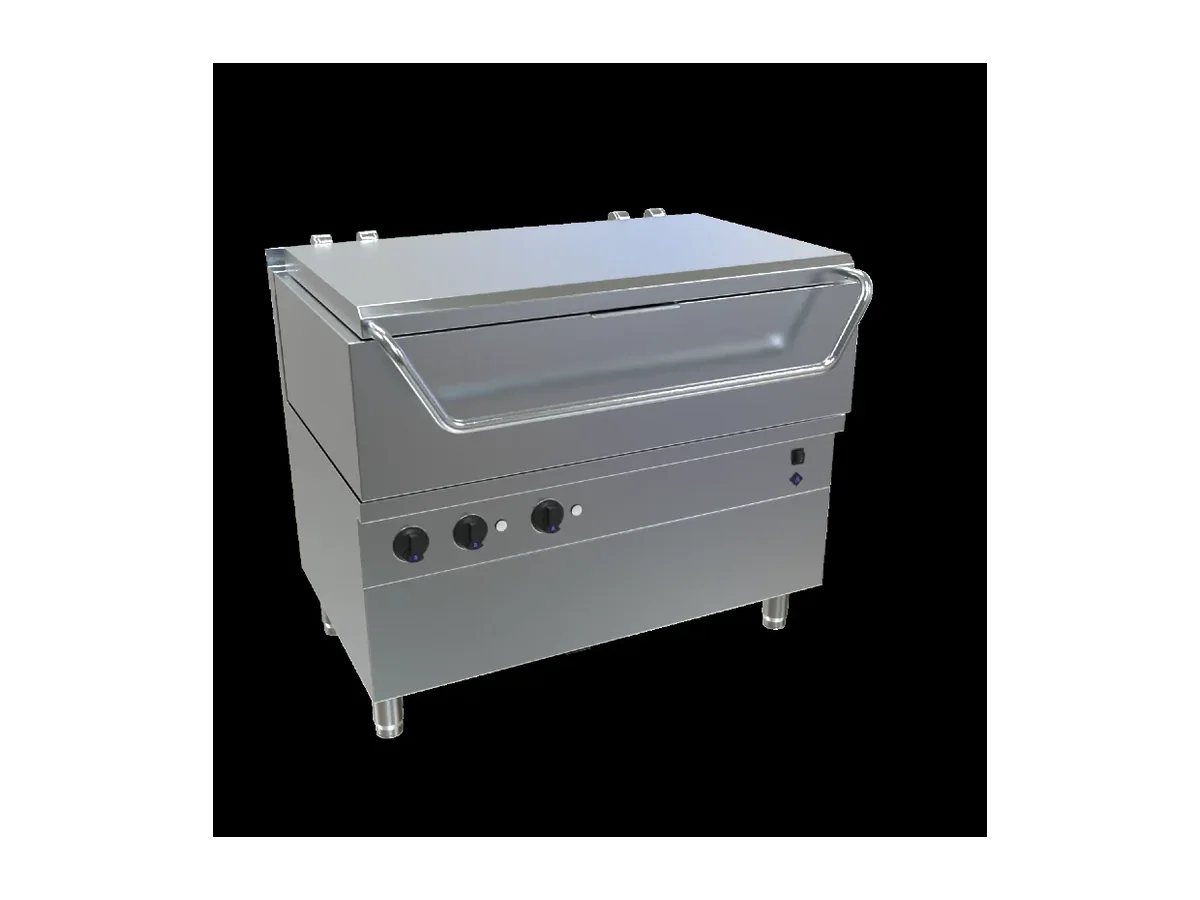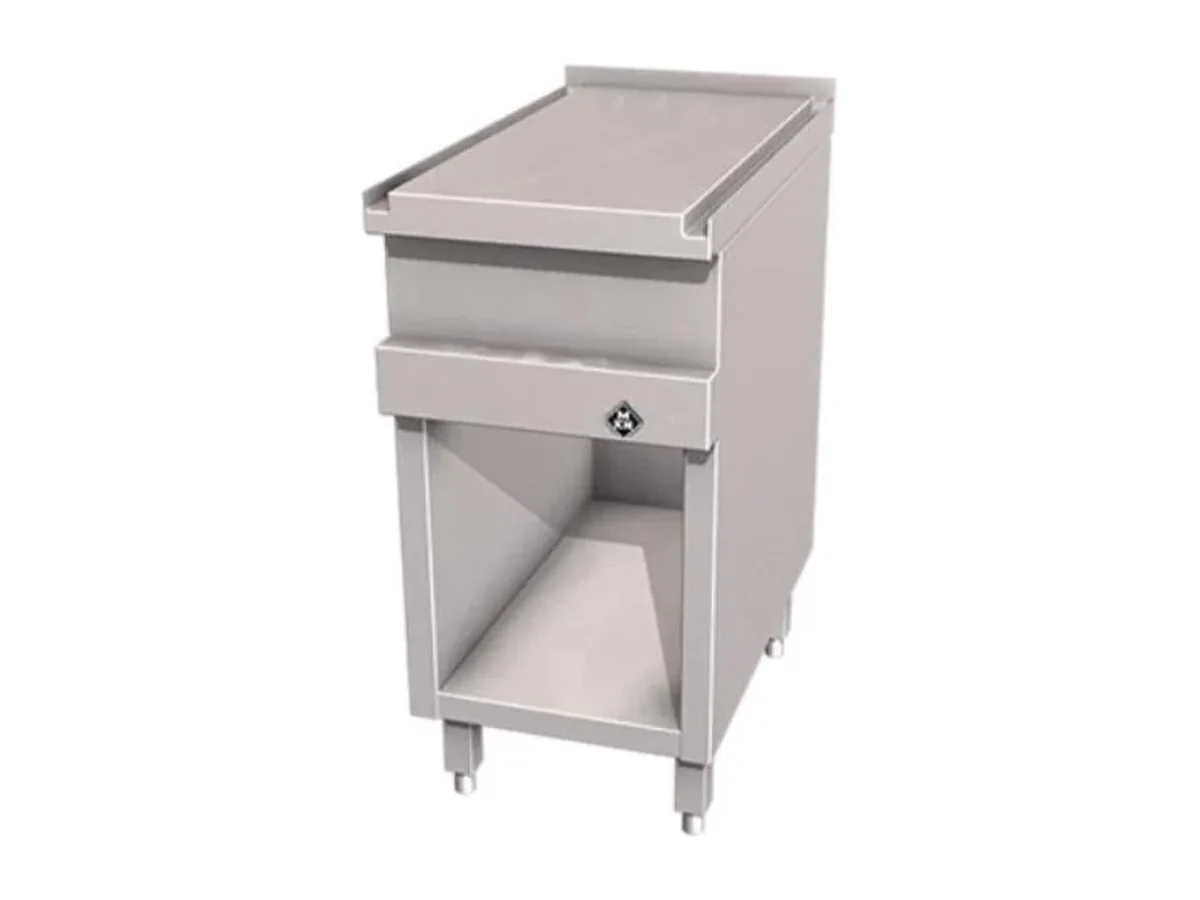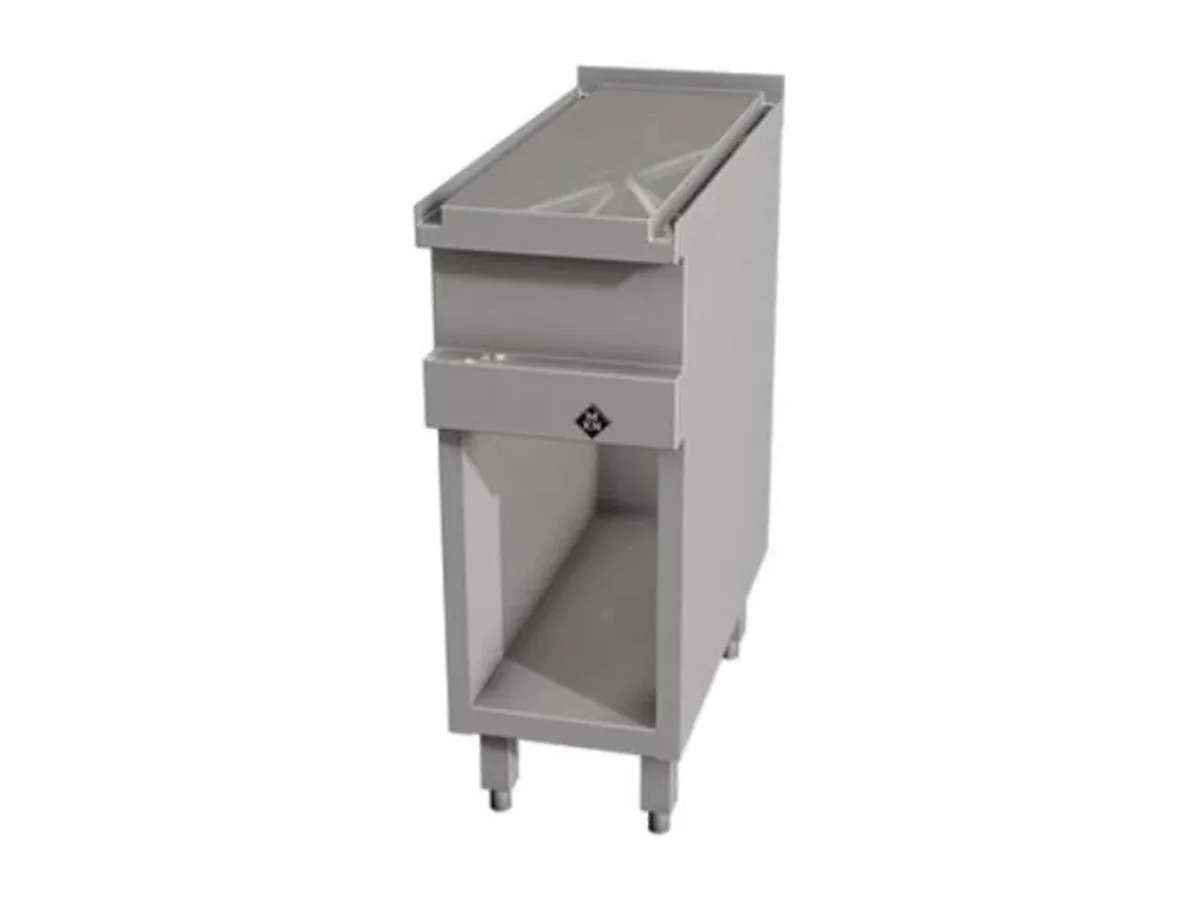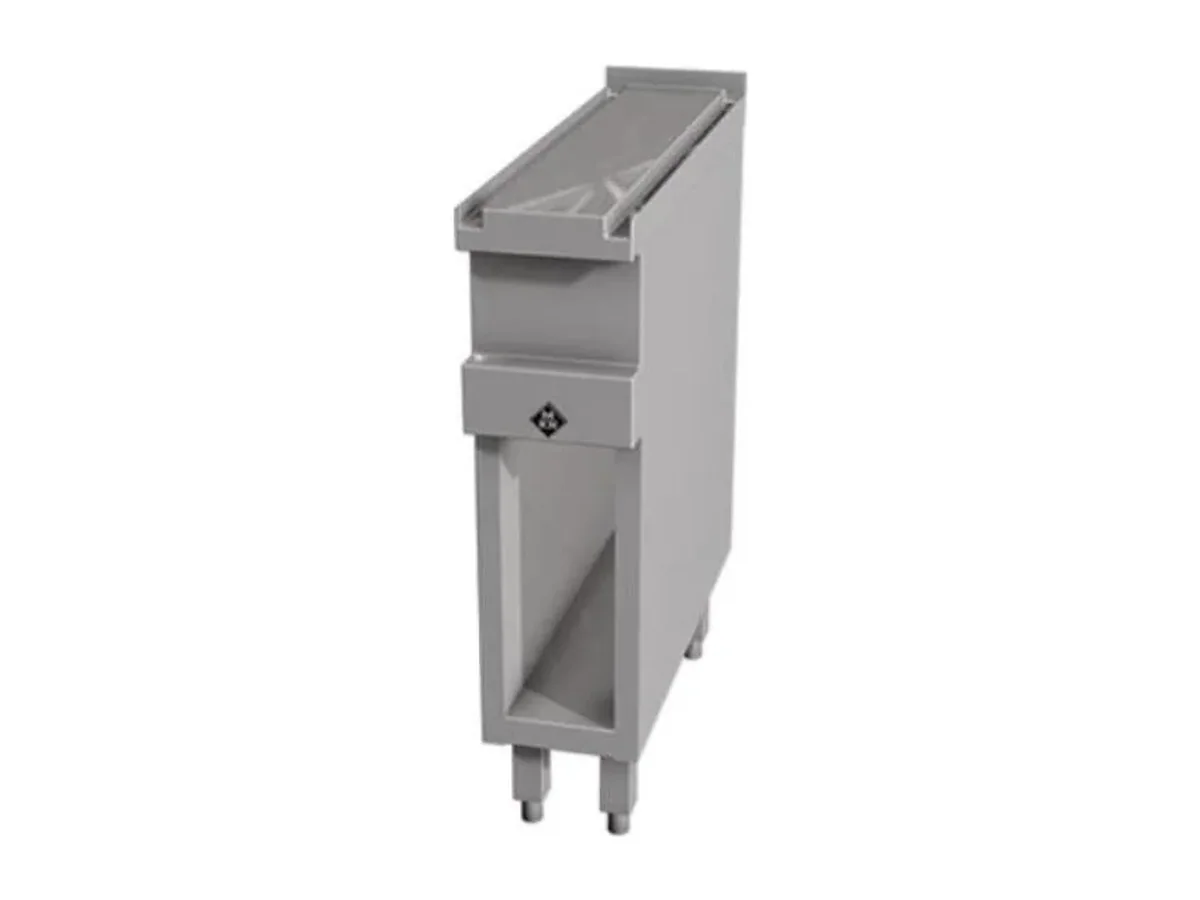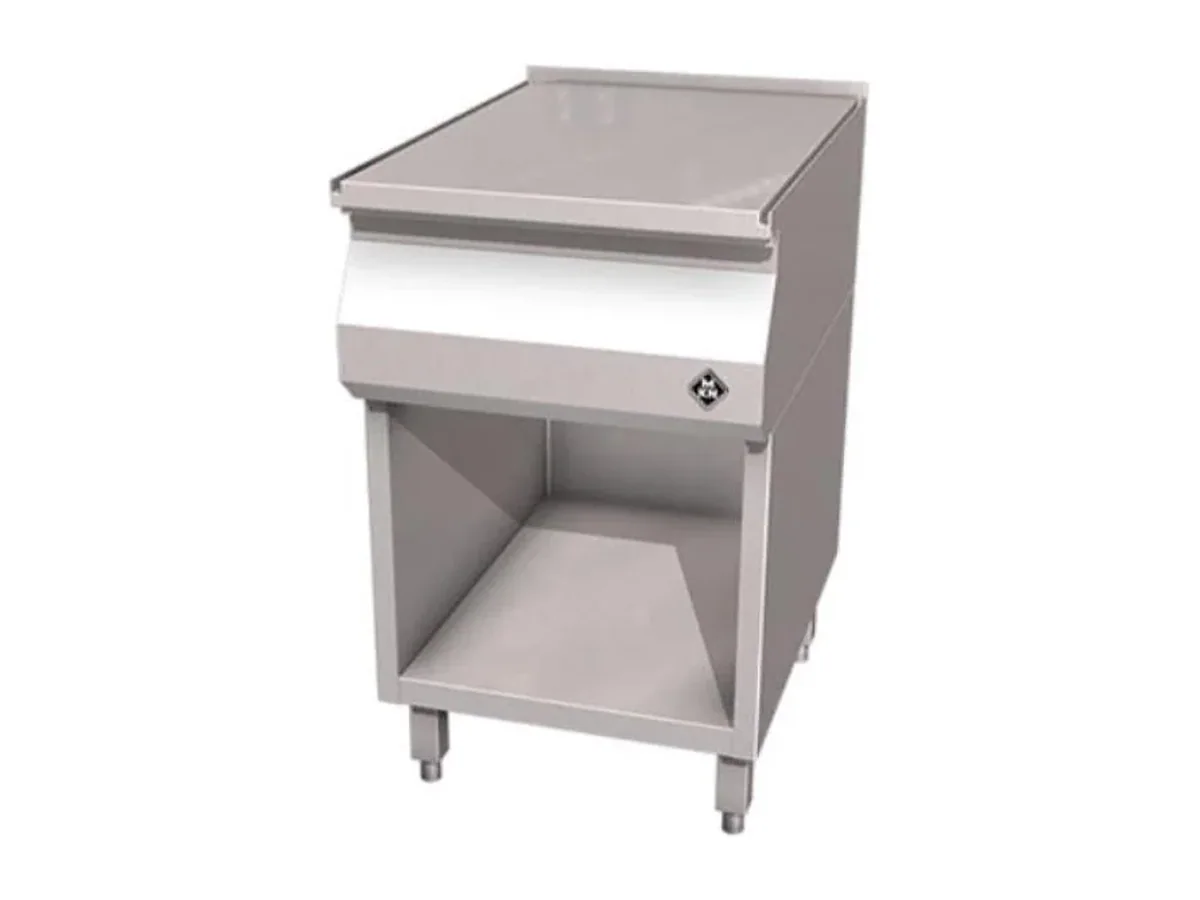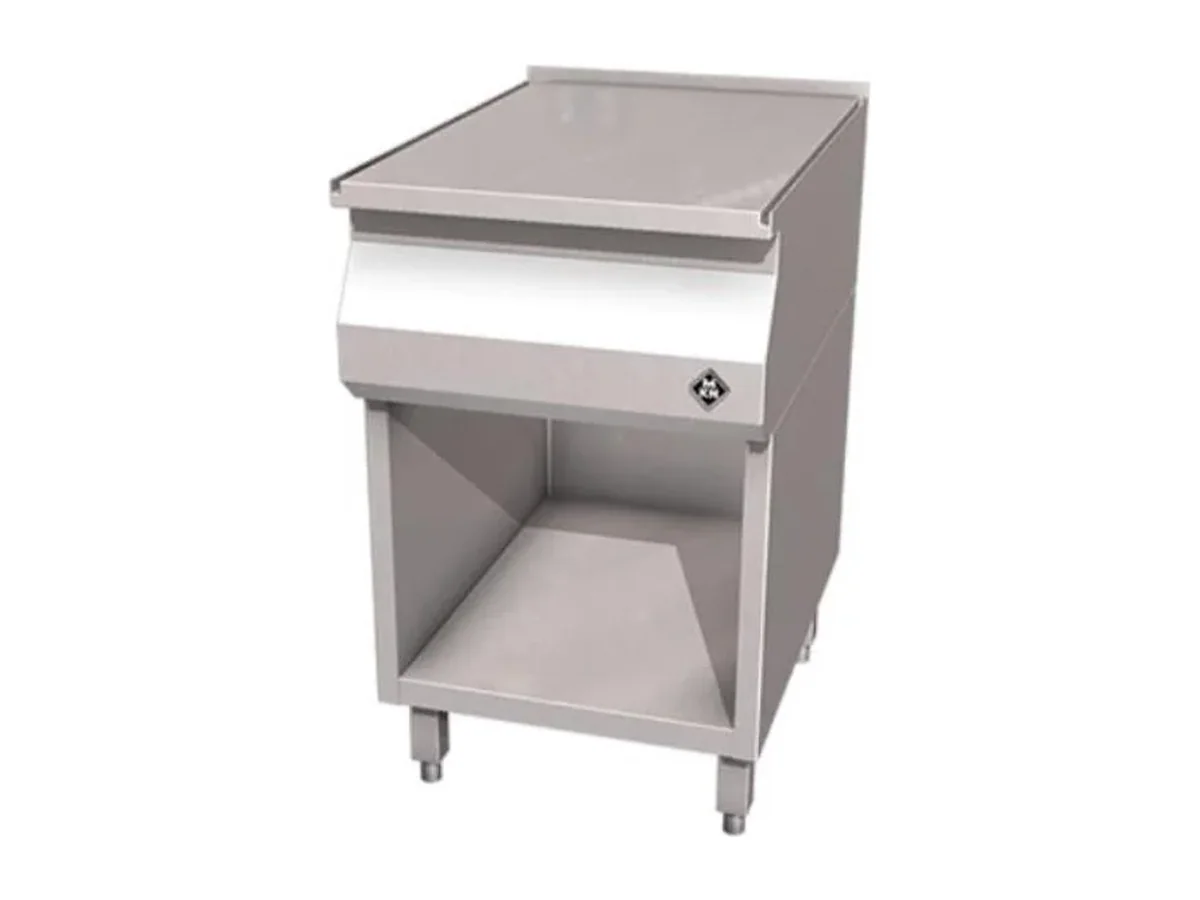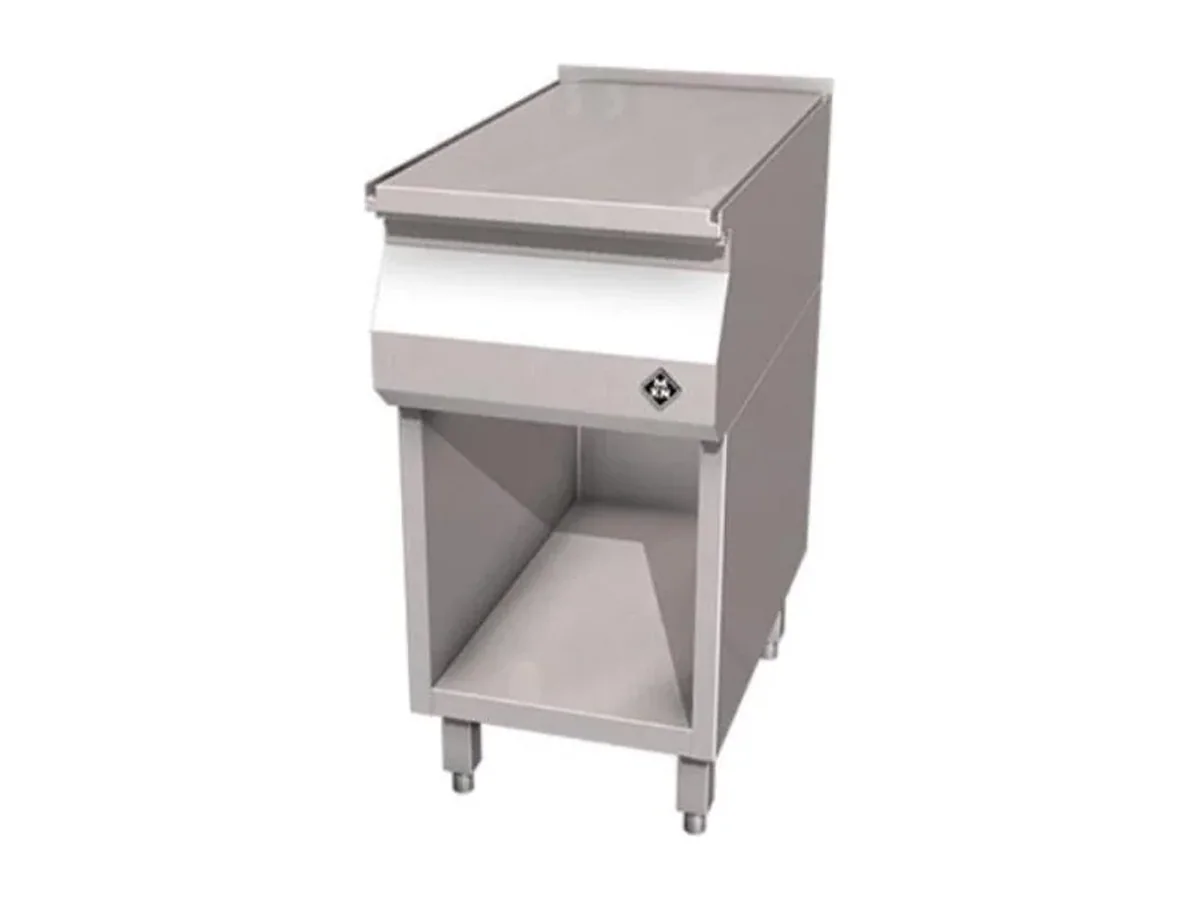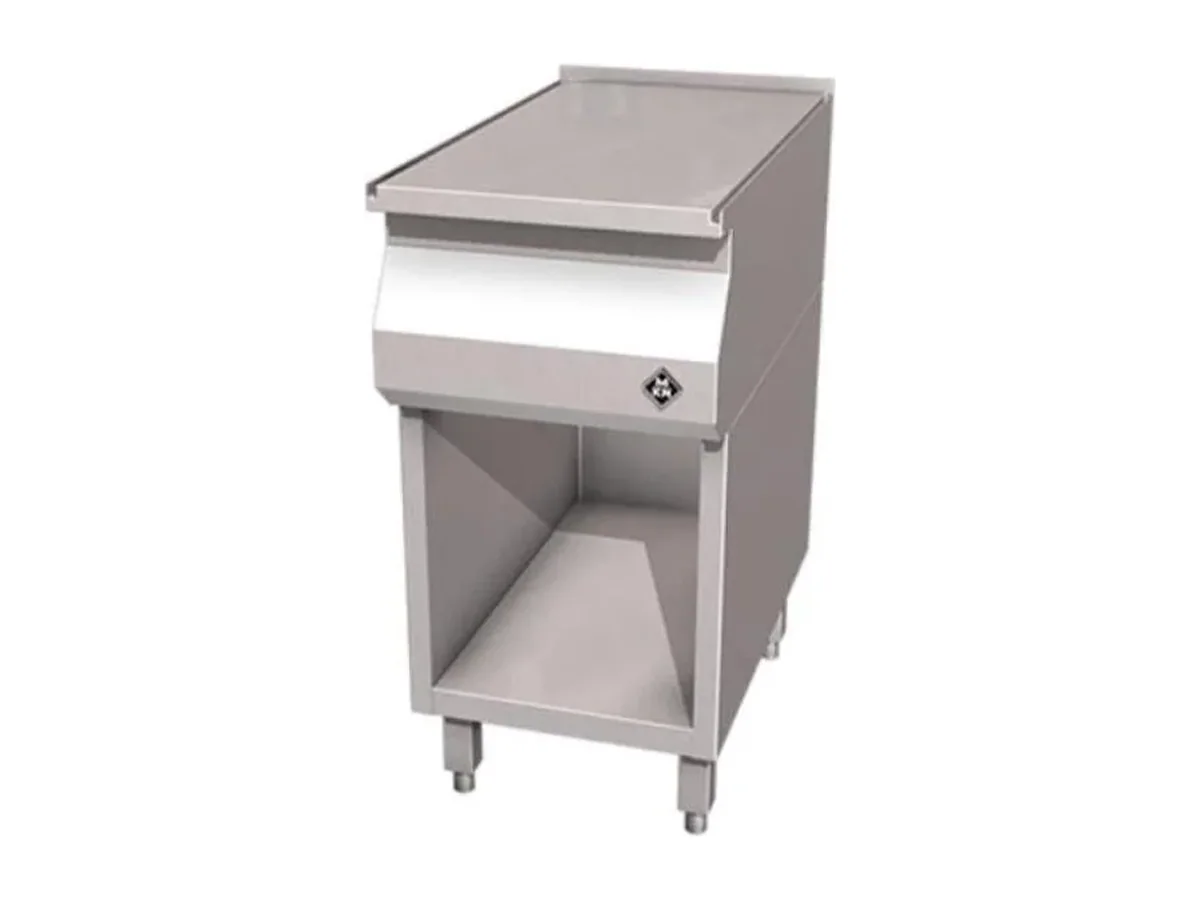
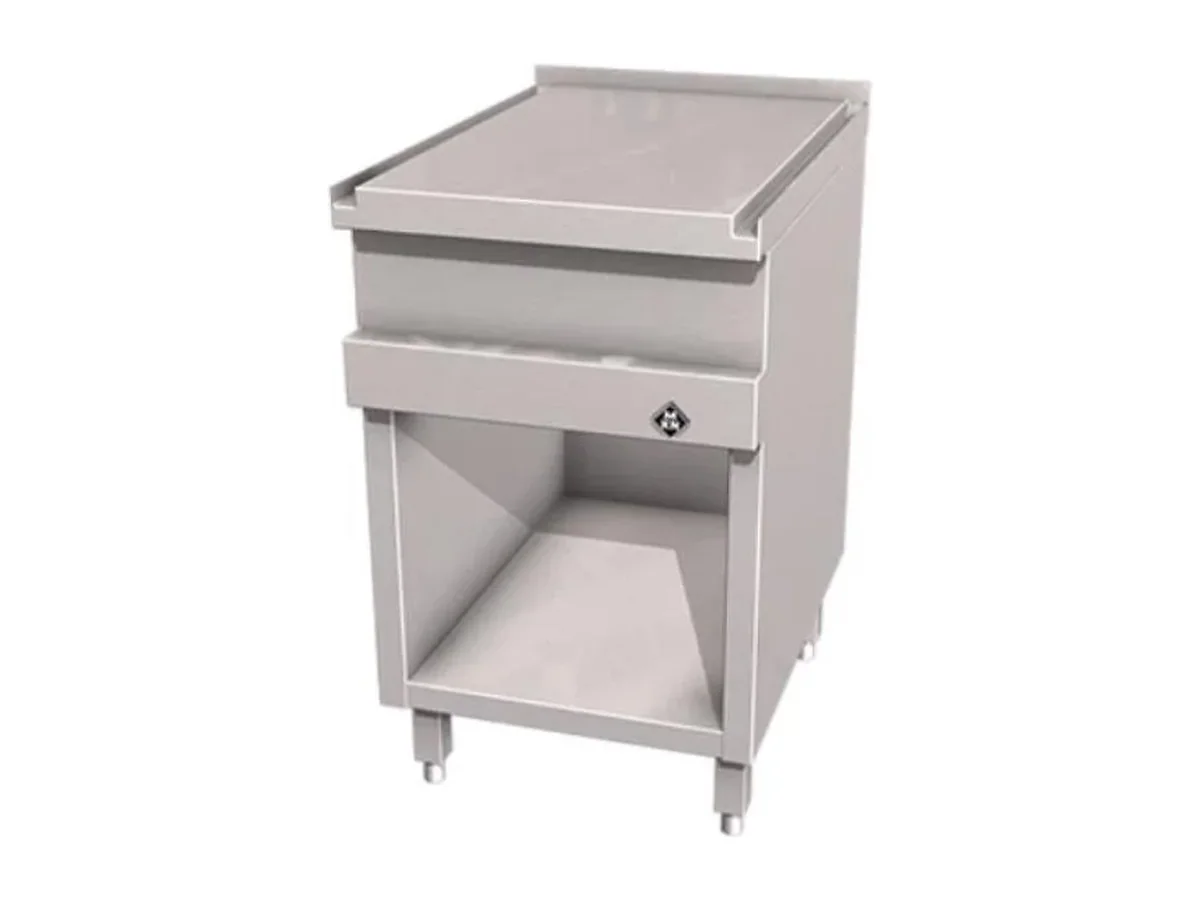
MKN Work Table 10018422 – Optima 700
Optima 700 stainless work table with 500 x 700 mm top and 36 kg net weight in 1.4301 (AISI 304). MKN 10018422.
500 x 700 x 700 mm
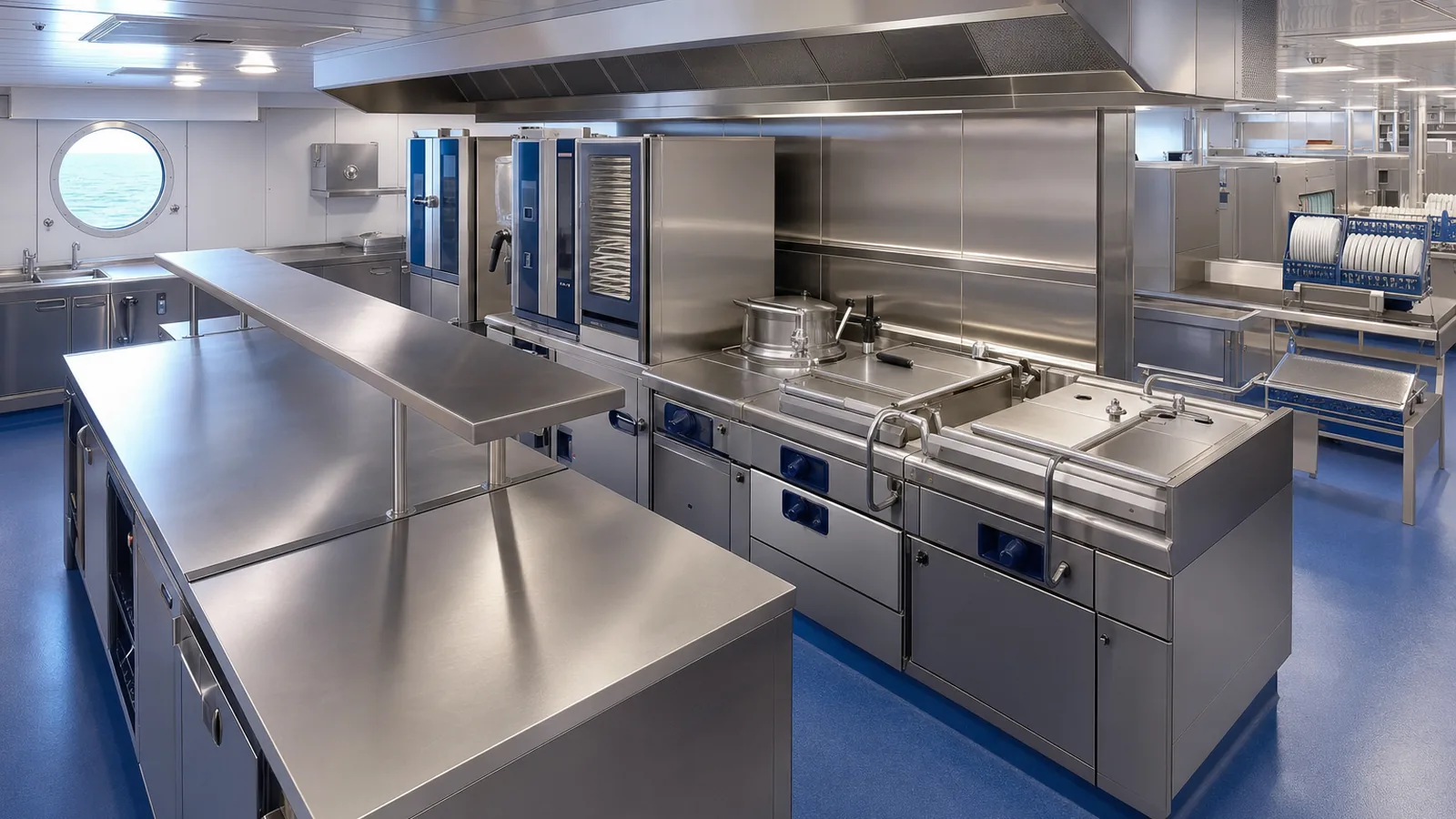
Galley equipment built in AISI 304 and AISI 316L stainless steel: boiling kettles, bratt pans, pasta cookers, cooking vats and work tables.
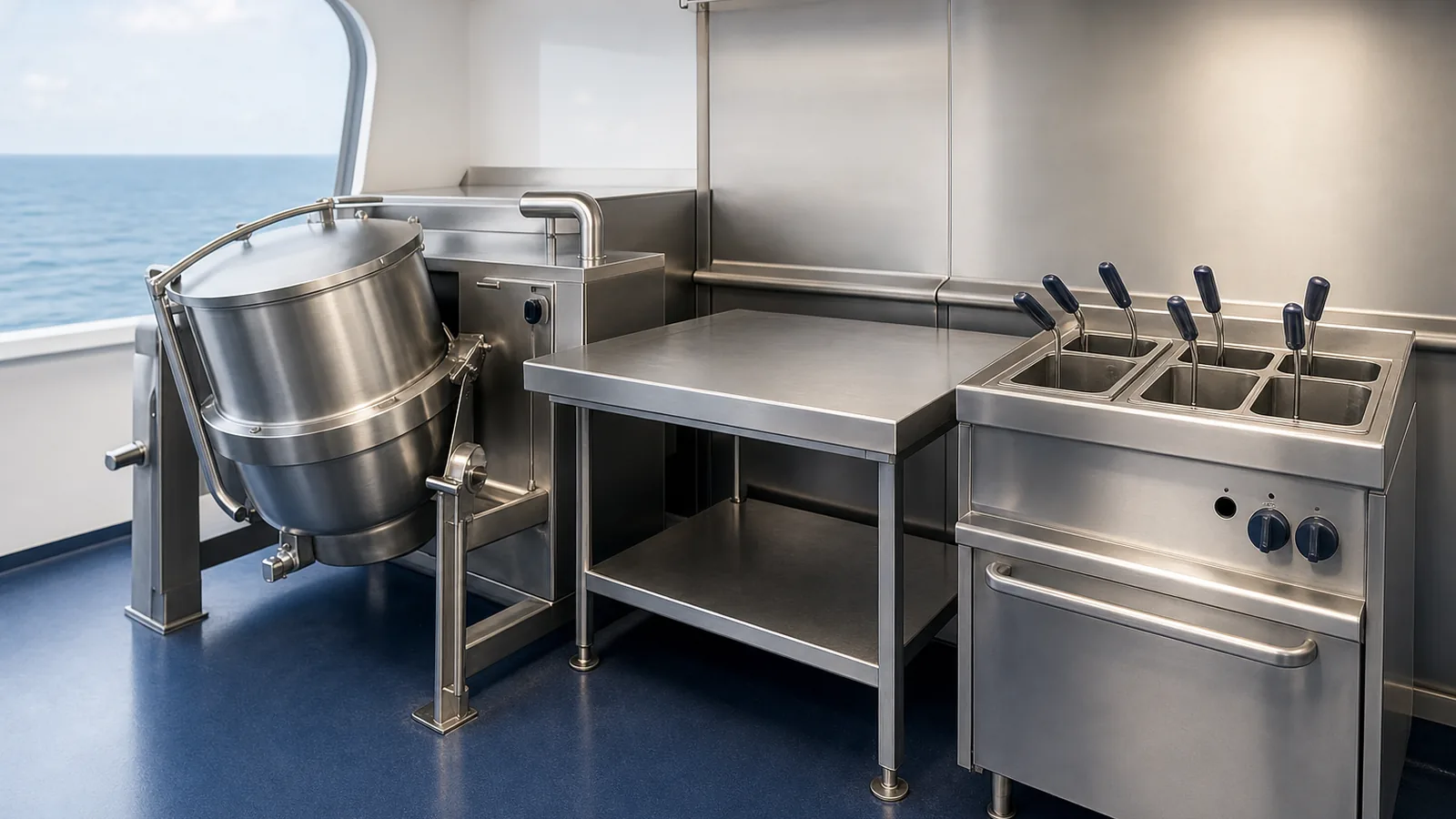
Optima 700 stainless work table with 500 x 700 mm top and 36 kg net weight in 1.4301 (AISI 304). MKN 10018422.
MKN work table 7NART0120X with fully welded seams and radiused internal corners for hygienic galley cleaning.
MKN work table 7NART0100X with radiused internal corners and fully welded seams for hygienic marine galley workstations.
MKN 7NART080X welded work table with radiused internal corners for easy, hygienic galley cleaning.
MKN work table 7NART060X with fully welded seams and radiused internal corners for hygienic galley prep lines.
MKN 7NART050X work table with fully welded seams and identical article/MKN code for straightforward project documentation.
MKN 7NART040X stainless work table with fully welded seams for hygienic marine galley installation.
MKN 7NART030X work table with fully welded seams, identified consistently as article and MKN code 7NART030X for clean specification.
Optima 700 neutral work table 7NART020X with fully welded seams to match the MKN Optima 700 cookline.
129-litre electric tilting unit with 20 kW MaxPower and 380–415 V supply, MKN article 7EPKU032XMM, with 1.4404 (AISI 316L) wetted parts.
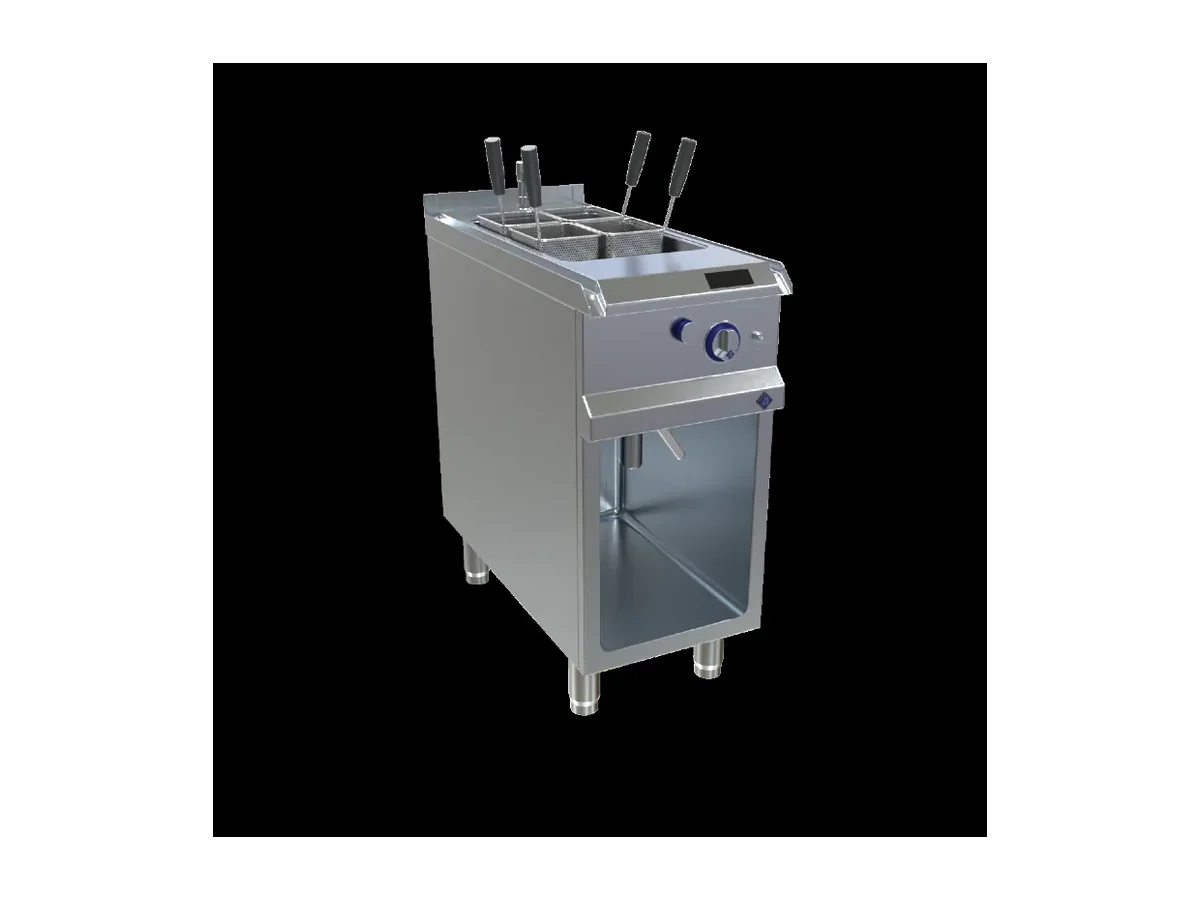
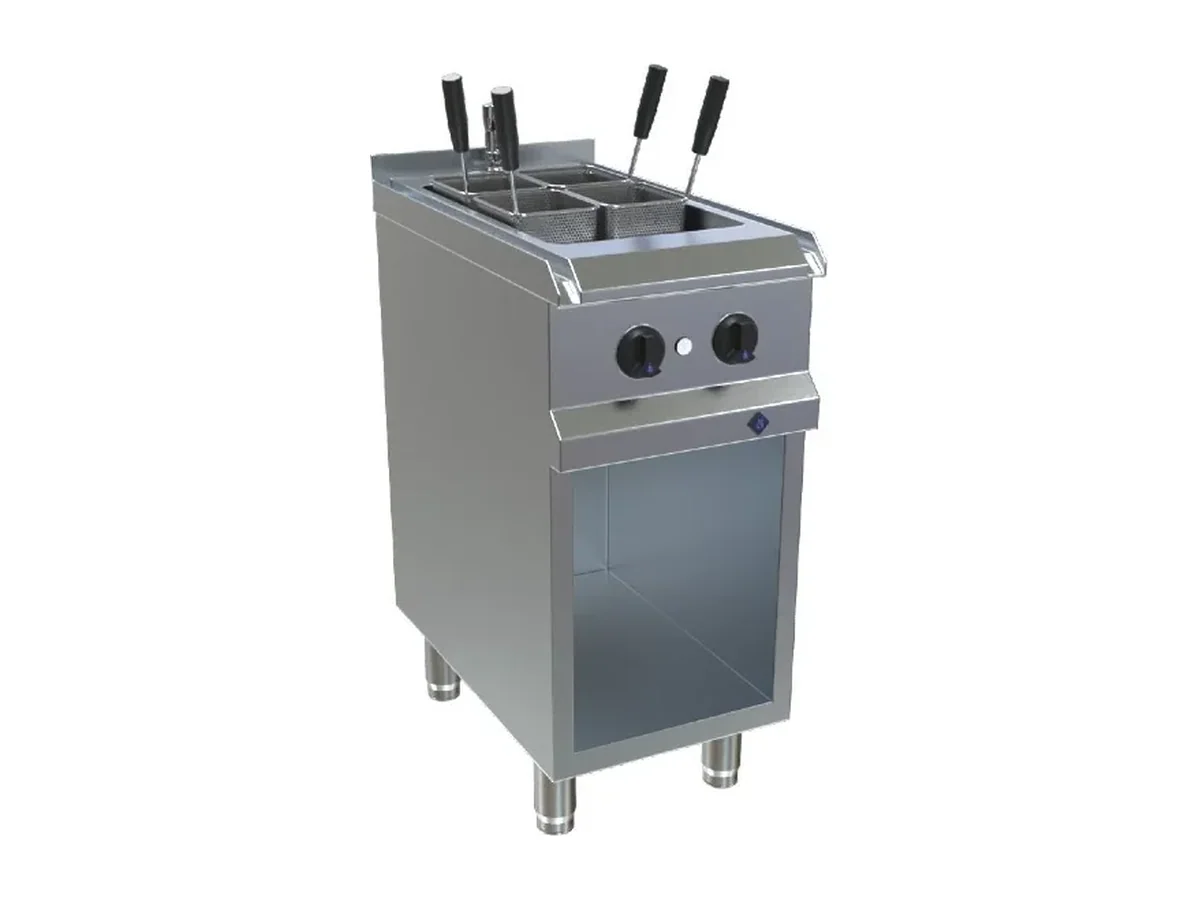
Electric pasta cooker 8EMKO111D, 7.2 kW at 380–415 V, accepting GN 1/1 containers with fully welded seams.
Optima 700 electric pasta cooker 7EMKO111X with single 32 l well at 7.2 kW and GN 1/1 container compatibility.
Optima 700 stainless work table, 400 x 700 mm footprint with 850 mm working surface height in 1.4301 (AISI 304). 10018327.
300 x 700 mm Optima 700 work table in 1.4301 (AISI 304), 850 mm work height, 20 kg net. MKN 10020158.
Optima 700 stainless work table 10019258 with 200 x 700 mm top and 16 kg net weight for alignment with 700 mm deep lines.
HotLine stainless work table 500 x 700 mm with 700 mm height, 36 kg net weight, in 1.4301 (AISI 304) throughout. Article 1303705.
500 x 700 mm HotLine stainless work table in 1.4301 (AISI 304), 700 mm high, 30 kg net weight. Article 1303702.
HotLine work table 1303704 with 400 x 700 mm surface, 700 mm height and GN 1/1 container compatibility in AISI 304 stainless steel.
400 x 700 mm HotLine work table in 1.4301 (AISI 304) stainless steel, 700 mm high, self-supporting closed construction. PNC 1303701.
At the heavy end of this category sit the MKN Optima 850 boiling kettles and Magnum multifunctional bratt pans. Within this series, capacities run from 60 to 500 litres, electrical power up to 63 kW and widths up to 2000 mm, with net weights topping out at 325 kg. On a main galley deck that weight and footprint drive how modules are grouped over stiffeners and how many portions a cook line can push through per batch.
Optima 850 also concentrates features: most of the hinged lids, drain valves and automatic water filling in this category are on this series, and every tilting vessel listed here sits within it. AISI 316L wetted parts are present on a subset of Optima 850 kettles, so where chloride load is high they are the natural shortlist when corrosion in the vessel is a concern.
Where depth is constrained, the Optima 700 series carries work tables, boiling kettles, bratt pans, pasta cookers and a cooking vat in a 700 mm body depth. Published capacities in this series run into three figures and electrical power up to 19.2 kW, with widths up to 1300 mm and net weights up to 195 kg. That makes Optima 700 a better fit along narrow bulkheads, pass galleys or refit projects where an 850 mm block would obstruct traffic or clash with existing coamings.
Optima 700 also carries several units with fully welded seams, drain valves and AISI 316L wetted parts. One Optima 700 unit is listed as GN container compatible and one as washdown protected, so both features are exceptions in this series rather than the rule. For vessels standardised on 400 V supplies, nearly all electrically heated Optima 700 units in this list specify 400 V, with one item published as 380–415 V.
At the smaller end of the range, CounterSL and HotLine units cover low-height and narrow work positions. CounterSL widths start at 200 mm, with net weights from 14 kg, so these pieces suit servery counters, finishing lines and snack points more than a ship’s main production galley. HotLine work tables and small cooking vats sit between 400 and 500 mm wide, again favouring tight runs and infill pieces in mixed suites. Both series offer fully welded seams and drain valves on selected models, with GN container compatibility where pans or vats are expected to double as staging for portioning.
The one Electrolux Professional unit here is a thermaline 90 work top, for integration with a thermaline 90 cooking block. It is a plain work surface in this catalogue, so it belongs in layouts where cutting, plating or light assembly are needed alongside the MKN heated equipment.
Across the category, electrical power on published data runs from 7.2 to 63 kW and capacities from 15 to 500 litres. That spread allows the same series to serve anything from a small crew galley to a large passenger vessel main kitchen by stepping through kettle volume and pan length. Widths from 200 to 2000 mm and net weights from 14 to 325 kg frame how these items sit over girders or plinths, and how much access is left for cleaning space in line with shipyard or owner’s standards.
Most electric units declaring a voltage in this range are built for 400 V supplies, with a minority quoting 380–415 V. Only a handful of products publish frequency data and these are 50 Hz, so where a vessel runs 60 Hz the electrical engineer has to match each data plate rather than assume dual-frequency operation. Where steam is available on board, the steam-heated kettles in this category trade a large electrical load for a steam connection.
Around a third of the listed products are classed as work tables rather than heated equipment. They sit mainly in the Optima 850, Optima 700, CounterSL and HotLine series and share the same stainless-steel build logic as the kettles and pans, but without electrical or steam connections. They are there to complete a line, provide landing space beside boiling and braising equipment and carry light preparation or plating work.
Where only a neutral surface is needed, the Work Tables sub-category is the better place to look instead: it shows those tables on their own, without the kettles and pans. The stainless-steel galley equipment on this page is primarily about cooking capacity, with work surfaces and tops organised around those heated centres.
Optima 850 units in this category run from 200 to 2000 mm in width at 850 mm depth, with net weights up to 325 kg. A 500 litre steam boiling kettle, for example, sits at 2000 mm width and should be planned over appropriate deck stiffening.
Most electric Optima 850 and Optima 700 units listed with a declared voltage specify 400 V, with a small number at 380–415 V. Only a few products state 50 Hz, so on 60 Hz vessels each data plate must be checked rather than assuming dual-frequency use.
AISI 316L wetted parts appear on 12 Optima 850 units and 4 Optima 700 units. 316L is chosen over 304 where chlorides are present, because it resists pitting better.
Yes, the CounterSL and HotLine series include work tables, cooking vats and pasta cookers at widths from 200 to 500 mm and net weights starting at 14 kg. Their narrow widths make them suitable for constrained spaces and serving counters.
The constraints that actually decide a galley specification — service, power, space, water, heat, motion, materials and compliance — worked through in the order they bite.
Read guideA walk through a working galley, station by station, and the equipment found at each: stores, preparation, the hot line, holding, warewashing and the laundry beside it.
Read guideWhat actually changes when a commercial appliance is built for a ship — supply, fixing, water protection, materials, hygiene construction, refrigerant and certification — and why shore equipment fails at sea.
Read guide