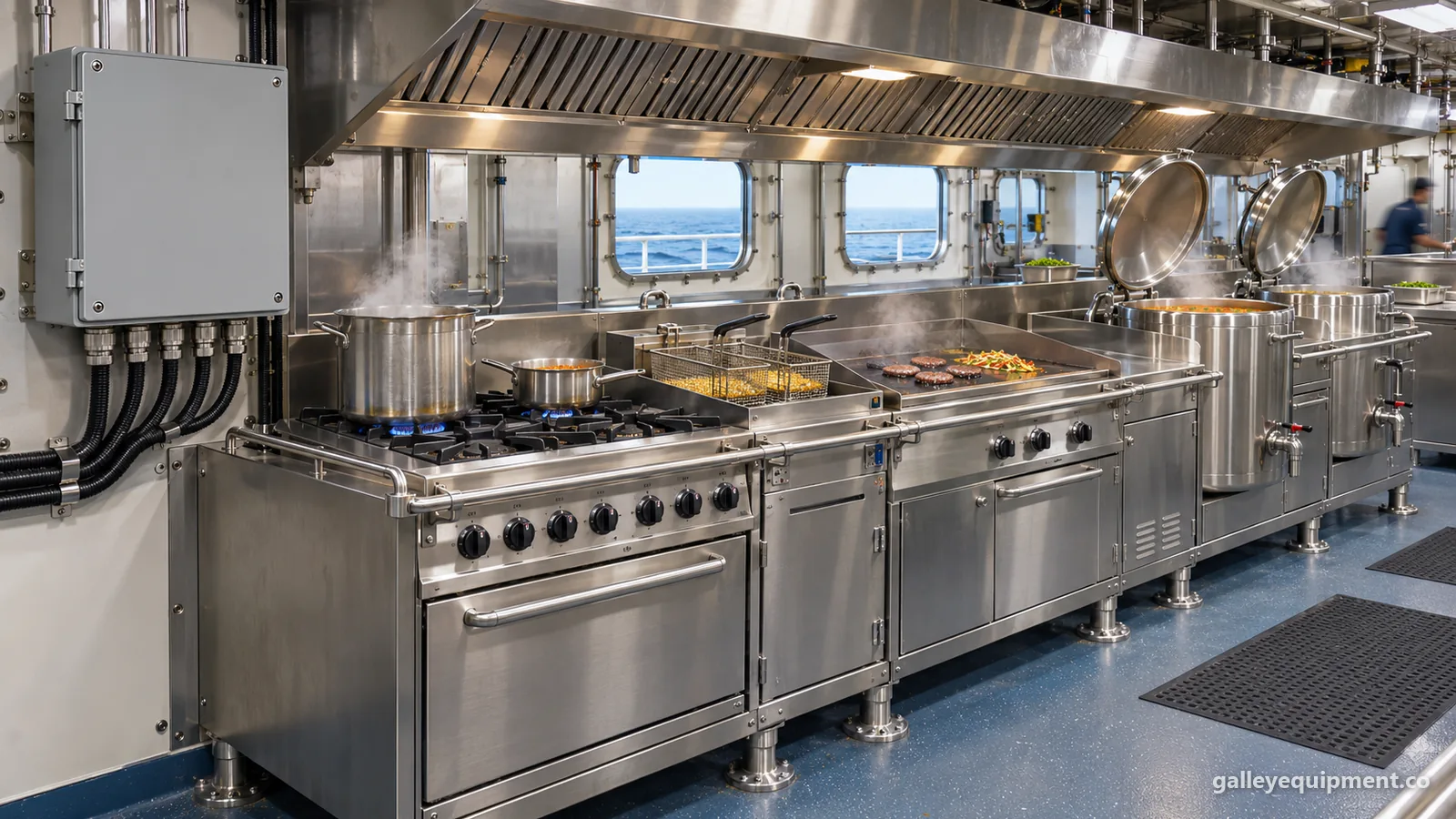
Three phases behind 203 galley cooking appliances
203 cooking appliances meet a single electrical condition: each one connects to a three-phase supply. That makes this three-phase marine cooking equipment page a phase filter first and a frequency filter second. 170 of the models carry a 50 Hz rating and 168 a 60 Hz rating, with many holding both, so the page serves a European-built yacht and an American-built supply vessel equally well.
The common thread is load. 70 models fall in the 10-20 kW band, 52 in the 20-40 kW band and 11 exceed 40 kW, against only 5 below 5 kW. Rated power runs from 0.6 kW to 70.2 kW. Appliances of that size are almost never built for a single-phase connection, because the current on one conductor would be impractical for galley cabling and switchgear.
Why do galley cooking appliances draw on all three phases?
Spreading a heating load over three conductors cuts the current in each one to a manageable figure. Take the MKN Cooking Module 7EPST032XM at 19.6 kW. Fed from 400 V across three phases, it pulls close to 28 A in each line; the same load on a single 230 V phase would need about 85 A. Thinner cables, smaller breakers and a balanced switchboard follow directly from that arithmetic.
Balance matters on a vessel more than ashore. Generators are sized for their total output, and a galley that loads one phase heavily while leaving the others light wastes capacity and raises voltage imbalance for every other consumer on the bus. A 3 phase oven, fryer or boiling pan with its elements split evenly across the phases avoids that problem by design.
Supply bands found in the three-phase list
The 440-480 V, 60 Hz band is the largest with 112 models, matching the main bus on most large merchant ships. The 380-415 V, 50 Hz band follows at 97, the supply many European-built yachts and workboats use.
| Supply band | Three-phase models | Common vessel context |
|---|
| 440-480 V, 60 Hz | 112 | Merchant ships and US-built tonnage |
|---|
| 380-415 V, 50 Hz | 97 | European-built yachts and workboats |
|---|
| 440-480 V, 50 Hz | 93 | 440 V plants on 50 Hz fleets |
|---|
| 380-415 V, 60 Hz | 52 | 400 V vessels running 60 Hz generators |
|---|
A model rated for several supplies appears in more than one row. Lower voltages are rare: 208 V, 220 V, 230 V and 240 V markings each appear on only 4 models, so a three-phase 230 V galley has a short list to choose from. Heating elements respond to voltage rather than frequency, yet fans and pumps in combi ovens do not, and our frequency notes for oven fans and pumps pinpoint which parts react to the change.
Electrolux Professional supplies 151 of the 203 models. Its thermaline 90 range alone accounts for 57, the 900XP modular line adds 26, and SkyLine combi ovens fill most of the rest: SkyLine Premium with 14 models, SkyLine PremiumS with 12, and SkyLine Pro and SkyLine ProS with 7 each. thermaline 90 is a heavy modular line built for continuous use, which suits a ship galley running three meal services a day.
MKN contributes 35 models, including 11 in its Optima 700 series, cooking modules such as the 7EPST022XM and 7EPST033XM, and electric griddle plates like the 8EGRP060DMGS at 9.6 kW with two heating zones. The MKN marine cooking catalogue shows the full module range. Note that the MKN examples on this page are listed for 380-415 V at 50 Hz; a 60 Hz vessel should confirm the frequency on each MKN product before shortlisting it.
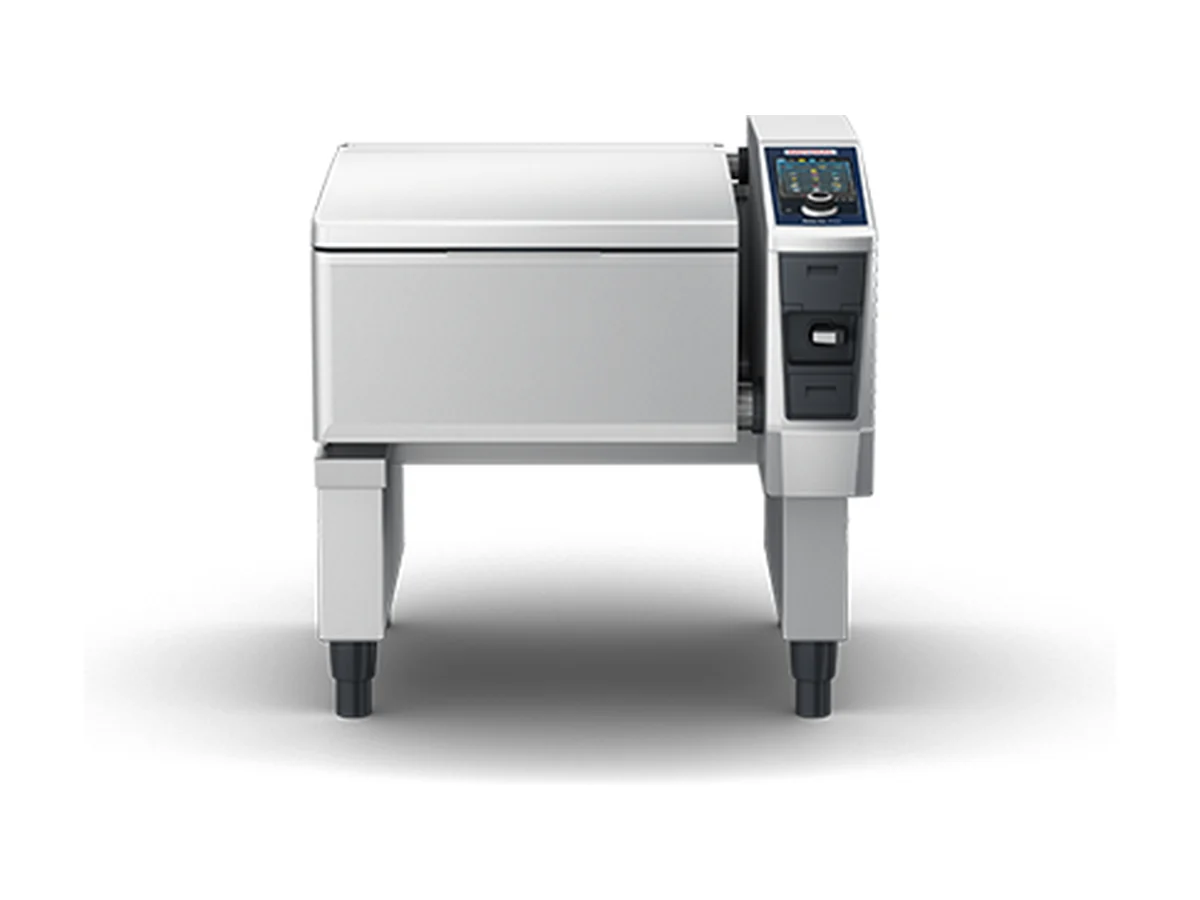
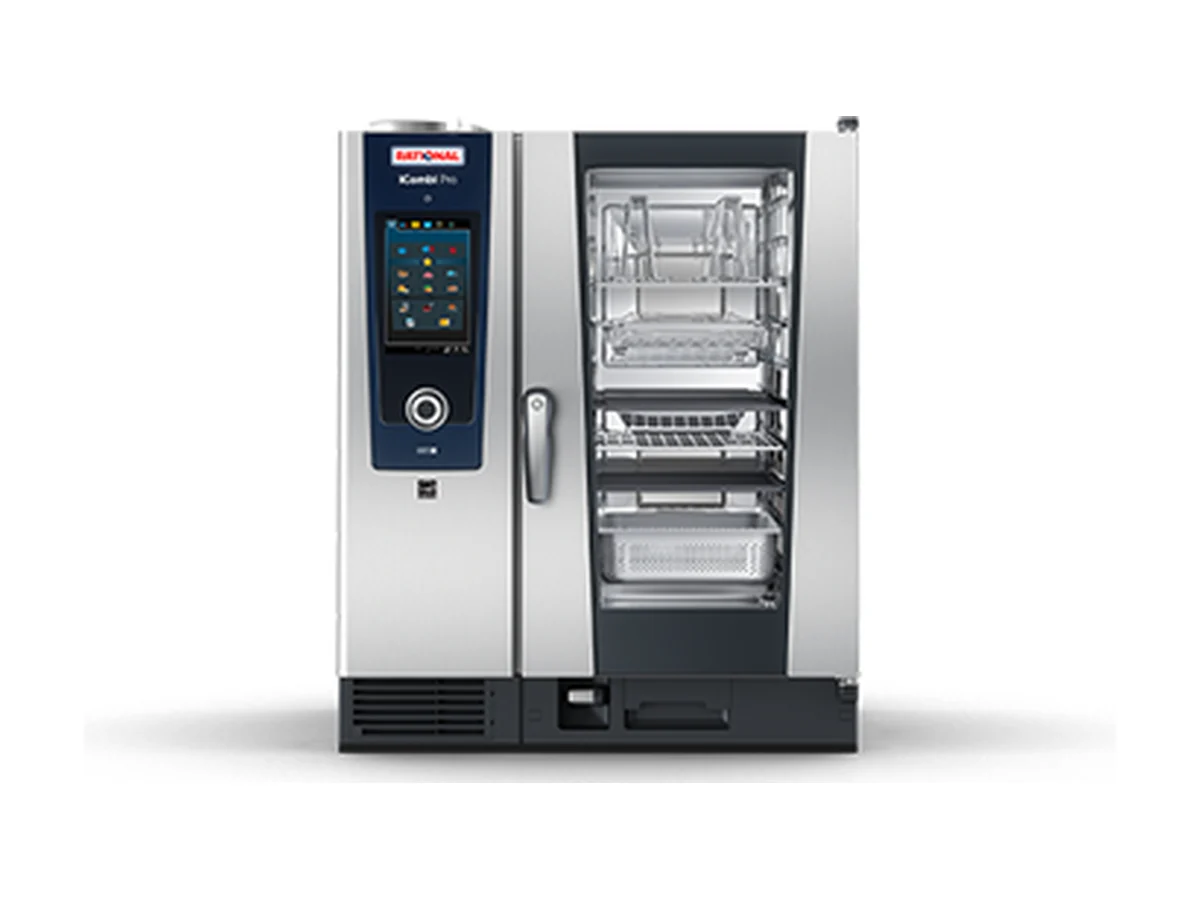
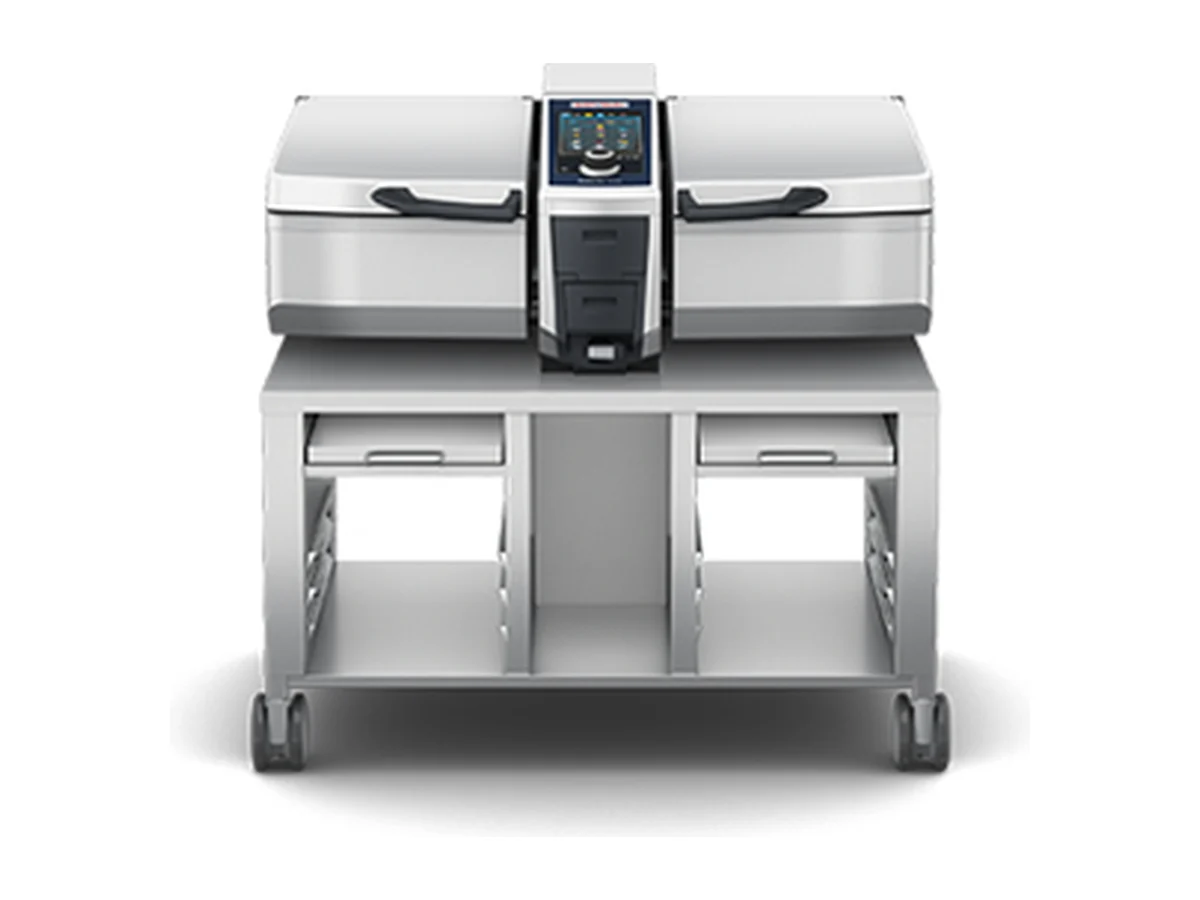
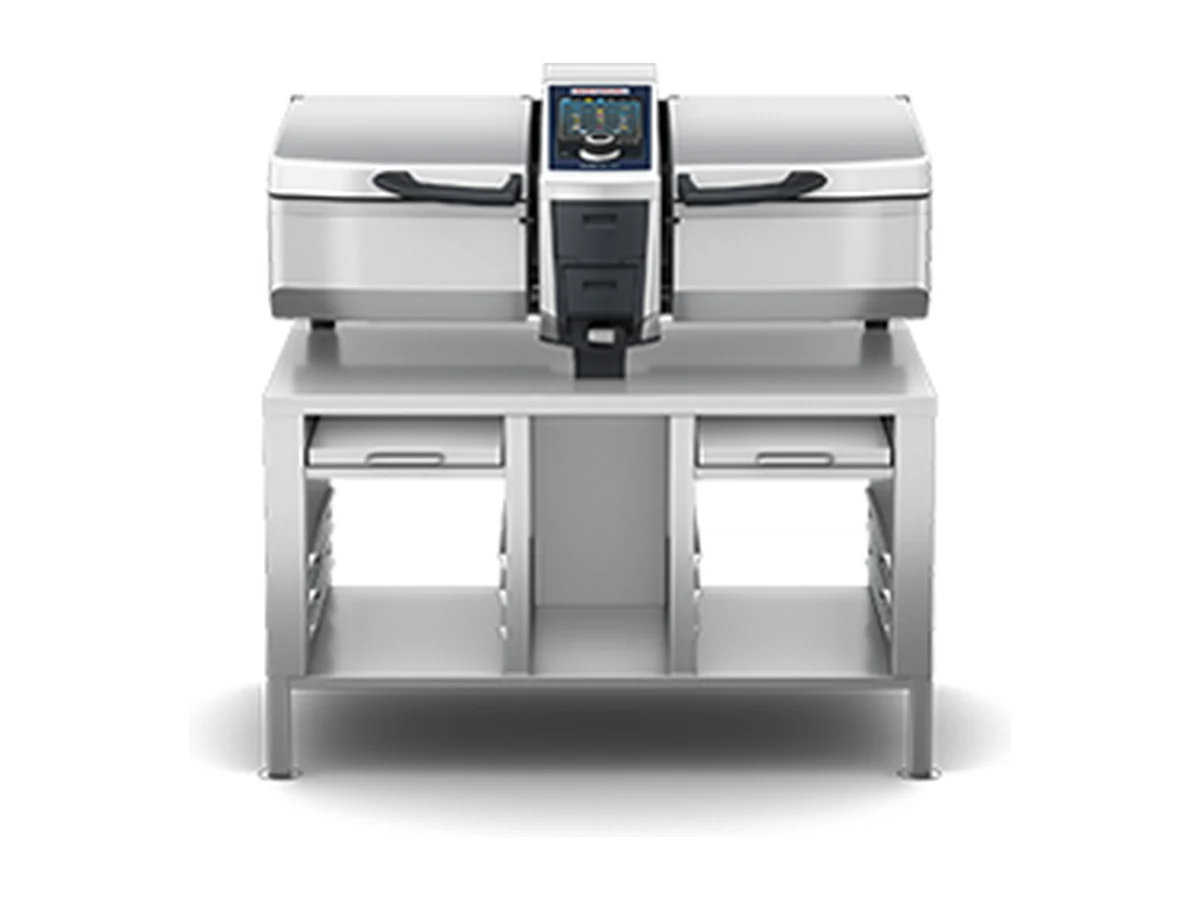
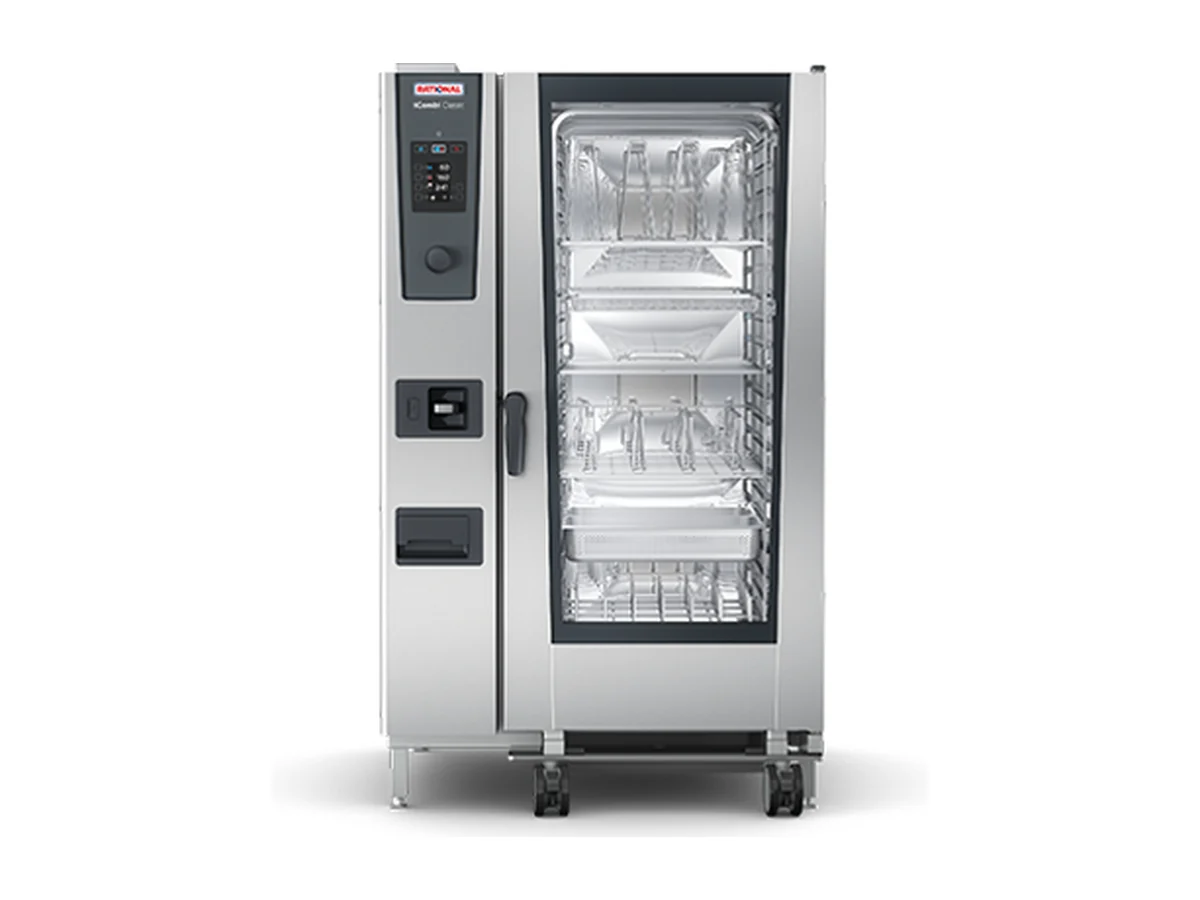
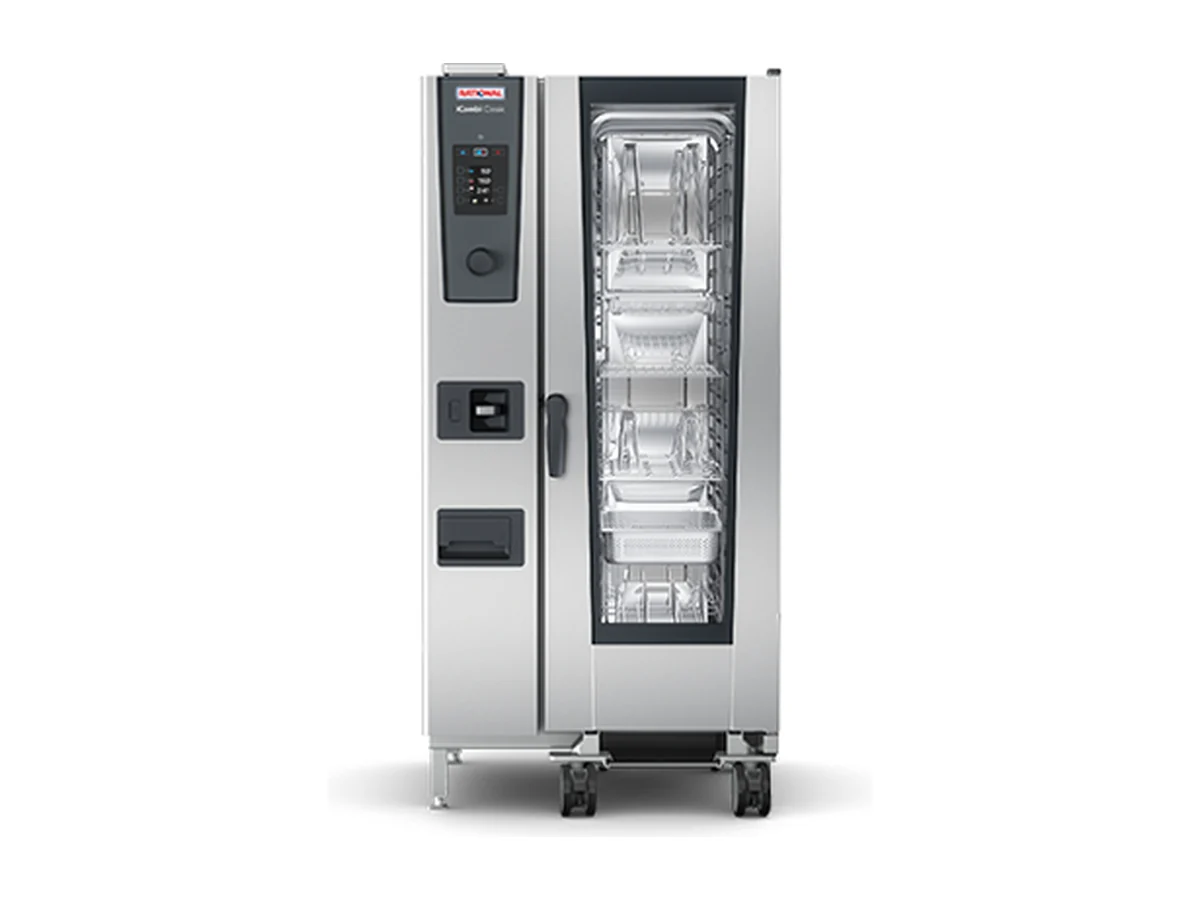
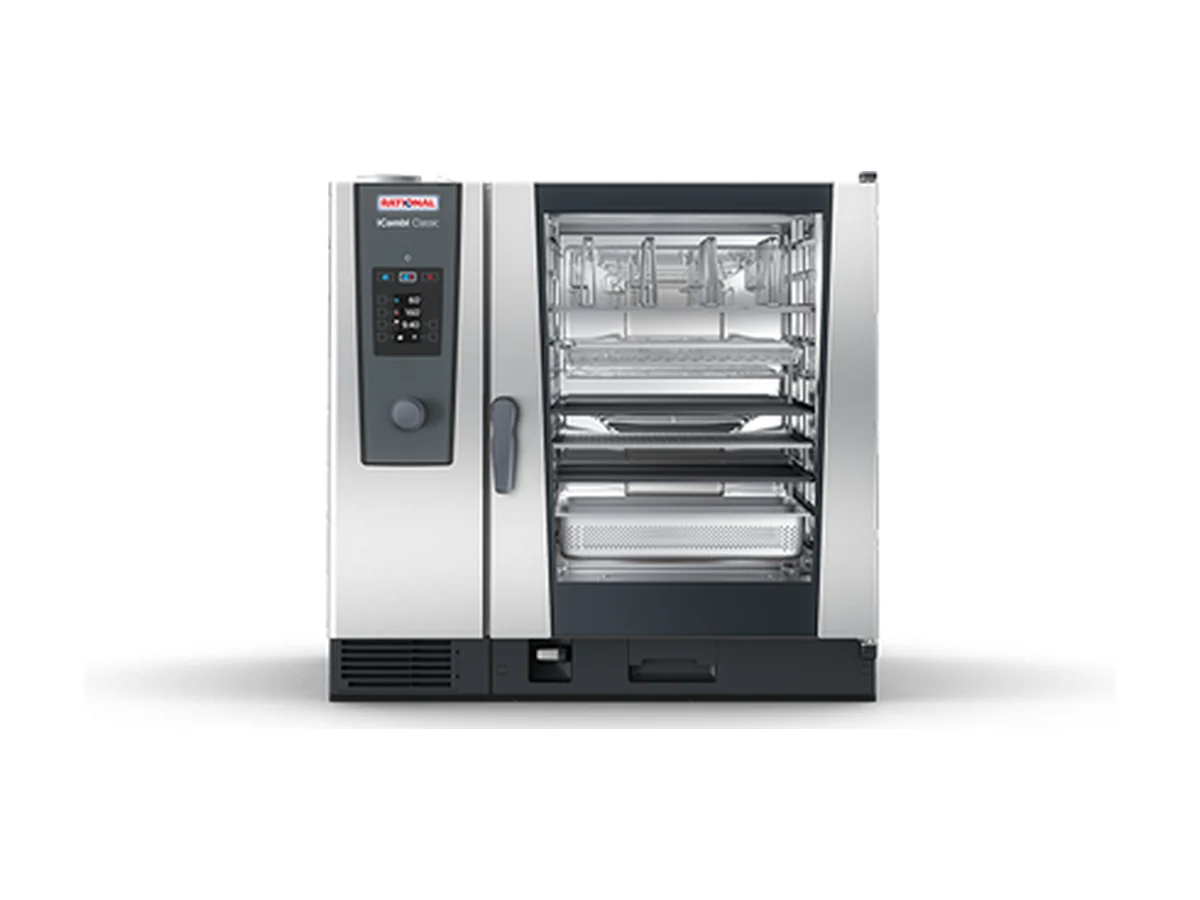
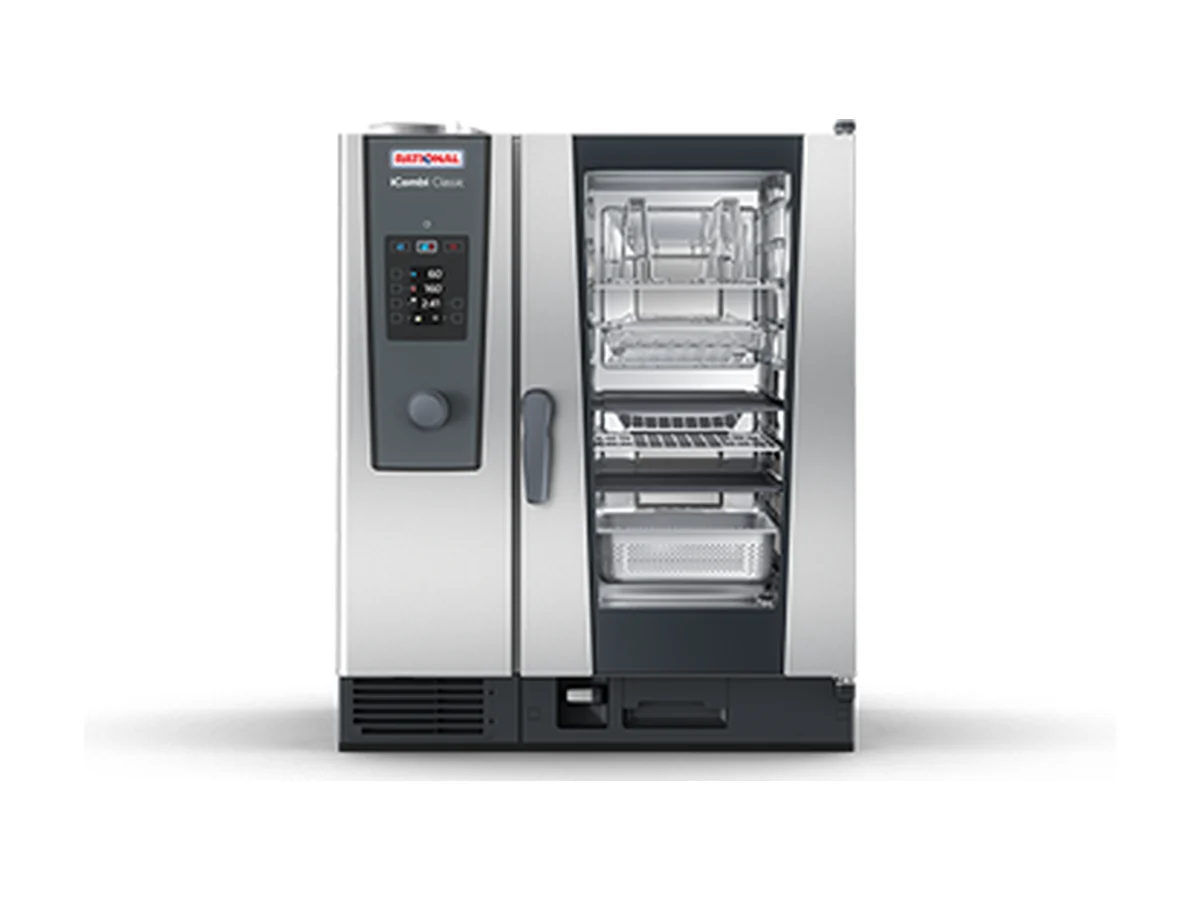
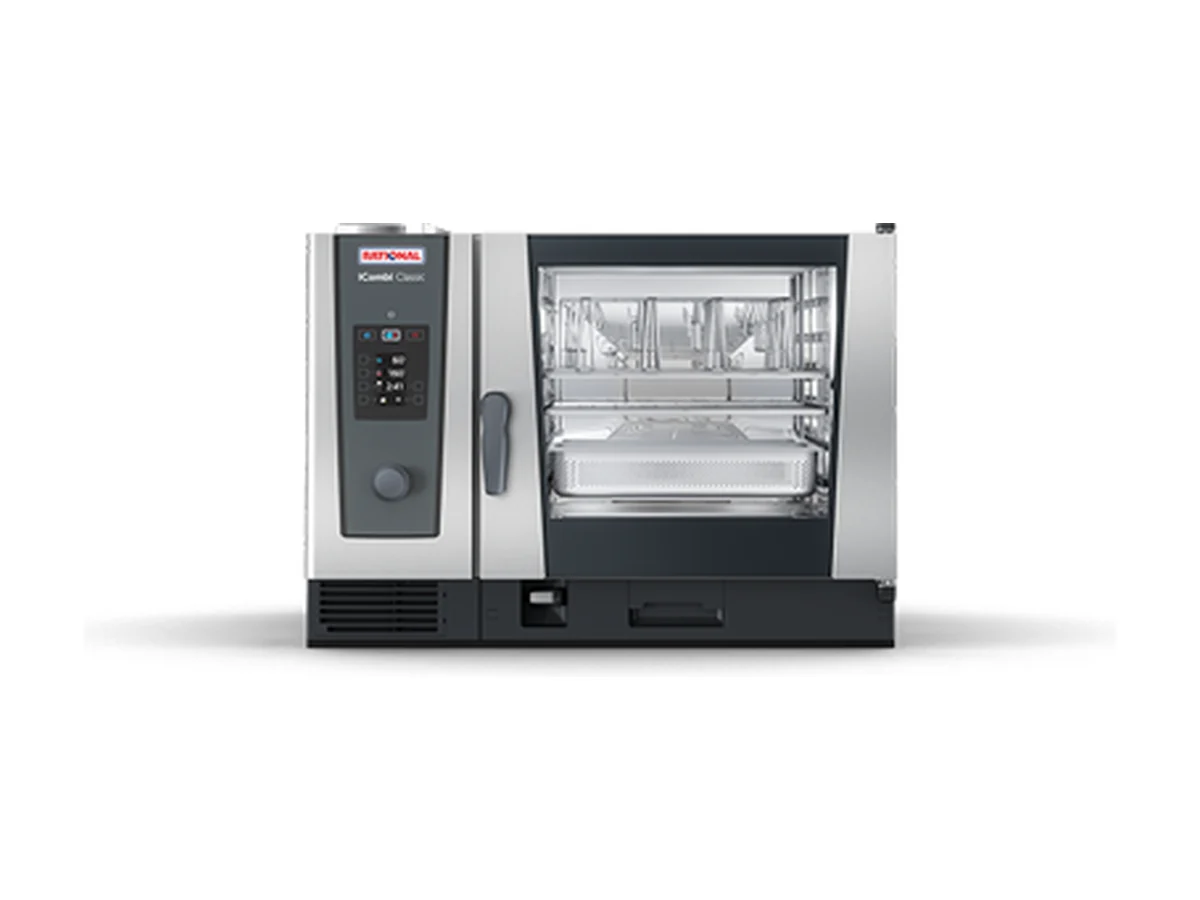
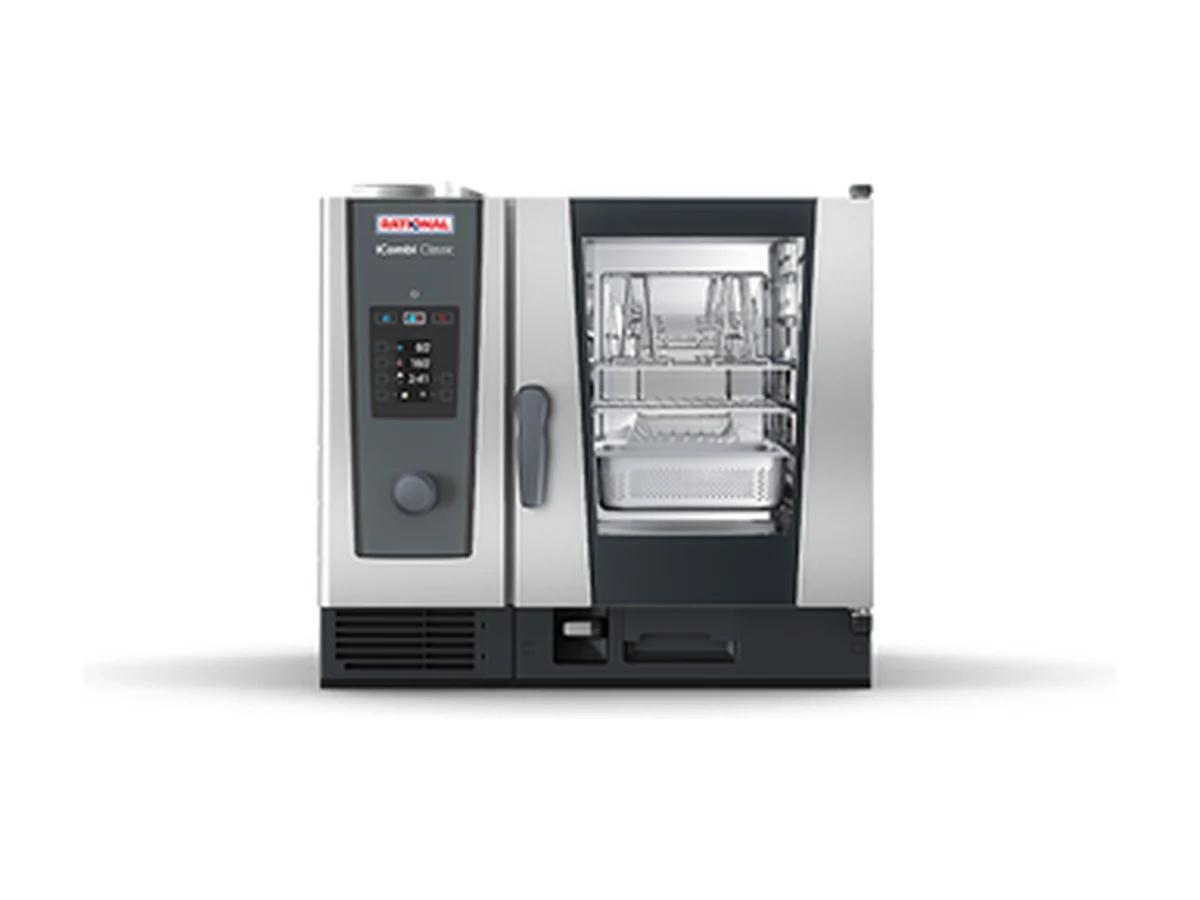
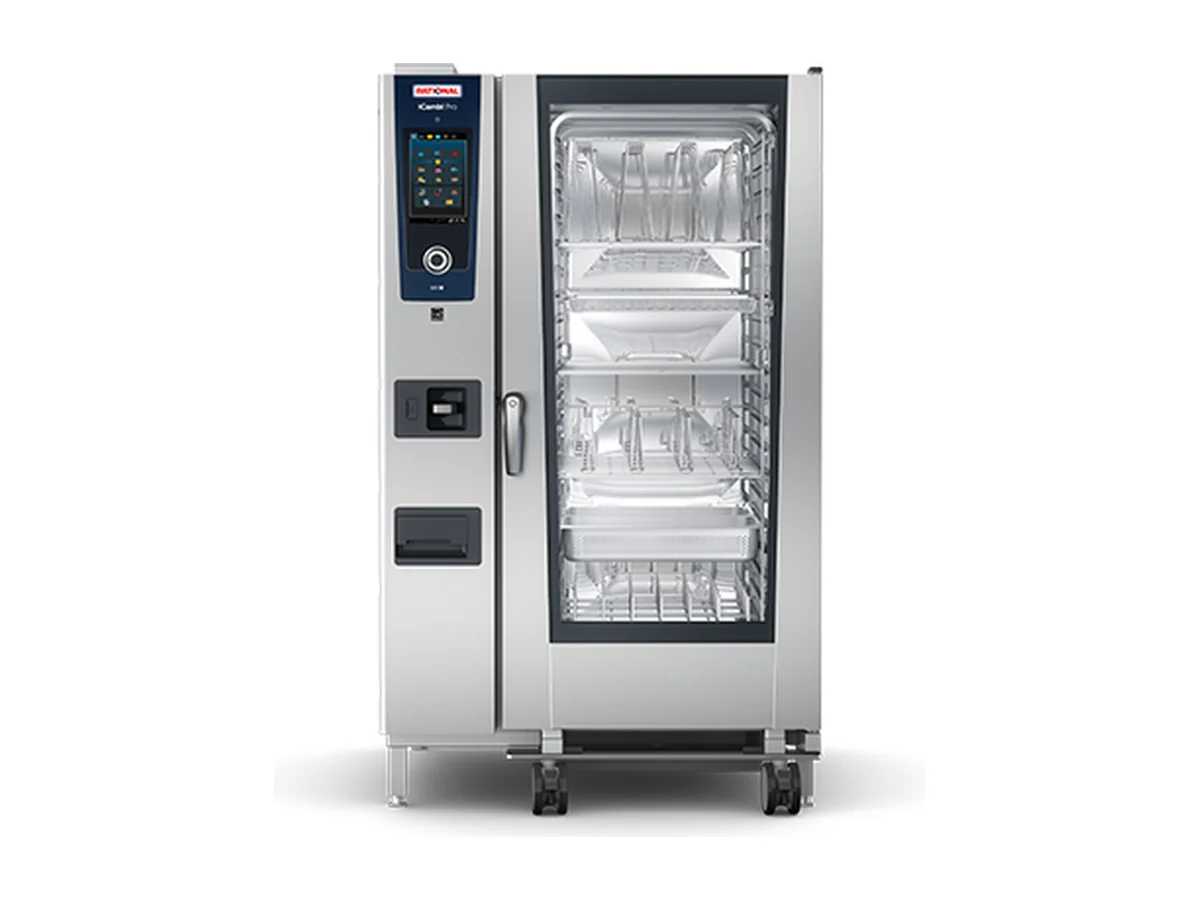
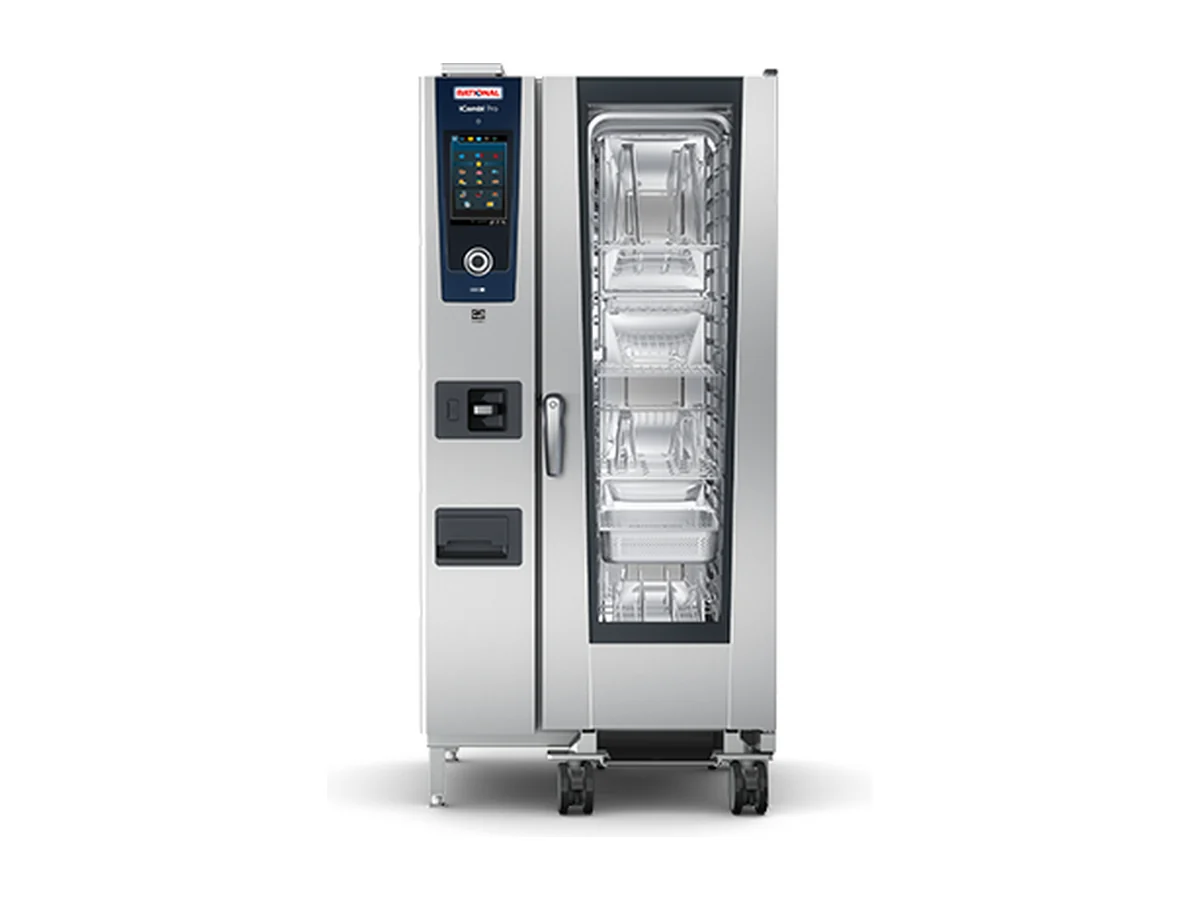
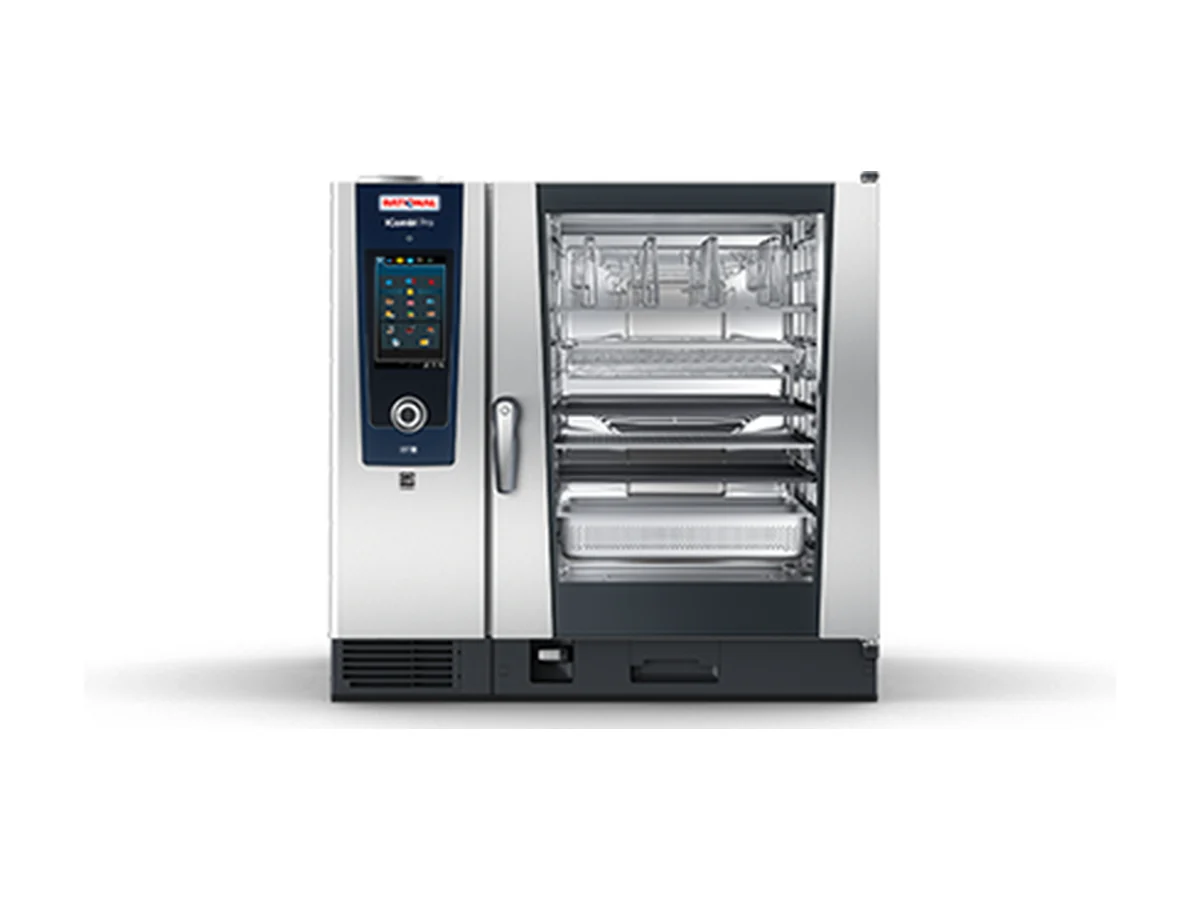
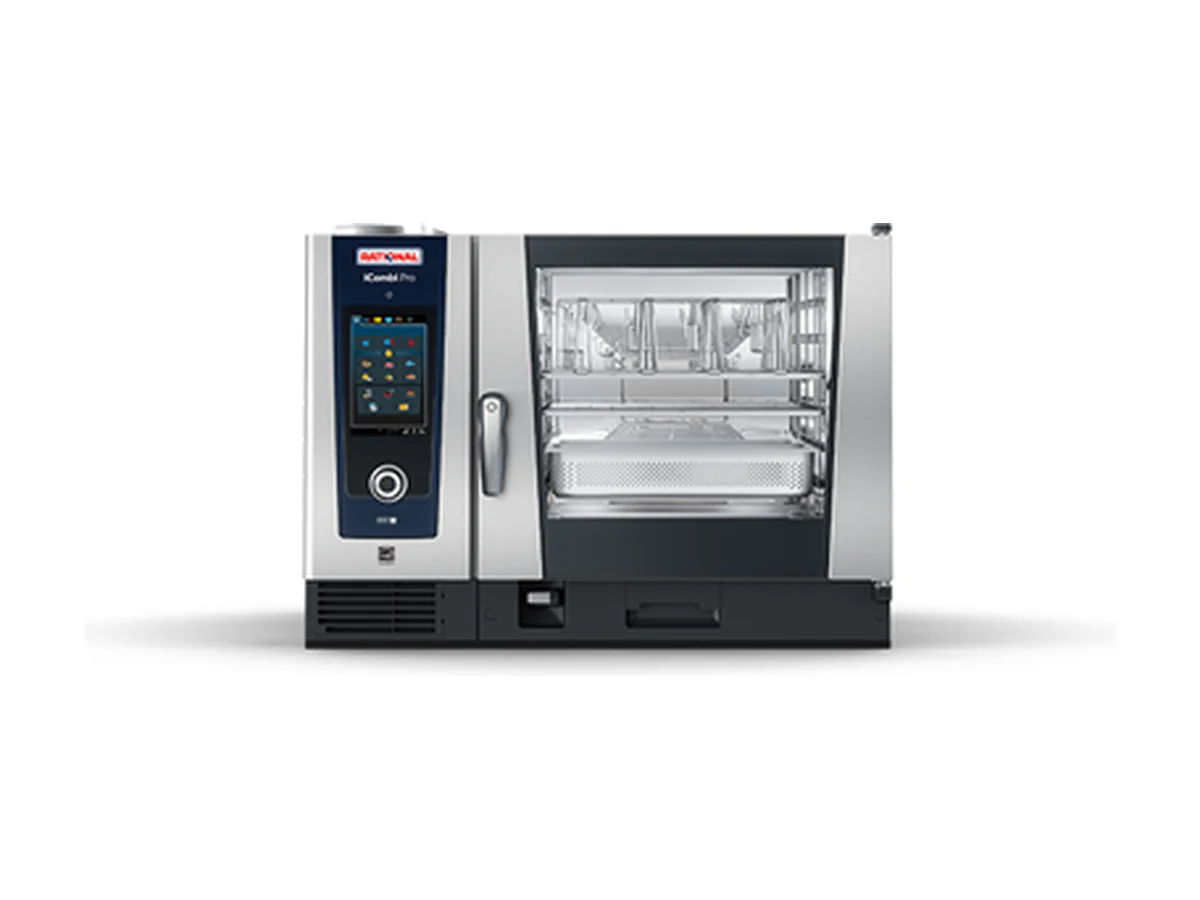
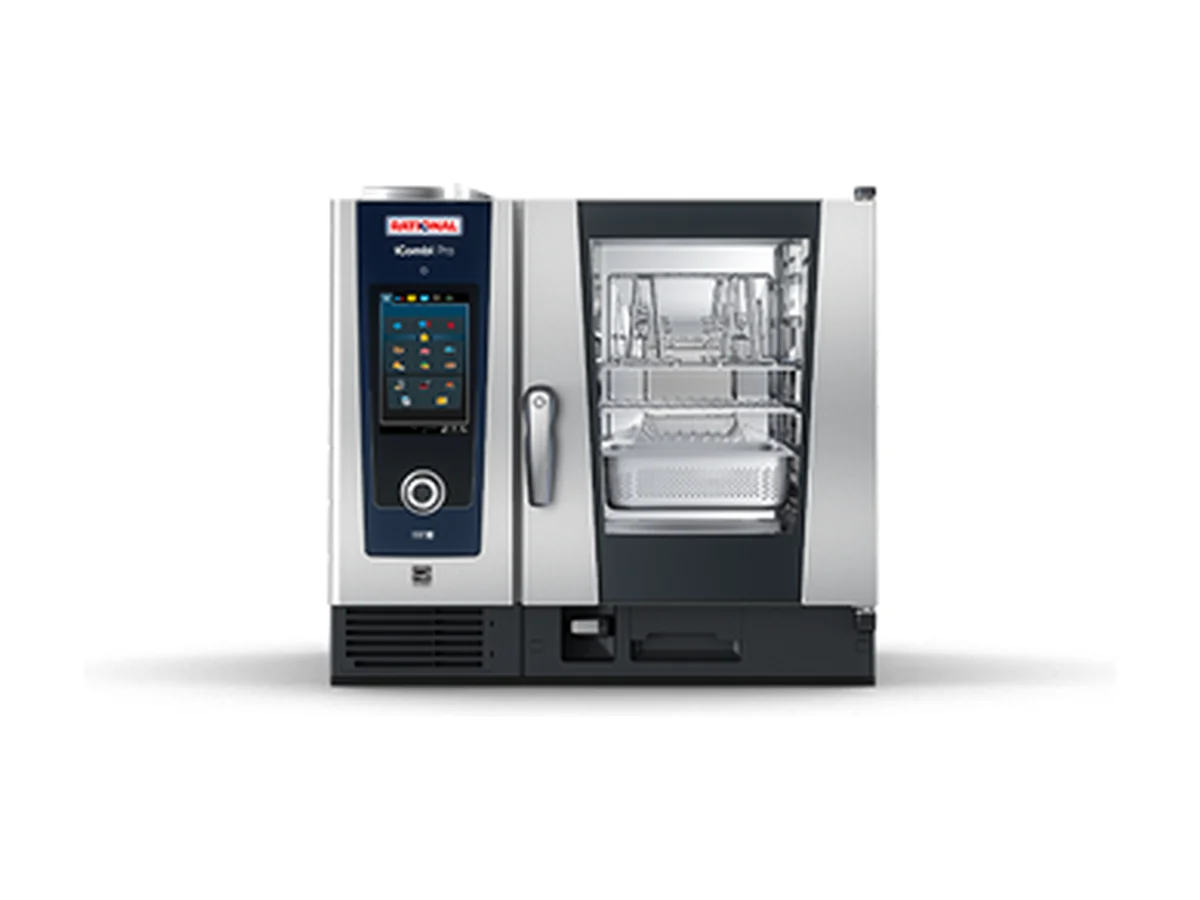
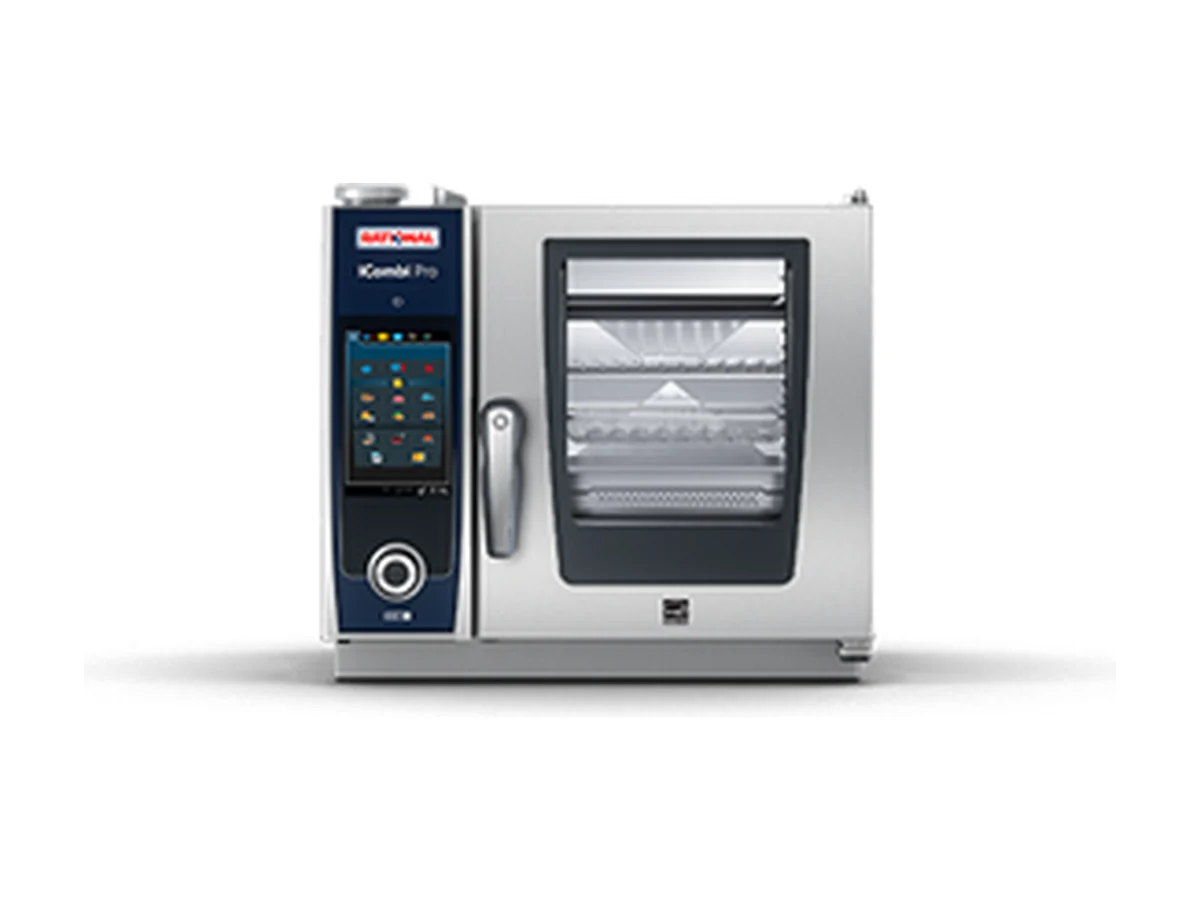
RATIONAL adds 17 models: iCombi Pro and iCombi Classic combi steamers plus iVario Pro and iVario multifunctional cooking systems. The RATIONAL range for ships and yachts sets out pan sizes and installation options.
Which appliance types dominate the list?
Combi ovens lead with 40 models, and the 14 combi steamers bring the steam-and-convection total to 54. Deep fat fryers are the second largest group at 32, which makes this a strong page for anyone pricing a 3 phase fryer for a crew galley. Boiling pans follow at 21; these are the heavy kettles that larger galleys use for soups, stocks and rice.
The flat cooking surfaces add depth: 15 fry tops, 12 grill tops, 9 solid top ranges, 6 electric griddle plates and 5 chargrills. For hob work there are 9 induction tops and 3 induction woks, 12 induction models in all, and 7 boiling top ranges with conventional plates. Smaller groups include 5 braising pans, 5 free-cooking tops, 3 pasta cookers and 2 bain-maries.
Widths run from 400 mm to 1600 mm, and 34 models are freestanding, 11 countertop and 11 wall mounted. That mix lets a galley line be built from matching modules rather than one large range.
When a three-phase cooking line is the wrong fit
This selection does not suit a boat whose galley runs from a single-phase shore connection, a small generator or an inverter. Only 12 of the 203 models carry a boat galley tag, and even those expect three live conductors. A smaller vessel looking for a boat cooktop or a compact hob should start with marine cooktops and hobs and check the phase line on each product.
The page is also broader than needed once the frequency is fixed. A ship on a 60 Hz plant will save time on the 60 Hz marine cooking shortlist, which removes the 50 Hz-only MKN modules. A buyer who wants the full cooking category, including any single-phase items, should browse all galley cooking equipment instead.
What to send for a three-phase galley quotation
Phase data is the first line of a useful enquiry. State the supply voltage measured between phases, the frequency, and whether the system distributes a neutral, since some appliances need 3N and many ship plants are three-wire. Then list the vessel type, the meals served per day, the length of galley wall available for a modular line, any steam or water connections for kettles and combi ovens, and the quantity of each appliance. Our team will check each model against the switchboard capacity you give us; the cooking equipment quotation request takes the information in one form.
How three-phase models sit across vessel types
All 203 models are tagged for marine, ship, yacht and commercial vessel galleys, and 168 for offshore galleys. That pattern follows the electrics. A motor yacht with a 400 V generator set and an offshore accommodation platform on 440 V both need three-phase cooking, whereas a day boat does not. The three-phase marine cooking equipment grid is therefore a working list for galleys with a proper power plant, sized for crews and guests fed every day.